Recently, the music world has lost some shining stars, leaving behind a void that reminds us of the amazing artists who shaped our musical landscape; their magic on the fretboard has influenced so many lives and defined entire eras. As the rhythm continues, let’s take a moment to honor the incredible lives and enduring legacies of iconic rock guitarists whose music still echoes in our hearts.
Among those we are saying goodbye to are Bernie Marsden, a cornerstone of British rock; Dwight Twilley, a key architect of the Tulsa Sound; and Wizz Jones, a folk icon reportedly admired by some of rock’s biggest names. Each brought a unique voice to the guitar, leaving behind a rich tapestry of recordings that continue to captivate listeners and remind us of the power of a well-played riff or a perfectly crafted song.
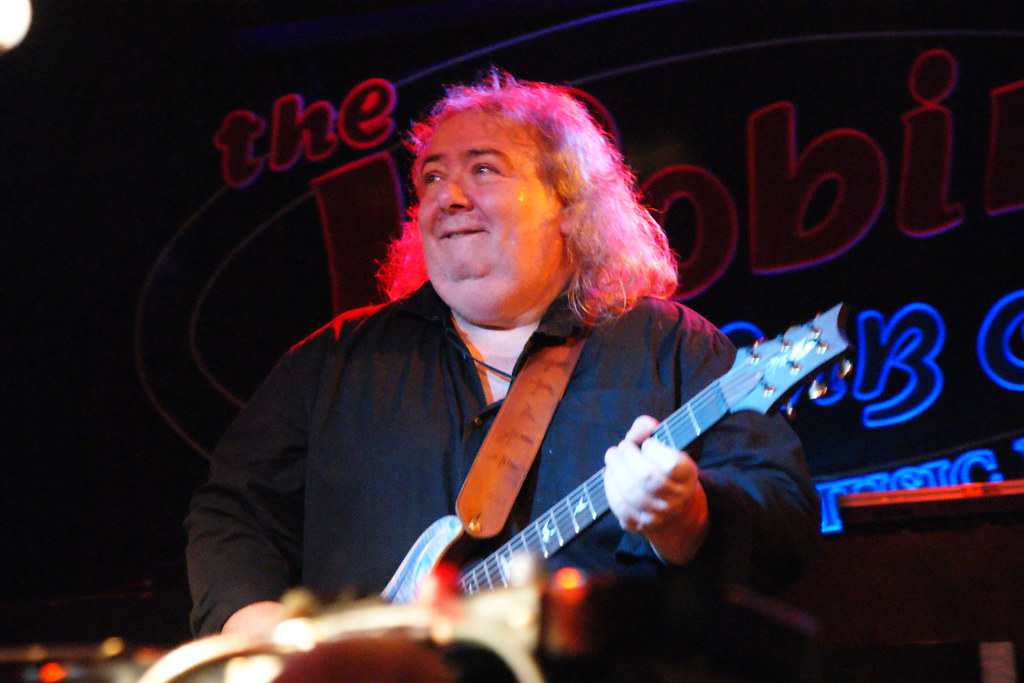
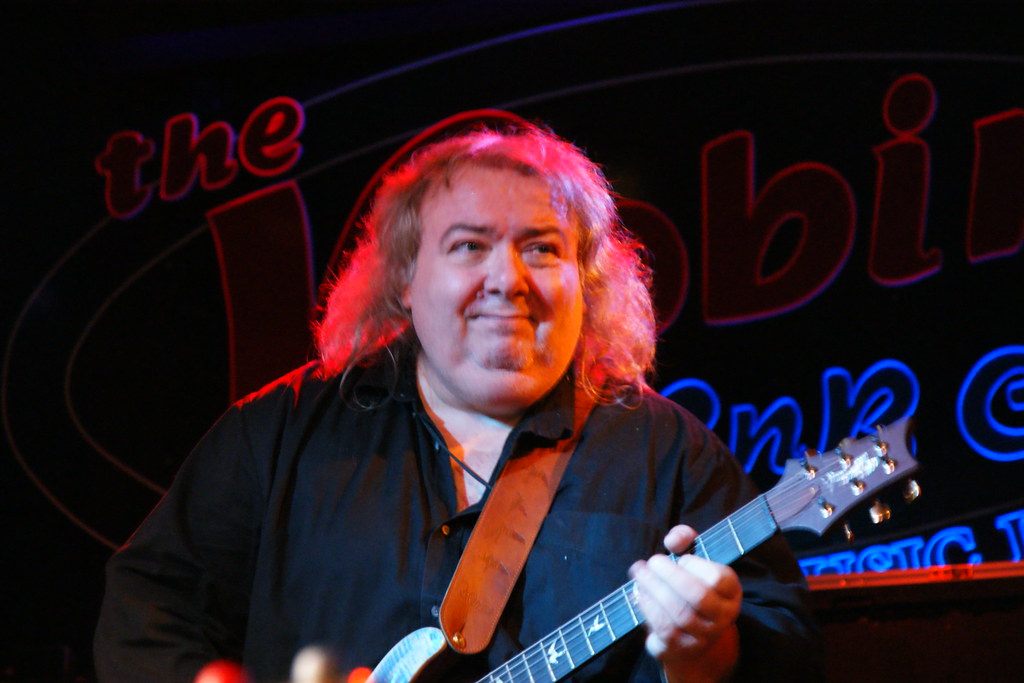
Let’s start by diving into the remarkable career of Bernie Marsden. Hailed as one of the greatest rock and blues guitarists of all time, Bernie was the original guitarist for the mighty British rock band Whitesnake. His family shared the sad news, confirming that Bernie died peacefully on a recent Thursday evening at the age of 72, surrounded by his wife, Fran, and their daughters, Charlotte and Olivia. The statement shared on his Instagram page beautifully noted that Bernie “never lost his passion for music, writing, and recording new songs until the end.” While the cause of his death was not revealed, his family’s poignant words paint a picture of a life lived fully dedicated to his craft.
Born in Buckingham, England, in 1951, Bernie’s journey in music began early. He became a professional musician in 1972, cutting his teeth with bands like UFO, where his following started to grow across Europe. He moved on to join Glenn Cornick’s Wild Turkey in 1973, touring the UK and Europe and making his first BBC recordings. This was just the beginning of a fascinating series of projects that saw him collaborate with some of the era’s notable musicians.
Legendary drummer Cozy Powell even “headhunted” Bernie for his new band, Hammer, which also featured Deep Purple’s Don Airey. Although Hammer was short-lived, it did produce a top ten hit for Mickie Most’s RAK Label and embarked on an infamous UK tour with Suzi Quatro. Following Hammer, Bernie joined Babe Ruth, contributing to two albums for Capitol Records, before Cozy Powell recommended him for the new Paice Ashton Lord group in 1977, featuring Deep Purple founding members Ian Paice and Jon Lord. That collaboration resulted in one classic recording, “Malice in Wonderland,” before Bernie’s path led him to his most significant undertaking.
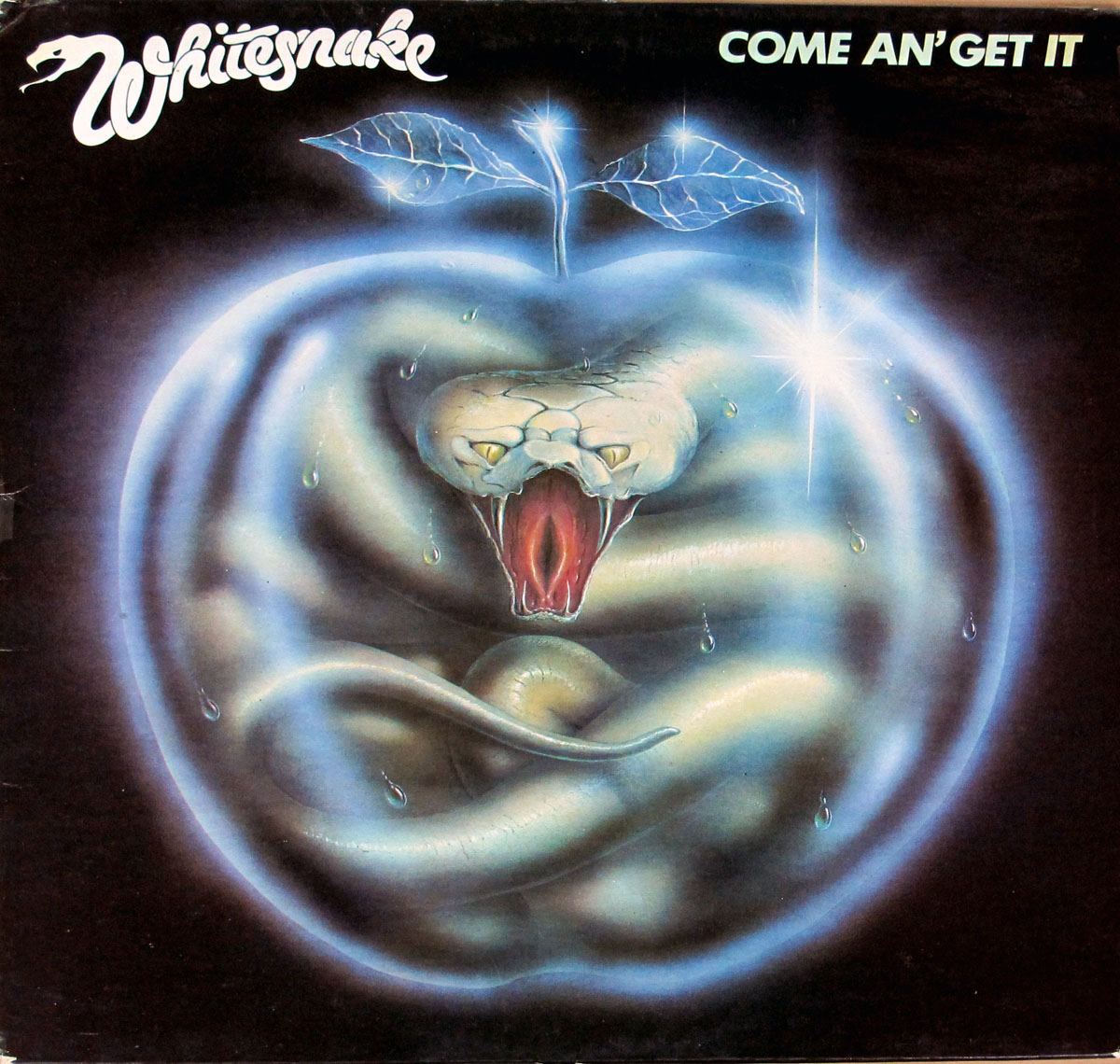
His career-defining moment arrived when he joined forces with David Coverdale to form Whitesnake. It’s fascinating to think that there was even a possibility of him playing with his “boy-time hero,” Paul McCartney, and Wings, but while waiting, he met Coverdale, and as is often said, the rest is history. Their collaboration laid the foundation for one of hard rock’s most enduring bands.
Bernie’s impact on Whitesnake was monumental, as he played on their first EP, ‘Snakebite’ (1978), and the first five studio albums, including classics like ‘Trouble’ (1978) and ‘Lovehunter’ (1979), as well as a live album, ‘Live In The Heart Of The City’ (1980), with his songwriting leaving an indelible mark on their sound. His creativity and talent were crucial in crafting the band’s identity during their rise to fame.
He was listed as a co-writer on some of Whitesnake’s most popular tracks, including the band’s biggest single, “Here I Go Again.” This song became a massive hit, topping the Billboard Hot 100 songs chart in October 1987 and spending an impressive 28 total weeks on the tally. He also co-wrote “Fool for Your Loving,” which reached No. 37 on the Hot 100 in 1989. These anthems remain staples of rock radio and testaments to Bernie’s knack for crafting memorable hooks.
While with Whitesnake, Bernie also found time for his own solo endeavors, releasing two albums: “And About Time Too,” which remarkably cracked the top ten in Japan, and “Look at Me Now.” He departed Whitesnake in 1981, but his legacy of songs from that era remained, and remains, in the forefront of his musical career. His departure marked the beginning of a new chapter, exploring different musical avenues.
After leaving Whitesnake, Bernie formed Alaska, releasing two albums in the 1980s. He also briefly joined MGM with Neil Murray and Mel Galley, a group that even included Toto vocalist Bobby Kimball. As the 1990s arrived, he remained active, contributing to various Whitesnake-based music projects like “Company of Snakes and M3,” which produced a couple of albums. Later, he became a dedicated solo artist, releasing several CD albums, including the critically acclaimed “Green and Blues” in 1996, followed by titles like “Big Boy Blue,” “Stacks,” and “Bernie Plays Rory.”

His connection to Whitesnake didn’t end in the 80s. At the Sweden Rock Festival in 2011, Bernie Marsden played with Whitesnake again for the first time since 1981. This made him the only original member of Whitesnake to play with a later lineup, a feat that has happened many times since that initial reunion in Sweden. These appearances were special treats for longtime fans who remembered his foundational contributions to the band’s sound.
Beyond the stage and studio, Bernie was involved in some truly unique projects. He had two unusual engagements in 2001 and 2003 at the National Theatre in London for Sir Nicholas Hytner. He also appeared in a 6-part television series for German TV titled “Frankie.” His influence extended to the gear he played, with two Bernie Marsden endorsed guitars appearing in 2015—a PRS Bernie Marsden Guitar and a very limited run of his iconic 1959 Gibson Les Paul Standard, universally known as “The Beast.” A limited edition of 300 of these Gibsons sold out quickly, and Bernie proudly owned Number 1. The original “The Beast” is now retired but makes appearances at selected concert halls, played by esteemed guitarists like Joe Bonamassa, Warren Haynes, and Jared Nicholls.
In the years that followed, Bernie partnered with Mascot Provogue Records in Holland, leading to the release of the album ‘Shine’ recorded at the iconic Abbey Road Studios in 2014, featuring special appearances by David Coverdale and Joe Bonamassa that showcased the high regard in which he was held. He also explored the film industry, producing a blues documentary titled ‘A Day in the Delta,’ filmed in Mississippi, expanding his artistic legacy.

Bernie shared his life story in his autobiography, “Where’s My Guitar: On the Tour bus with the Snakeman,” self-published in early 2017. The book was met with great acclaim from fans, covering his musical journey with humor and honesty and featuring many private, unseen pictures from his career. His extensive career saw him play alongside an astonishing list of legendary rock and roll musicians, including Robert Plant, Paul Weller, Jon Lord, Gary Moore, the Ringo Starr Band, Cozy Powell, Rory Gallagher, Jack Bruce, Warren Haynes, and Joe Bonamassa. It’s said that his stories and recollections of recording and playing live with Ginger Baker alone could fill another book. Bernie Marsden’s impact on rock and blues guitar is undeniable, and his vast body of work ensures his music will be celebrated for years to come.
Turning our attention across the Atlantic, we also recently lost a significant figure in the “Tulsa Sound,” singer-songwriter Dwight Twilley. Dwight died at the age of 72 on a Wednesday. The circumstances of his passing were particularly tragic; according to Tulsa World, Dwight was driving alone on October 14 when he suffered a stroke and crashed his vehicle into a tree. He passed away four days later. The news was confirmed by his wife, Jan, and shared on the Church Studio’s Facebook page, the very studio where he made some of his most memorable recordings.
The statement from his wife and the Church Studio spokesperson captured the depth of the loss, saying, “The loss is immeasurable, and our words can’t capture the depth of our grief.” They beautifully acknowledged his impact, stating, “Dwight’s musical prowess touched countless lives, leaving an indelible mark on the hearts of many. We are profoundly thankful for the enduring musical legacy he has bestowed upon us all.” This sentiment perfectly encapsulates the feeling many fans have for his unique contributions.
Dwight was born and raised in Tulsa, Oklahoma, deeply rooted in the musical scene that would become known for its unique blend of rock, blues, and country influences. He began writing songs with fellow singer-songwriter Phil Seymour in 1967, forging a creative partnership that would lead them to the bright lights of the music industry. Their journey took them from being turned away at Memphis’ iconic Sun Records to heading to Los Angeles, where they found a home with Shelter Records, a label co-owned by the Tulsa music legend Leon Russell.
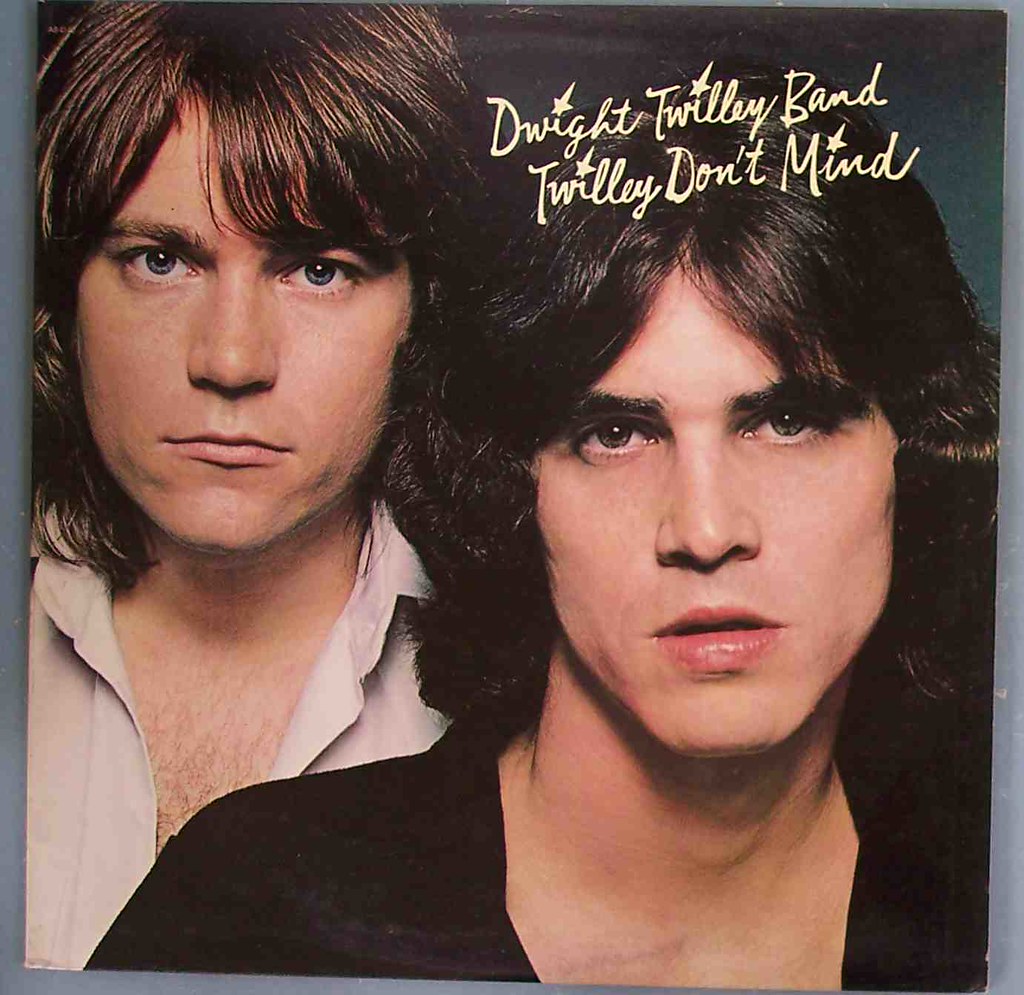
Operating as the Dwight Twilley Band, they frequently worked in Tulsa at Russell’s Church Studio, soaking in the vibrant atmosphere and rubbing shoulders with other rising stars, including Tom Petty and the Heartbreakers. It’s a testament to the studio’s importance and the talent it attracted that many other high-profile acts, such as Willie Nelson, Eric Clapton, J.J. Cale, and Bonnie Raitt, also recorded there over the years.
The debut single ‘I’m on Fire’ was an instant hit, reaching No. 16 on the Billboard chart in 1975 and becoming a timeless classic known for its infectious rhythm and memorable melody. After Shelter Records closed its doors, Phil Seymour left the band, but Dwight remained committed to his musical path as a solo artist, demonstrating his unwavering dedication and resilience in the industry.
He landed another hit in 1984 with the song “Girls,” which featured a vocal assist from his friend Tom Petty, showcasing the camaraderie within that musical community. Dwight released several solo albums throughout his career, continuing to explore his distinctive blend of power pop and rock until his death. His perspective on his career was both humble and insightful.
In an interview with Americana UK earlier this year, Dwight reflected on his early success with characteristic honesty. He mused, “I was just a damn genius when I was young, and I just got stupider and stupider each year afterwards.” Yet, he also spoke with genuine enthusiasm about the journey, describing it as “an adventure, you know, a kind of amazing adventure.” He fondly recalled the early days, saying, “You are a kid, and all the other musicians in the world are trying to make a record, a little disc with their name on it and their picture on the sleeve and things like that, and trying to get on the radio, and we were able to accomplish that.
In the same interview, Dwight expressed his ongoing passion for creating new music, emphasizing his excitement with, ‘We are still recording, and we are on the edge of starting another album very soon, and it will just be another one. We’ll spit it out and see how it hits the floor.’ His optimistic outlook reflects his appreciation for the life he has lived through music, culminating in the heartfelt sentiment: ‘I can’t complain about my life and the way my life has gone. It has been pretty enjoyable.’ His contributions to the Tulsa Sound and beyond have undoubtedly brought joy to many.
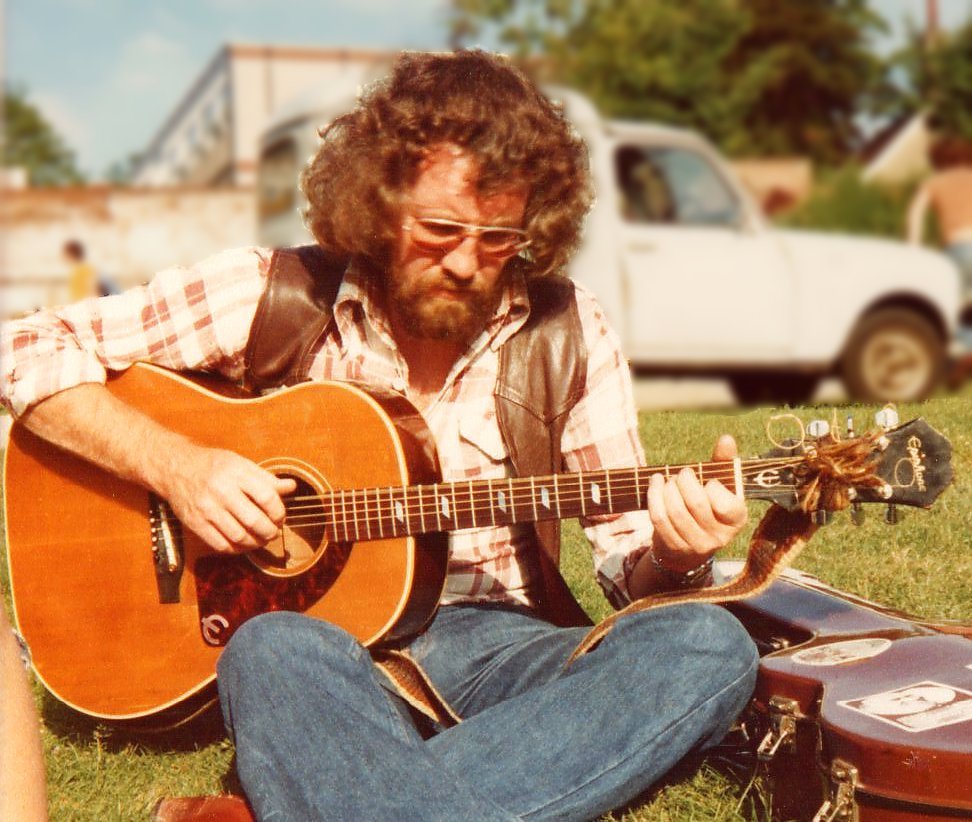
Adding to the recent wave of loss, the music world also bid farewell to Wizz Jones, an artist held in incredibly high esteem, reportedly a guitar hero to none other than Keith Richards, Eric Clapton, and Rod Stewart. Regarded as an English folk music icon, Wizz passed away on April 27th, according to a touching post on his social media accounts from his son, Simeon.
Simeon’s message conveyed the deep sadness felt by his family, writing, “With an extremely heavy heart, I’m letting you all know that my beloved father, the great Wizz Jones, passed away early this morning, two days after his 86th birthday.” He emphasized the profound void left by his father’s passing, stating it “has left a huge hole in the lives of our family and has robbed the music world of one of its precious treasures.”
The post mentioned that Wizz’s health had “declined rapidly this year,” and Simeon extended thanks to Trinity Hospice for making his last few days as comfortable as possible. In a poignant detail, Simeon shared his father’s closing words from his last gig, which occurred earlier this year on February 28th. These words offer a direct glimpse into Wizz’s character and connection with his audience: “Thanks to all the people—all over the world, in fact— hat heard my songs and my guitar playing and came to my gigs for all those years. Thank you very much.”
Simeon shared a song from that final performance, noting that Wizz had been concerned about disappointing the audience with his weakened singing voice but was even more worried about letting them down by not showing up. Simeon added, “Spoiler alert—it’s a bit of a tear-jerker,” hinting at the emotional power of that final shared moment through music. He expressed hope that his father’s “wonderful music will live on and continue to make the world a richer place” and thanked fans for the love they had shown Wizz over the years.
Guitar World also celebrated Wizz Jones’s significant impact on legendary musicians, with Wizz sharing intriguing stories about these connections, including Eric Clapton’s visits to see him perform at a small club in Croydon. He humorously addressed a colorful tale from Keith Richards, who claimed Wizz taught him guitar in the toilets at art college, which Wizz playfully dismissed as a ‘complete fabrication,’ offering a glimpse into the playful folklore that often surrounds influential artists.
Across his extensive career, Wizz Jones released more than 20 albums, a significant body of work that showcases his mastery of the guitar and his contribution to the folk music landscape. His influence, though perhaps less widely known to the general public than some of his famous admirers, was clearly deeply felt within the musical community. His passing marks the departure of a true craftsman whose dedication to his art left an undeniable mark.

The departures of Bernie Marsden, Dwight Twilley, and Wizz Jones serve as powerful reminders of the finite nature of life but also the infinite reach of music. Each of these guitarists, in their own distinct ways, contributed profoundly to the soundtrack of our lives and the history of rock and folk music. Whether it was Bernie’s iconic riffs with Whitesnake, Dwight’s infectious power pop, or Wizz’s influential folk stylings, their passion poured through their instruments and into the hearts of listeners worldwide.
Their stories are filled with dedication, collaboration, adventure, and the relentless pursuit of creating sounds that matter. They navigated the music industry, faced challenges, celebrated successes, and always returned to the core of their being: making music. The quotes from Dwight about his “amazing adventure” and his simple joy in his life, or Wizz’s touching final words thanking his audience, speak volumes about the spirit that drove them.
Though they may have strummed their last chords on this earthly stage, the echoes of their playing linger. Their records spin, their songs are covered, and new musicians pick up guitars inspired by the very sounds these men helped to pioneer. It’s a beautiful, ongoing conversation across time, a testament to the power of music to connect us, even across the veil of loss. So, let’s turn up their tunes, remember the remarkable talents we’ve lost, and feel grateful for the enduring gift of their musical legacies, which continue to make the world a richer, more vibrant place.