At first glance, letting a car sit idle might seem harmless, as it reduces wear and tear, but in reality, it can lead to a shocking array of unforeseen problems that many drivers often overlook, ranging from minor annoyances to costly repairs.

1. **Dead Battery**: One of the most common issues faced when a car sits unused is a dead battery. The battery slowly discharges over time due to residual drains from systems like alarms or the clock, without the recharging benefit of the alternator. Before you know it, your car refuses to start, leaving you stuck with either needing a jump start or a full battery replacement.

2. **Tyre Flat Spots**: It’s not just the engine that suffers from inactivity. The tyres take a beating too. When a car remains stationary, the weight of the vehicle causes the tyres to develop flat spots, particularly when left in cold temperatures. This can lead to discomfort while driving and uneven tyre wear, which might necessitate early replacement.

3. **Fluid Degradation**: The various fluids within your vehicle, such as engine oil, coolant, and brake fluid, can degrade over time due to exposure to heat, moisture, and contaminants. This degradation reduces their effectiveness, increasing the risk of mechanical damage when the car is operational again.

4. **Fuel System Issues**: When petrol sits in the tank for too long, it can form harmful varnish and deposits, which may clog fuel injectors and filters, ultimately causing ignition problems and hampering engine performance when you finally decide to hit the road again.

5. **Brake Problems**: When a car is parked with the handbrake engaged for long periods, the brake pads can stick to the rotors, especially in humid conditions. This can reduce braking efficiency and potentially lead to complete brake failure, posing a significant safety risk.

6. **Corrosion and Rust**: When left idle, moisture can easily accumulate on the vehicle’s metal surfaces, leading to rust. This corrosion not only affects the car’s aesthetic appearance but also its structural integrity and exhaust system functionality.

7. **Electrical System Issues**: Electrical components within the car, such as wiring and connectors, can degrade over time. Oxidation may occur, leading to poor conductivity and malfunctioning of critical systems like lights and sensors.

8. **Seized Parts**: Components like door hinges and suspension parts can become stiff and unmovable due to a lack of movement and lubrication, which poses a serious risk, especially if the stiffness affects critical components involved in steering and braking, making safety a major concern.

9. **Interior Damage**: If parked in direct sunlight or subjected to fluctuating temperatures, the car’s interior can suffer damage. Upholstery and dashboard plastics may crack or warp, reducing the vehicle’s comfort and appearance.

10. **Rodent Damage**: Rodents can be attracted to inactive cars, especially if stored in a garage. They chew through wiring and insulation, causing damage to the car’s electrical system and leaving unpleasant odors.

Understanding the unexpected consequences of allowing your car to remain idle is the first step; however, it’s equally important to explore practical solutions that can mitigate these issues. From battling dead batteries to preventing rodent infestations, taking proactive measures can keep your car in top-notch condition no matter how long it’s been parked. Are you ready to keep your vehicle healthy and functional? Let’s dive into some effective strategies.
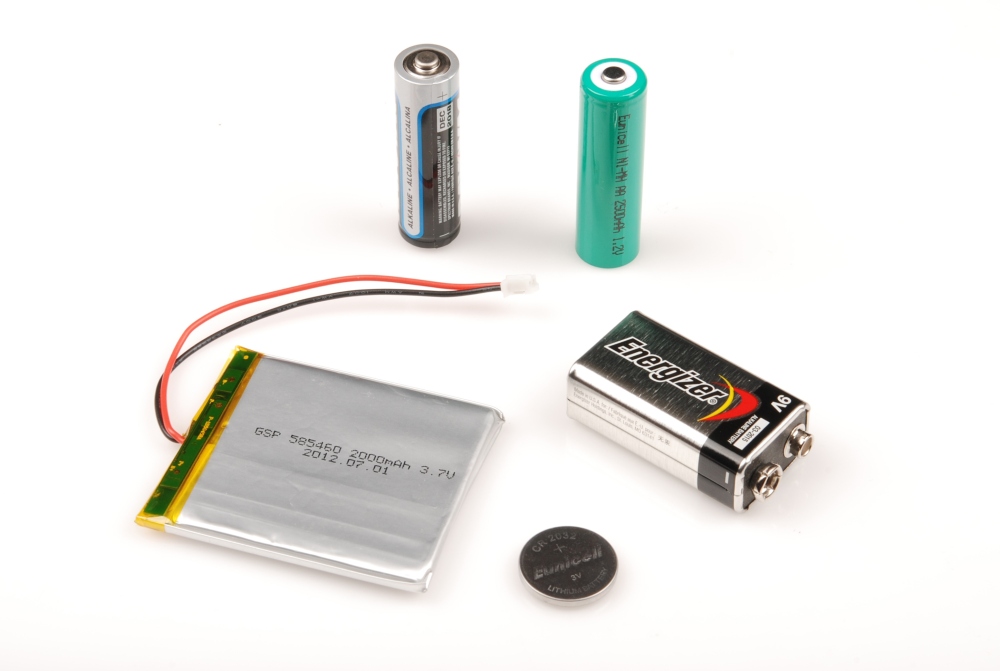
11. **Regular Battery Maintenance**: Don’t let a dead battery catch you by surprise. Investing in a battery maintainer or trickle charger can be a lifesaver. These devices help keep your battery charged when your car sits idle for extended periods. By delivering a low continuous charge, they prevent the battery from losing power and extend its life.

12. **Proper Tire Management**: Flat spots can make your ride rough and noisy. To counteract this, ensure your tires are inflated to the recommended pressure levels. If possible, move your car slightly every few weeks. This action helps redistribute weight and prevents flat spots from developing, keeping your tires ready for the road.

13. **Engage in Routine Inspections**: Conducting regular inspections can help you identify and resolve potential issues early on, allowing you to catch leaks, corrosion, or wear and tear before they escalate, ensuring your vehicle remains in great condition and roadworthy.

14. **Ensure Proper Lubrication**: It’s vital to monitor the levels of fluids in your car—like oil and coolant—while it’s idling, as maintaining these at optimal levels can prevent significant mechanical damage when you finally take your car for a spin again. This simple routine can save you from expensive repairs down the line.

15. **Maintain a Rodent-Free Environment**: Dealing with rodent damage can be a nightmare for car owners, so keeping the interior clean and free from food sources, as well as utilizing repellents, can effectively protect your car’s wiring and insulation while also preventing unpleasant odors and potential health risks.

16. **Optimal Parking Conditions**: Protecting your vehicle from environmental harm is crucial, and parking indoors can significantly reduce exposure to extreme temperatures, harsh sunlight, and moisture that can cause paint to fade and rust. If indoor parking isn’t feasible, investing in a high-quality car cover is a wise alternative.

18. **Regular Engine Run**: To maintain the car’s condition, try starting it every few weeks for about 10 minutes; this simple action keeps the engine and fluids in good shape, ensures the battery stays charged, and allows the alternator to function effectively, making it easier to avoid issues when you’re ready to drive again.

Ultimately, the key to preventing the negative effects of an idle car lies in regular maintenance and being proactive. These practical strategies not only safeguard your vehicle from damage but also ensure it’s always ready for the road when you are. Whether it’s by regularly running the engine or ensuring optimal parking conditions, these steps are essential for prolonging your car’s life and performance. So why delay? Start implementing these measures today to keep your car in pristine condition, prepared for any journeys ahead.
Related posts:
Is Letting Your Car Idle Really That Bad?
Effects and Preventing Any Issues
What Is Idling And How Can It Impact Your Business?