In a society where how we look often overshadows who we are, body shaming has insidiously infiltrated our daily lives—from playgrounds to social media, and even within doctor’s offices. The heart-wrenching story of an 8-year-old girl, who faced ridicule for her weight from peers, teachers, and even a physician, highlights a disturbing truth: we live in a culture that is all too ready to judge bodies that deviate from narrow beauty ideals. Kara Waite, the child’s advocate, strikingly remarked, “Somewhere, there’s a little girl being made to feel bad about her body, and that’s bad”—a sentiment that resonates far beyond childhood, revealing the lasting emotional scars inflicted by such cruelty.
This isn’t just about hurtful words; it’s about a systemic failure to value human worth beyond physical appearance. Studies show fat shaming rarely encourages healthy habits, instead triggering disordered eating, body dysmorphia, and even depression. The damage is clear: when we shame bodies, we don’t fix “problems”—we break spirits.

The Harm of Body Shaming: A Child’s Heartbreaking Experience
Body-shamers, the text reminds us, seem to know no limits. It’s not just public figures who face relentless scrutiny; it happens to everyday people, even young children, highlighting a disturbing readiness in some to critique others’ bodies.
Consider the heartbreaking story of an eight-year-old girl, shared by Kara Waite, a senior instructional designer at Berklee College of Music. This child was being actively body-shamed at school by other children, but, tragically, even her doctor and teacher were making cruel comments about her weight directly in front of her.
Read more about: Hair Growth Vitamins: What Science and Experts Really Say

Kara’s Positive Approach: Building Self-Worth Beyond Appearance
Kara took to Facebook to share her thoughts on this heartbreaking story, posting an uplifting message in response to the situation. While she recognized that “childhood obesity is a big problem,” she aptly noted the deep emotional damage being caused, emphasizing that “somewhere, there’s a little girl being made to feel bad about her body, and that’s bad,” inviting us to reflect on the impact of our words.
She pondered the potential long-term consequences of such constant negativity. Kara envisioned years of struggle, asking, “And what will any of this accomplish? I’ll tell you what might happen because I know: years of yo-yo dieting, disordered eating, body dysmorphia, and, very likely, a metabolism damaged beyond all recognition such that her body holds onto every calorie.”
She painted a vivid picture of the potential turmoil: “A constant cycle of restricting and permitting. An obsession with food, thighs, cellulite, rolls, curves, lard, blah blah blah. Insecurity. Turmoil. A waste of time, money, energy, and happiness.
So, what was Kara’s antidote to this barrage of negativity? Her advice to her friend was described as “the most downright, damn right advice we have heard.” It was a positive, fun-filled list focused on building self-worth and happiness that wasn’t tied to weight.

She suggested actionable, joyful things: “Take her outside. Plant a garden. Play in the snow. Play tag. Get a slip and slide and swing set and a hoolah hoop. Buy her a purple bike with bright yellow streamers. Teach her to play an instrument and dance like a crazy person.”
Kara continued with more ideas focused on creativity, learning, and meaningful connection: “Buy her art supplies and show her all of the bodies that artists have celebrated throughout history. Feed her good stuff, but have conversations with her while she eats it. Say things that aren’t about food. Read great books. Teach her to sew or sing or make balloon animals. Go back outside.”
Crucially, Kara emphasized the importance of affirming the child’s intrinsic value beyond appearance. She advised, “Tell her she is beautiful, but say it half as much as you say that she is kind and generous and hysterically funny and at the top of your list of favorite people.
Read more about: Opening Up the World: Why the Right Binoculars Unlock Amazing Family Adventures
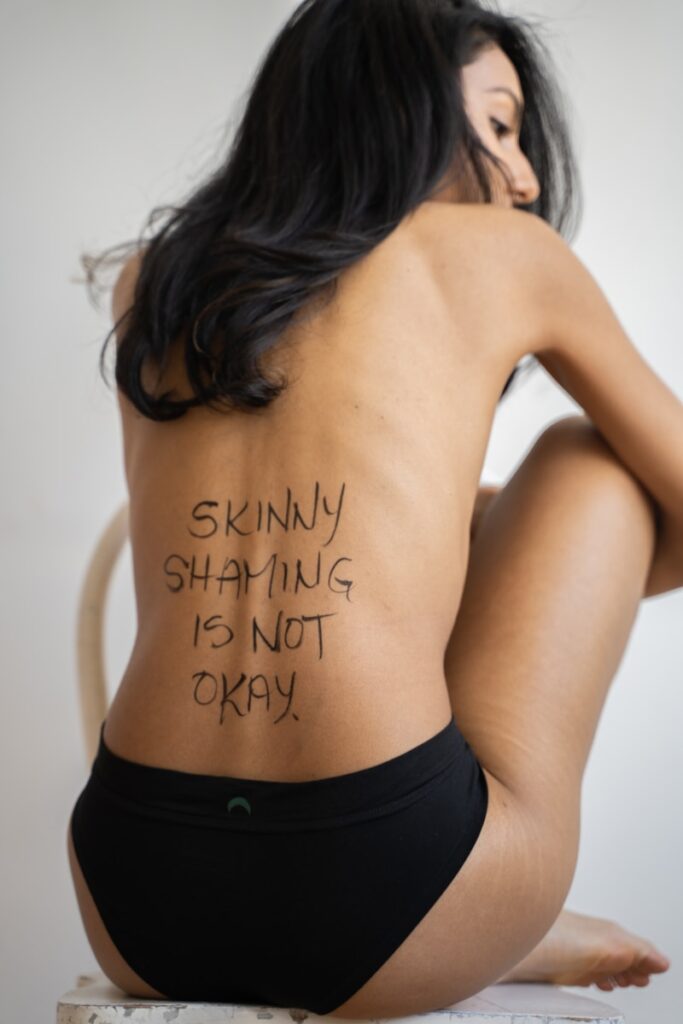
Her final, yet powerful directive was beautifully simple: “Love her exactly as she is. Accept her exactly as she is. Like her, too, and let her know it.” This holistic and affirming approach stands in stark contrast to the harm inflicted by body shaming, reminding us of the importance of support and acceptance.
Body shaming itself is described as targeting people with pressure to conform to mainstream beauty ideals. When they don’t, they face discrimination and are often associated with false stereotypes like being lazy, unintelligent, or weak-willed. The text makes it clear that this doesn’t have to be, and shouldn’t be, the case.
Studies mentioned in the context highlight that not only does fat shaming fail to achieve its purported goal, but it often has the opposite effect, leading to negative physical and mental health outcomes, triggering disordered eating, or even depression.
Read more about: When Inheritance Money Becomes a Battleground: One Woman’s Story of Standing Her Ground at the Dinner Table
Celebrities Fighting Back: Bold Responses to Body-Shaming
Fortunately, a growing movement of individuals is bravely challenging these judgmental attitudes. The article shares inspiring examples of people who have courageously pushed back against the unwarranted criticism of their bodies, showcasing the strength of self-acceptance in the face of adversity.
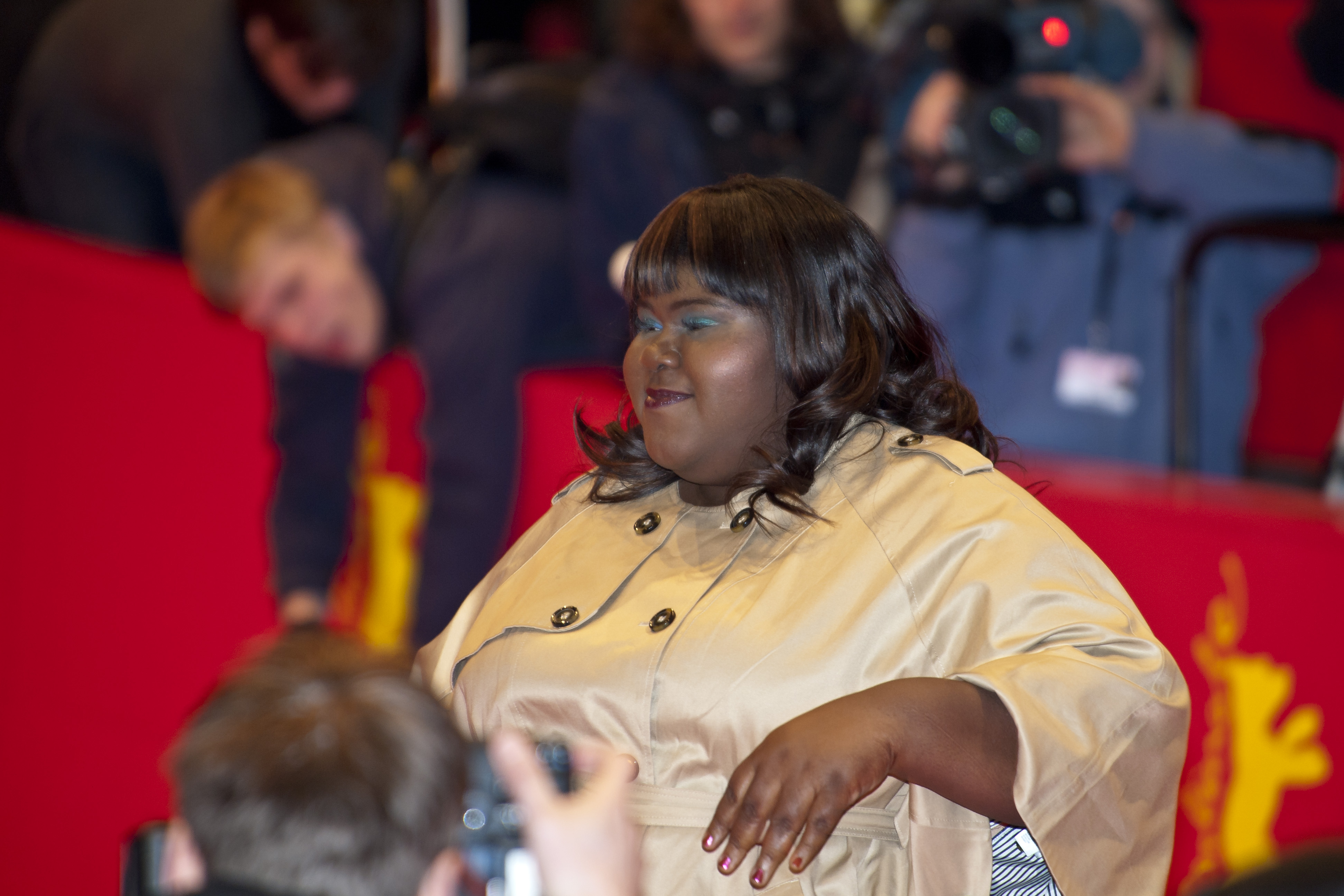
Take Gabourey Sidibe, the talented actress who earned an Academy Award nomination; she faced backlash regarding her body size after making a stunning appearance on the red carpet at the 2014 Golden Globes. Her response was not only swift but also monumental, as she took to Twitter the very next day to address the negativity with grace.
Sam Smith, who went on to win multiple Grammy Awards, experienced harsh criticism from a radio personality who referred to him as a “fat ugly bully target” and “effeminate.” Yet, in a moment of triumph while accepting the Grammy for best pop vocal album, Smith chose to promote a message of self-love and acceptance, encouraging others to foster a positive relationship with their bodies, which ultimately fueled his authenticity in music.
Read more about: The Activewear Revolution: How Comfort Shattered Gender Norms

Kelly Clarkson, after having a baby and promoting a new album in the U.K., became a target of a notorious British media personality who tweeted cruel remarks about her appearance, asking, “Jesus, what happened to Kelly Clarkson? Did she eat all of her backing singers? Happily I have wide-screen.”
The “Stronger” singer had the final word, telling Heat magazine, “I’ve just never cared what people think. It’s more if I’m happy and I’m confident and feeling good, that’s always been my thing.” She added that this perspective was even stronger now that she had a family, and she didn’t “seek out any other acceptance.
Tyra Banks delivered one of the most memorable moments on her talk show when addressing criticism over photos of her in a swimsuit at the beach that highlighted her weight fluctuation. Beauty magazines and tabloids had taken her to task for it.

Banks famously addressed her critics and anyone who judges women’s bodies, saying, “To all of you that have something nasty to say about me, or other women that are built like me… I have one thing to say to you. Kiss my fat ass!” It was a bold, unapologetic reclaiming of her own body.
When Texas Rangers first baseman Prince Fielder posed nude for ESPN The Magazine’s 2014 Body Issue, the internet erupted with mockery and jokes questioning the athleticism of someone with his physique. Nevertheless, Fielder remained unfazed; he had heard similar criticisms before and chose to stand confidently in his own skin.
He addressed the naysayers directly in his interview, stating, “A lot of people think I’m not athletic, or whatever, but I do. Just because you’re big doesn’t mean you can’t be an athlete.” He clarified his focus: “I work out to make sure I can do my job to the best of my ability. Other than that, I’m not going up there trying to be a fitness model.
The internet’s response to the shaming of the so-called “Dancing Man” serves as another compelling example of community solidarity. After a troll on 4chan bragged about body-shaming a man into ceasing his joyful dancing, writer Cassandra Fairbanks and others quickly rallied to support him, showcasing the power of unity in combating negativity.

Community Solidarity: From #DancingMan to #PoliceAreHumanToo
Using hashtags like #DancingMan and #FindDancingMan, they launched a social media effort to locate the man and organize a dance party for him to celebrate his moves free from judgment. Their efforts were successful, drawing support even from musicians like Pharrell Williams, Moby, and Ellie Goulding.
Alyssa Milano, the former star of *Who’s The Boss?* and *Charmed*, was subjected to fat-shaming jokes from a comedian about her post-baby body in December 2013 after a public appearance. The comedian made crude remarks about her weight gain.
Alyssa Milano also responded thoughtfully on Twitter to address body-shaming comments, articulating her disappointment which ultimately led to an apology from the comedian who made the remarks. She later expanded her message, advocating against fat-shaming jokes, especially those targeting women post-childbirth, further highlighting the importance of compassion.

Mindy Kaling has consistently pushed back against backhanded compliments and comments about her body and how she dresses. In a 2014 interview, she challenged the idea that it was somehow “courageous” for her to wear certain clothes or simply live her life as an average-sized woman.
Kristen Bell, known for *House of Lies* and *Frozen*, also dealt with being bashed for gaining weight during pregnancy, a common and frustrating experience for many women. In a 2013 interview with Redbook, she made it clear she had stopped worrying about her weight and appearance, focusing instead on more important things.
British comedian Sarah Millican faced similar criticism after walking the red carpet at the 2013 BAFTA Awards. Comments online dismissed her appearance as “disastrous,” calling her fat and ugly, focusing solely on her looks rather than her achievements.

She penned an essay for Radio Times, highlighting the absurdity of this focus. “Why does it matter so much what I was wearing? … I felt wonderful in that dress,” she wrote, making the essential point: “And surely that’s all that counts.
These numerous examples, from a police officer grabbing a necessary meal on a grueling shift to public figures and everyday individuals facing body-shaming, all underscore a critical point. People are too often quick to judge others based on superficial observations, failing to consider the full picture of their circumstances, efforts, or inner worth.
PC Owen’s simple, powerful hashtag, #policearehumantoo, encapsulates this need for empathy and understanding. He wasn’t asking for special treatment, just the basic recognition that he, like everyone else, has needs and a life that extends beyond the brief moment someone observes him.
At the heart of these stories lies a vital lesson: we must look beyond superficial appearances and resist the instinct to judge. Every individual deserves to be seen and treated with kindness and understanding, not subjected to critical gazes or harsh words based on a fleeting impression.
Related posts:
Police officer shamed by stranger for buying Burger King on duty has perfect reply
One woman’s perfect response to people who body-shamed an eight-year-old girl
10 Celebrities Who Had the Perfect Response to Fat Shaming