


Many individuals find comfort in having structure and meaning, whether it’s organizing their day or choosing the ideal bouquet of flowers; these personal touches often bring a delightful sense of fulfillment. Each month is uniquely tied to two specific flowers, creating a fascinating bond to your birth month that goes beyond the usual gemstones.
These flowers are not chosen arbitrarily; they typically bloom during their respective months, reflecting the season in which you were born. Understanding the symbolism behind your birth flowers provides a meaningful way to personalize your environment and inspire thoughtful gift choices.
This article explores the significance of birth flowers, their origins, and practical suggestions for incorporating their unique charm into daily life. Beginning in the vibrant heart of summer, we will journey through the entire calendar year, unveiling the stories and meanings behind these special blooms.
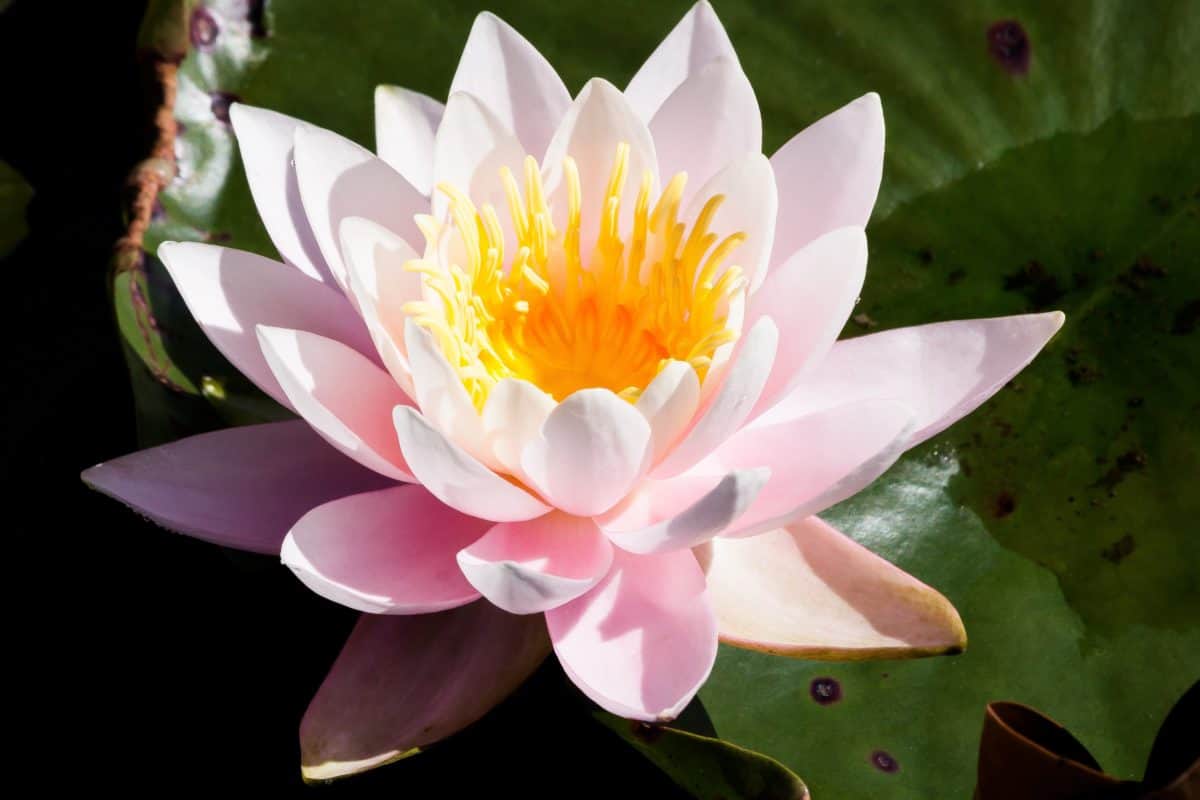
1. **July: Larkspur and Water Lily**: July’s traditional birth flowers are the vibrant larkspur and the elegant water lily, each bringing distinct beauty and cultural significance to the midsummer month. While larkspur often blankets northern hemisphere landscapes with vivid color, water lilies grace ponds and still waters with serene charm. Together, these blooms enrich July beyond its long, sunny days.
Larkspur, or delphinium, encompasses over 300 species. Its name derives from the flower’s resemblance to the claws of a meadowlark, and its botanical name originates from the Greek word for “dolphin,” inspired by the shape of the unopened flowers. These tall plants, sometimes reaching seven feet, bear numerous blossoms per stem and attract butterflies, bees, and hummingbirds due to their abundant nectar. The flowers symbolize qualities such as love, affection, strength, purity, and transformation. Color variations carry specific meanings: white represents happiness, blue conveys dignity and tranquility, purple suggests first love, while pink can indicate fickleness. Larkspur is also connected to the Cancer zodiac sign and the eighteenth wedding anniversary.
The larkspur comes with a wealth of cultural significance, woven into Greek and Roman tales, Chinese lunar celebrations, Native American legends, and various European folklore. Yet, despite its stunning beauty, it harbors toxic compounds that can be harmful to humans and pets, so it’s essential to be cautious while planting or handling it; historically, its medicinal uses have been limited, although it’s appreciated in aromatherapy for its gentle, refreshing fragrance. To grow larkspur successfully, you’ll need to provide well-drained, nutrient-rich soil and plenty of sunlight, often requiring some support due to its tall stature; if the toxicity causes concern, similar flowers like snapdragons and gladiolas can be safer substitutes.
In contrast, the water lily is a striking aquatic flower rooted in shallow pond mud, with floating leaves and solitary blooms. Belonging to the Nymphaeaceae family, named after Greek water nymphs, water lilies have inspired art and poetry worldwide, including the works of Claude Monet. They are associated with the Pisces zodiac sign and symbolize purity, resurrection, spiritual enlightenment, and rebirth in various cultures such as Buddhism, Hinduism, and ancient Egypt.
Water lilies bloom in a spectrum of colors, each embodying distinct symbolism: white for innocence and chastity, pink for joy and friendship, red for passion, blue for wisdom and calm, and yellow for energy and new beginnings. These flowers play important ecological roles by providing shade, reducing algae growth, serving as wildlife food, and filtering water. They thrive in still, warm water environments and are featured prominently as national flowers in countries like Guyana, Bangladesh, and Sri Lanka. Water lilies offer both aesthetic appeal and environmental benefits, making them a treasured symbol of July’s summer beauty.
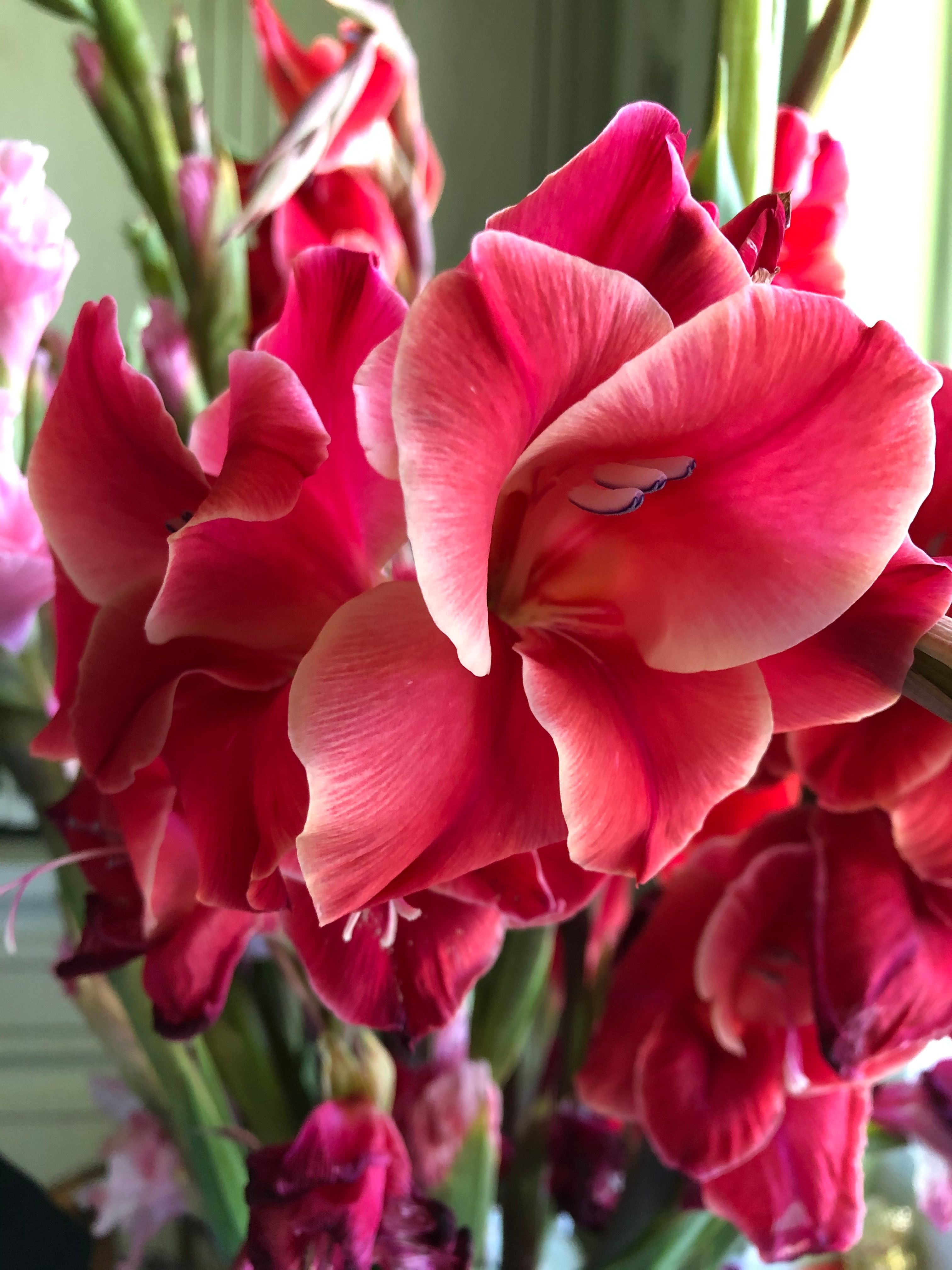
2. **August: Poppy and Gladiolus**: August introduces its own pair of meaningful blooms: the delicate poppy and the striking gladiolus. These flowers combine vibrant beauty with rich symbolism, reflecting the transition from the height of summer to the approach of early autumn.
Poppies come with rich and layered meanings that resonate deeply; they embody vivid imagination, mirroring the lively spirit of late summer. Furthermore, they serve as symbols of heartfelt remembrance, adding a reflective dimension to the warmer months, and they evoke peace and eternal rest, offering a surprising depth that belies their delicate appearance.
The gladiolus, often called the sword lily for its distinctive shape, stands tall and proud on a single stalk. Its symbolism mirrors its stature, representing strength and integrity—qualities of steadfastness and unwavering character. The flower is also linked to infatuation, infusing its powerful presence with romantic passion. Notably, gladiolus is among the few floral selections at grocery stores considered truly worthwhile for purchase.
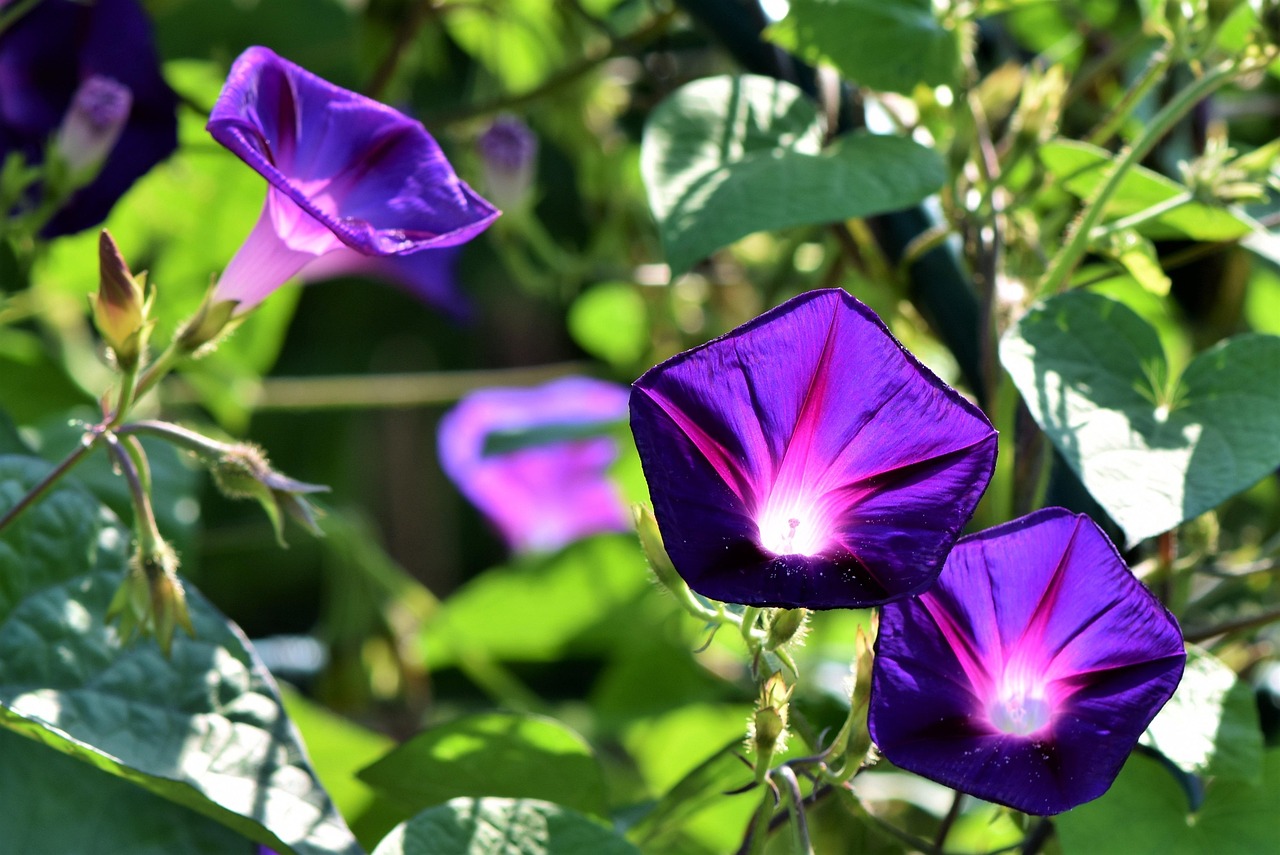
3. **September: Aster and Morning Glory**: September signals the transition to cooler weather and vibrant autumn hues. The birth flowers for this month—the elegant aster and the lively morning glory—beautifully reflect this seasonal shift. Both typically bloom as fall begins, enhancing the changing landscape with their presence.
Asters, named for their star-like shape, are deeply connected to September and carry rich symbolism. They represent wisdom, embodying a thoughtful and reflective spirit appropriate for this contemplative time of year. Additionally, asters signify valor, evoking courage and strength, and are also associated with faith, symbolizing trust and belief. These qualities combine to make asters a flower of admirable character.
Complementing the aster is the morning glory, recognized for its vibrant, trumpet-shaped blossoms that open each morning, bringing a fresh burst of color. The morning glory symbolizes enduring affection, representing love and support that persist through life’s challenges. This poignant meaning makes it a meaningful addition to September’s floral array.
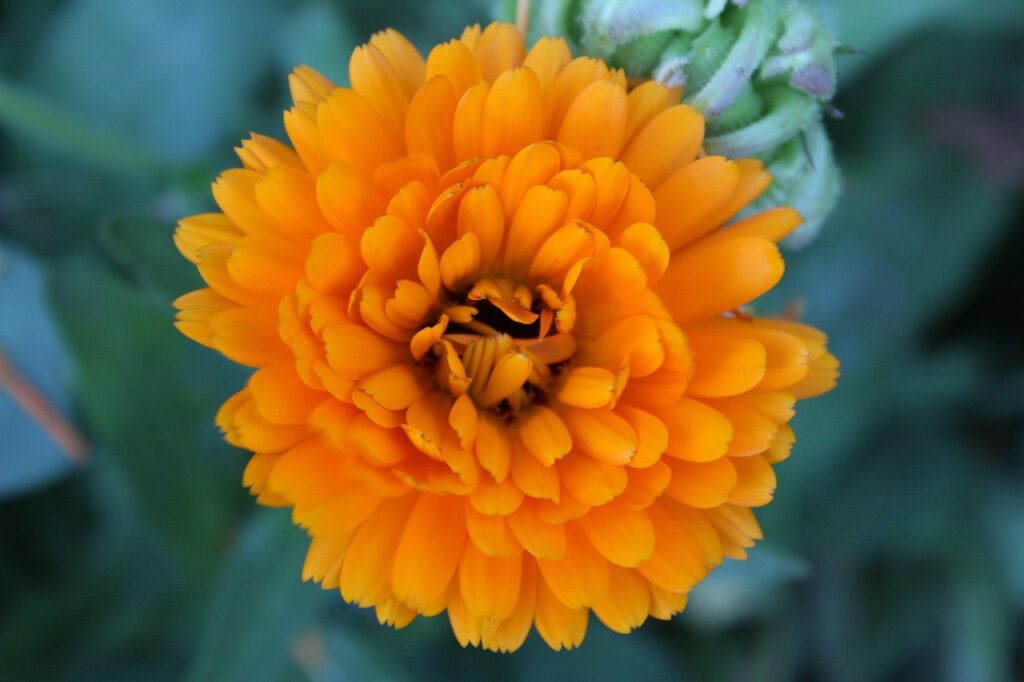
4. **October: Marigold and Cosmos**: October ushers in crisp air, golden foliage, and two radiant birth flowers: the marigold and the cosmos. These blooms capture the warmth and vivid character of the season, adding brightness and a sense of joy to the month’s cozy atmosphere.
Marigolds shine brightly with their striking golden-orange hues, embodying warmth just as temperatures begin to cool. Their connection to creativity aligns beautifully with both their vibrant colors and the artistic energy of autumn, while also representing passionate love, showcasing strength and commitment through their fiery tones; cultivating marigolds is often considered a fulfilling and uplifting activity, regardless of whether October is your birthday month.
Cosmos, with their soft, feathery petals and gentle sway in the breeze, offer a sense of tranquility and balance. These delicate flowers are symbolic of peace and harmony, making them a grounding presence during the busy autumn months. They also embody a playful spirit, bringing a touch of lightness to their calm nature. While not formally tied to the zodiac, cosmos flowers are frequently associated with the Libra sign due to their connection to balance and beauty.
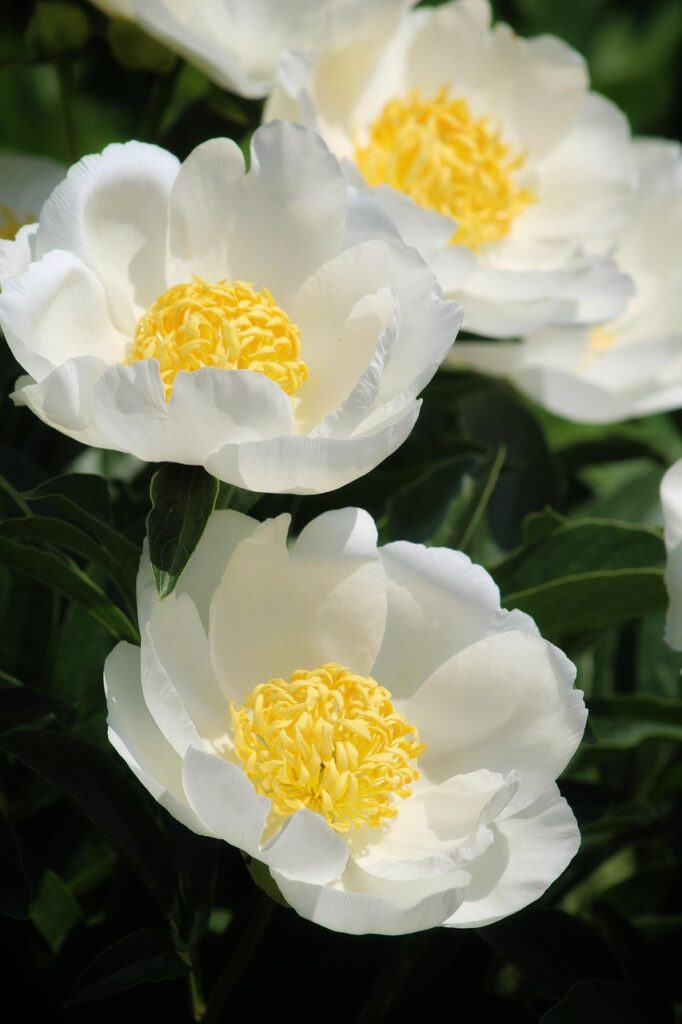
5. **November: Chrysanthemum and Peony**: As autumn reaches its peak and the year draws closer to its end, November presents two exquisite birth flowers: the chrysanthemum and the peony. Both are celebrated for their exceptional beauty and are often considered among the finest choices for floral arrangements, lending elegance and vibrancy to any setting.
Chrysanthemums carry deep and meaningful symbolism. Often associated with friendship, they serve as a tribute to enduring personal connections. They also represent joy, reflecting the warmth and delight they bring with their lush blooms. In many cultures, chrysanthemums are further linked to longevity, embodying wishes for a long and prosperous life. Their layered petals and vibrant colors make them a fitting emblem of both celebration and reflection.
Equally refined, the peony is a flower rich in symbolic value. Commonly tied to romance, it conveys love and affection with grace and grandeur. It is also seen as a symbol of prosperity, suggesting abundance and good fortune. Interestingly, peonies are sometimes linked to bashfulness, adding a touch of gentle modesty to their otherwise opulent presence. With such layered meanings, it is easy to understand why peonies remain a timeless favorite in floral traditions.
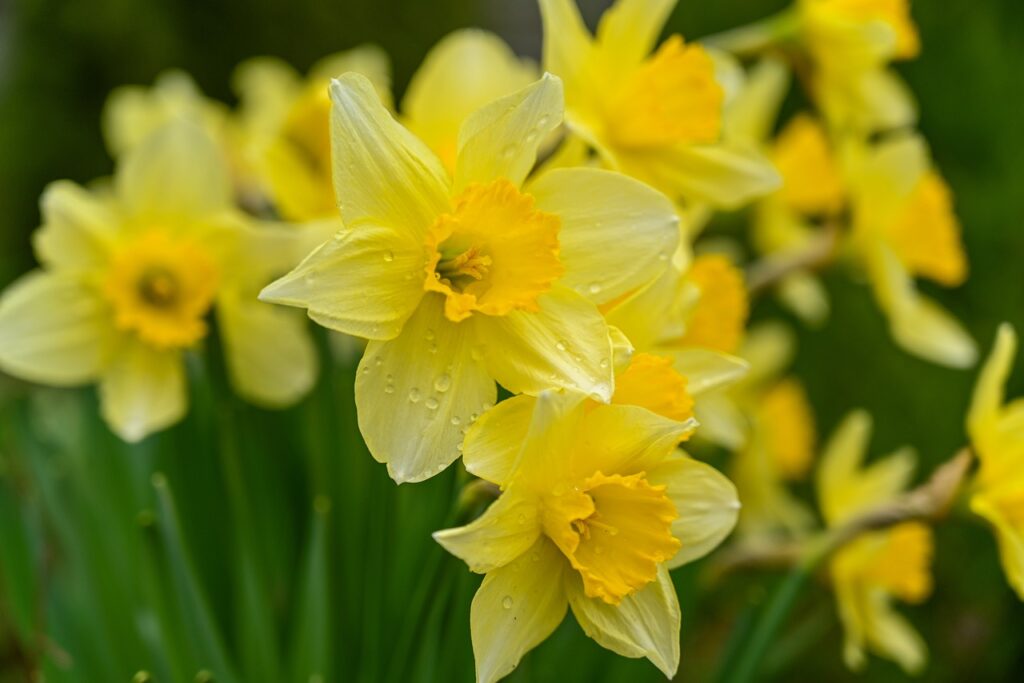
6. **December: Holly and Narcissus**: As the year wraps up, December presents two birth flowers that encapsulate the season’s joyful spirit and the tranquil beauty of winter: holly and narcissus, together mirroring the month’s blend of celebration and introspective calmness.
Holly is instantly recognizable, often featured in holiday decorations and winter arrangements. It symbolizes hope, a forward-looking sentiment that resonates as the year comes to a close. Holly also represents rebirth, aligning with the cyclical nature of time and seasonal renewal. Additionally, it conveys goodwill and best wishes, capturing the essence of December’s traditions of giving, gathering, and gratitude. Though strongly tied to festivities, holly’s evergreen beauty makes it a fitting choice throughout the winter months.
In contrast, the narcissus offers delicate elegance, bringing subtle charm to the cold season. These blooms symbolize protection and resilience, reflecting a sense of inner strength. Narcissus is also associated with domestic happiness, making it particularly meaningful during a time when home and family are central. Furthermore, the flower is linked to self-reflection and respect, suggesting thoughtful introspection and emotional clarity. With its layered symbolism and refined appearance, narcissus is a versatile addition to any winter bouquet.
This completes our exploration of the birth flowers from July through December. Each bloom holds its own story, cultural heritage, and emotional resonance, offering unique ways to celebrate identity and personal connection. Whether used in garden design, floral arrangements, or meaningful gifts, birth flowers bring beauty and significance into everyday life.
We’ll turn to the flowers of January through June, uncovering their histories and the reasons they are so well suited to represent the earlier half of the year.
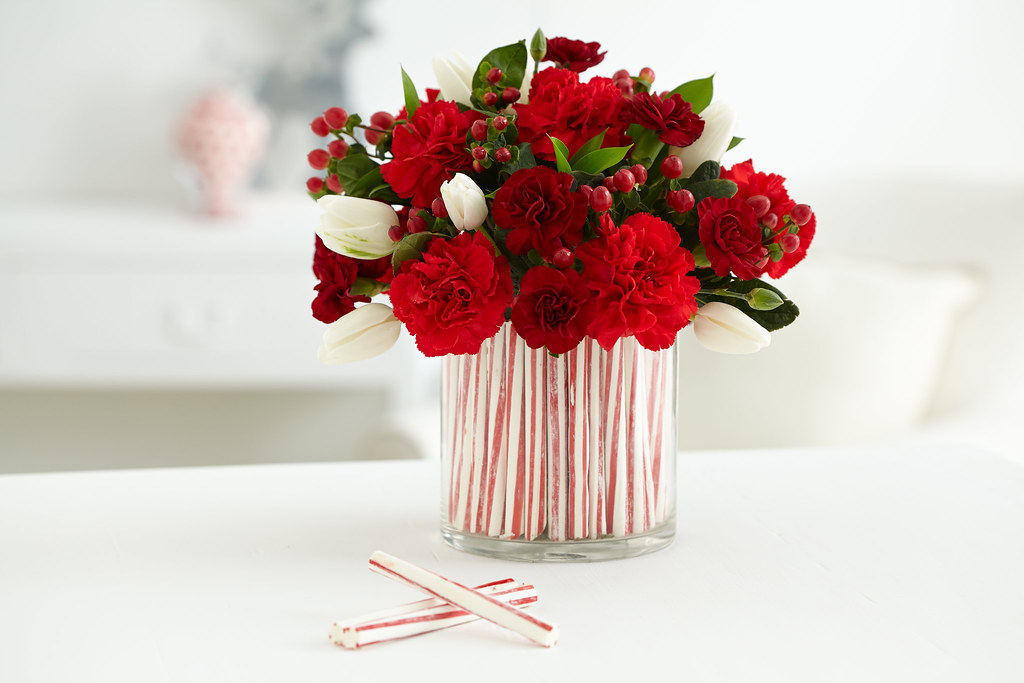
7. **January: Snowdrop and Carnation**: January opens the calendar year with two distinctive birth flowers: the delicate snowdrop and the vibrant carnation. Their presence feels especially symbolic, marking a season of quiet reflection and new beginnings with elegance and resilience.
The snowdrop, one of the earliest flowers to bloom during winter, brings a quiet charm to the cold landscape. Its white blossoms, often emerging through snow-covered ground, are a powerful symbol of hope, renewal, and the promise of change. Representing fresh starts and optimism, the snowdrop captures the spirit of a year just beginning.
In contrast, carnations burst forth with colors and textures thanks to their ruffled petals, rich in sentiment and traditionally linked to admiration, love, and distinction. Their expressive shapes and enduring charm make them a perfect choice for honoring someone dear or simply rejoicing in the uniqueness of the season.
Adena Einfrank, founder of Florals by Adena, emphasizes the emotional resonance of both blooms. Snowdrops, she notes, reflect the quiet strength of rebirth, while carnations express deep affection and regard. Together, they offer a graceful blend of symbolism and beauty to begin the year with purpose and sentiment.
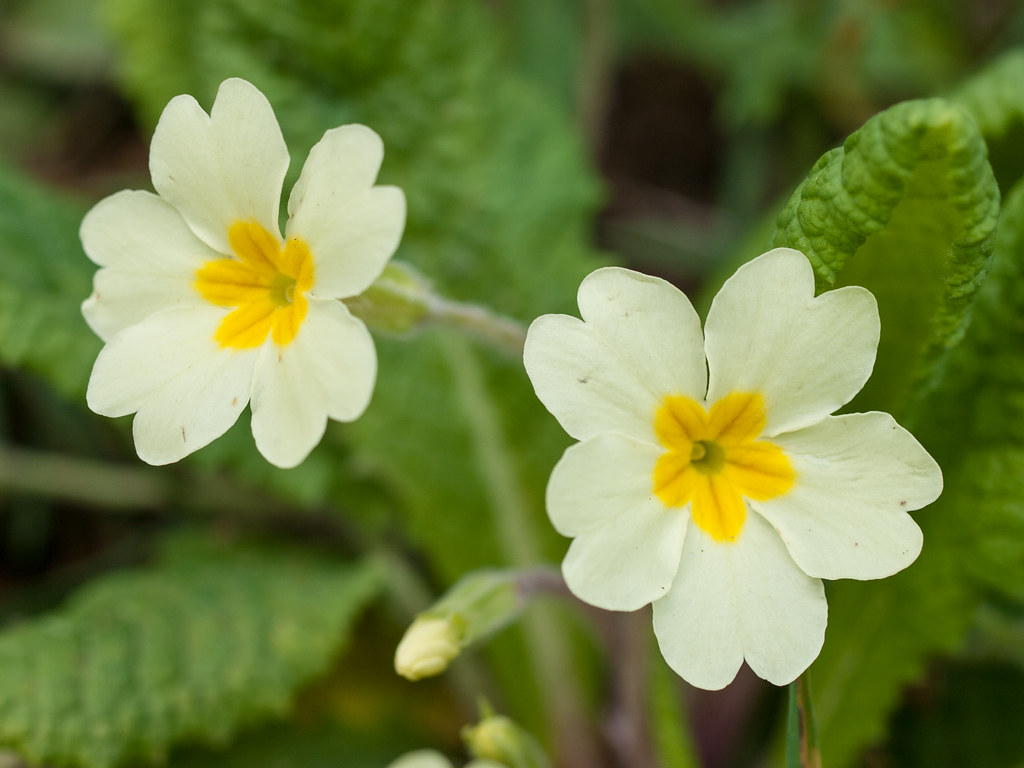
8. **February: Violet and Primrose**: February, a month often linked with love and renewal, is represented by two delicate and meaningful flowers: the violet and the primrose. Both evoke the early stirrings of spring, offering a gentle contrast to winter’s lingering chill.
Violets are often the first flowers to bloom as seasons change, representing modesty, faithfulness, and spiritual wisdom. Their subtle elegance and resilience allow them to thrive in compact spaces, like windowsills or shaded garden nooks, making them an ideal selection for intimate floral arrangements; the symbolism of violets sends a powerful message about inner strength, loyalty, and grace.
Primroses, also associated with early spring, carry their own gentle message. They represent youthful love and fresh beginnings, echoing the spirit of new possibilities. Their soft colors and simple charm lend themselves well to romantic arrangements, especially when celebrating a loved one born in this tender, transitional month. Together, violets and primroses offer a poetic blend of devotion and renewal—ideal for honoring February birthdays.
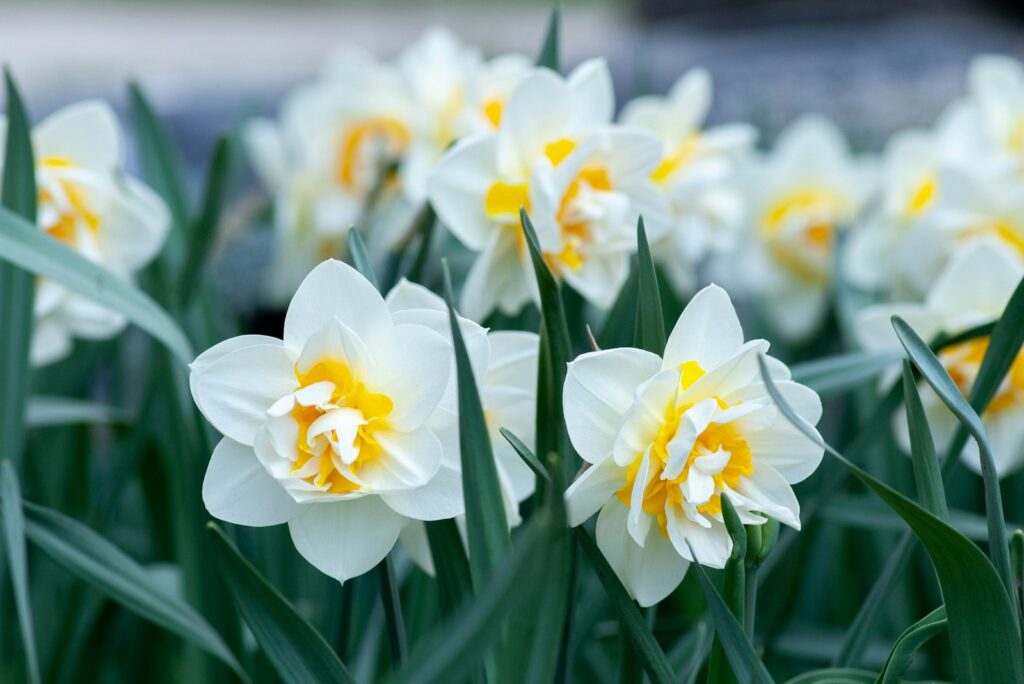
9. **March: Daffodil and Jonquil**: March welcomes the vibrant return of spring, and its birth flowers—daffodil and jonquil—perfectly reflect the season’s sense of renewal and awakening.
The daffodil, widely recognized for its sunny yellow hue, is the primary flower for March. Often viewed as a symbol of new beginnings, joy, and rejuvenation, it captures the spirit of emerging from winter with a fresh outlook. Adena Einfrank, founder of Florals by Adena, notes that daffodils radiate optimism and hope. She also emphasizes their practicality, highlighting how easy they are to care for in floral arrangements, making them a cheerful and accessible choice for brightening any space.
Complementing the daffodil is the jonquil, a flower from the same botanical family but with a unique identity. While less commonly known, the jonquil holds deep symbolic meaning. According to Adena, it represents affection that is reciprocated and the quiet yearning of romantic desire. These gentle blooms introduce a touch of emotional warmth to March’s floral symbolism, offering a balance of exuberance and tender sentiment.
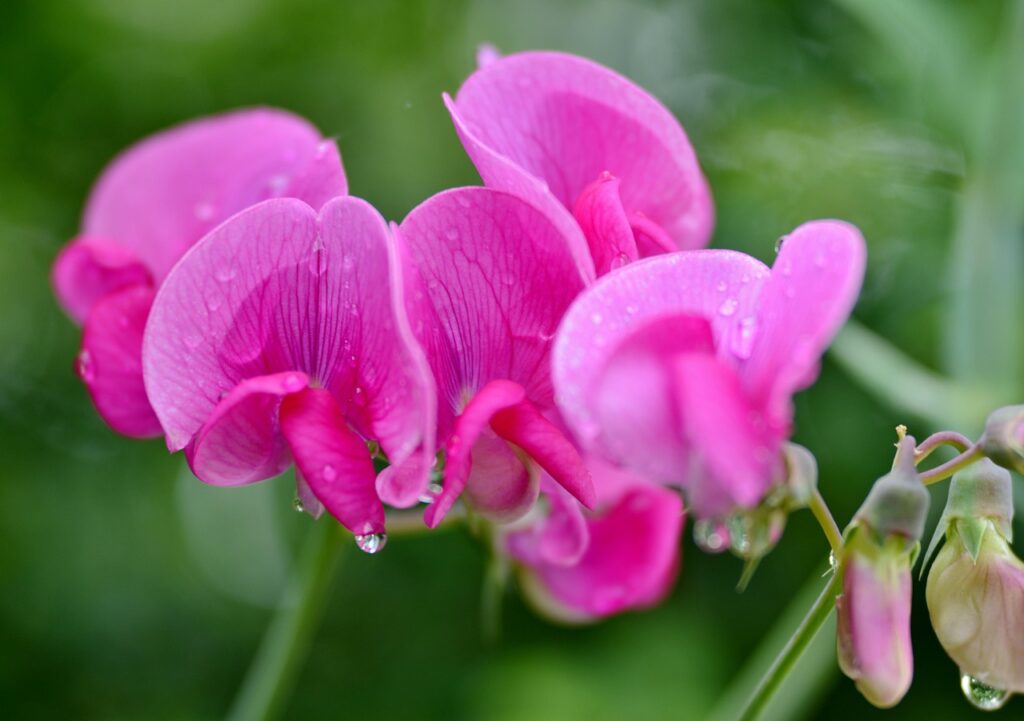
10. **April: Daisies and Sweet Pea**: April signifies a pivotal transition in the year as spring takes root and nature bursts into life, with the month’s birth flowers—daisy and sweet pea—perfectly embodying the freshness and quiet charm of this vibrant season.
The daisy, one of April’s signature blooms, is a symbol of purity, innocence, and loyal love. Amy McCord, founder of Flower Moxie, notes that these classic flowers are both long-lasting in gardens and deeply meaningful in bouquets. Their simple form and bright presence convey sincere emotion, making them an ideal expression of honest affection and new beginnings.
The sweet pea, with its soft petals and delicate fragrance, brings a more whimsical touch. Associated with blissful pleasure and gentle farewells, sweet peas embody both joy and a sense of fleeting beauty. Their graceful appearance and vibrant color palette capture the playful spirit of April, adding emotional depth to spring’s floral landscape.
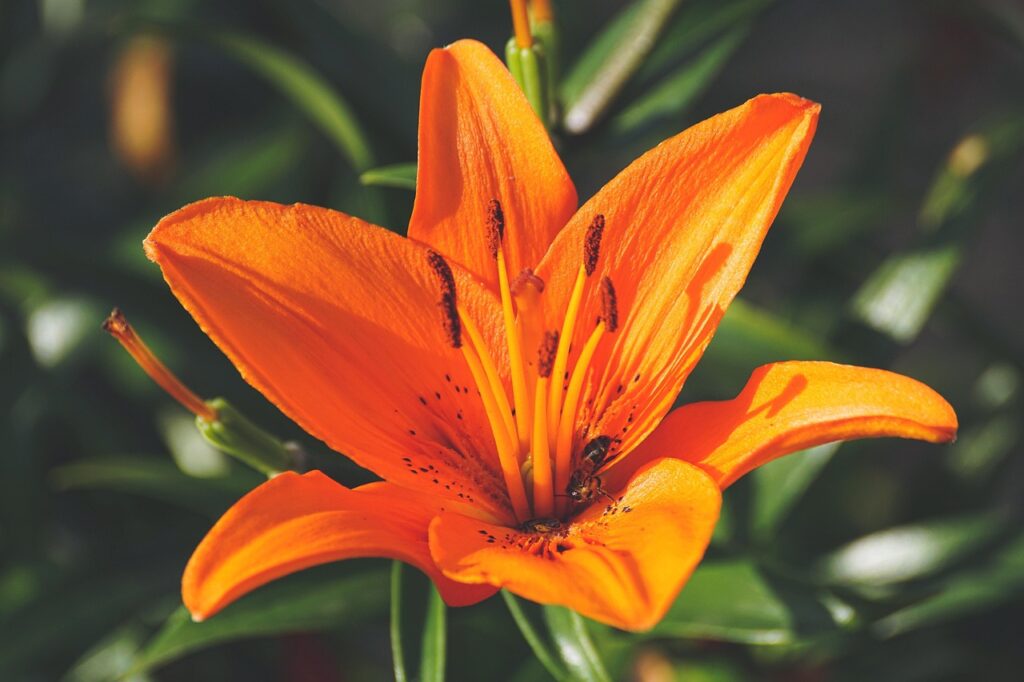
11. **May: Lily of the Valley and Hawthorn**: Often considered the height of spring, May is celebrated for its lush beauty—and its birth flowers reflect that charm with elegance and depth. The delicate lily of the valley and the understated hawthorn each bring a sense of serenity and grace to the month’s floral identity.
The lily of the valley, recognized as May’s primary birth flower, embodies purity, humility, and the return of joy with its dainty, bell-shaped blossoms that bring a soft fragrance and timeless beauty. According to Adena Einfrank, founder of Florals by Adena, these flowers thrive in shaded gardens, enriching even the smallest green spaces; their gentle beauty and symbolism ensure they remain a favorite through the years.
The hawthorn, though less widely recognized, offers its own quiet symbolism. Adena notes that these blossoms represent hope and deep contentment, making them a meaningful choice for those seeking subtle, enduring joy. Together, lily of the valley and hawthorn reflect the gentle optimism and renewal that define the heart of spring.
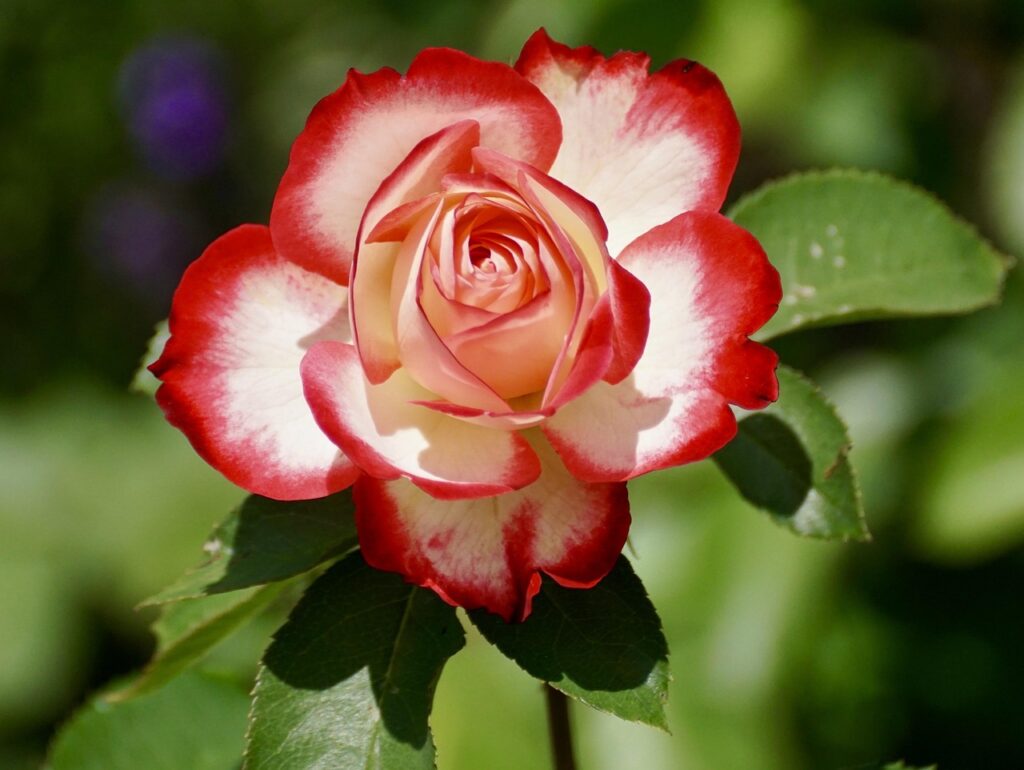
12. **June: Rose and Honeysuckle**: June marks the midpoint of the year and introduces two cherished birth flowers: the rose and the honeysuckle. Both are steeped in symbolism, closely tied to themes of love, connection, and emotional depth.
The rose, one of the world’s most recognized blooms, has long symbolized love, beauty, and passion. As Amy McCord of Flower Moxie notes, color variations bring added nuance: white roses convey purity, yellow reflects joyful friendship, and pink suggests grace and admiration. Their versatility and emotional resonance make roses a timeless choice for celebrations or quiet reflection.
Honeysuckle, though less prominent, holds equally meaningful symbolism. Known for its sweet fragrance and twining growth, this flower represents enduring bonds and heartfelt devotion. Its delicate yet resilient nature beautifully echoes the essence of lasting connection, making it a worthy complement to the rose.
With June’s floral duo, the message is clear: love in its many forms is always in bloom.
With each month presenting its own floral symbols and profound meanings, birth flowers create a personal and poetic link to the changing seasons. Whether you’re tending a garden, crafting a bouquet, or simply looking for inspiration, delving into the world of your birth flowers offers a heartfelt way to honor individuality, beauty, and the serene wisdom found in nature.