The recent Chapter 11 bankruptcy filing from Bed Bath & Beyond signals a dramatic end for a retailer that was once a household name, famous for its ever-present 20% off coupons and vast store presence. As the company prepares for liquidation and plans for store closures by June 30, its chaotic last years included moments of wild speculation that led to remarkable profits for savvy investors, especially a college student turned meme stock maestro.
Less than eight months before the retail giant filed for bankruptcy on April 23, Ryan Cohen, co-founder of Chewy and chairman of GameStop, and college student Jake Freeman cashed out a combined approximate $180 million in profits from their investments in Bed Bath & Beyond’s stock. Their timely exit came just before the stock’s dramatic plunge, a stark contrast to the fate of the company and the many investors who held shares as they dropped to just 11 cents by April 28.
Ryan Cohen, a key figure in the meme stock phenomenon, invested about $121 million in Bed Bath & Beyond in the first quarter of the prior year. His investment included acquiring a 9.8% stake in the homeware retailer, supplemented by bullish call options on its shares. Known for his influence among small retail investors, particularly after the GameStop saga, Cohen’s move into BBBY set the stage for the company to become a meme stock target, driving significant price volatility unrelated to its underlying business fundamentals.

By August of that year, during a period of intense meme stock activity around Bed Bath & Beyond, Cohen, through his RC Ventures firm, announced he had sold all of his shares and options. The sale fetched $189 million, resulting in a swift return of roughly $68 million over an approximately eight-month holding period. This disposal occurred as BBBY shares peaked, reaching as high as $30 in August, a remarkable climb from the roughly $13 to $17 range where Cohen initially bought in.
Simultaneously, Jake Freeman, a math and economics major who was 20 years old at the time, also made a substantial bet on Bed Bath & Beyond. Freeman paid about $25 million for a 6.2% stake in the company, which he first publicly revealed in late July. His investment was made through his Wyoming-based holding company, Freeman Capital Management, with funds reportedly raised from friends and family.
Freeman’s conviction stemmed from a belief that Bed Bath & Beyond’s stock was priced for bankruptcy, which he saw as a real possibility. However, he also believed the company could potentially raise more cash and gain time to save its business if it adjusted its capital structure. Less than a month after revealing his stake, Freeman Capital Management sold its entire position for over $130 million, an amount close to Bed Bath & Beyond’s entire market capitalization at the close on the Friday before its bankruptcy filing.
Product on Amazon: Bed Bath & Beyond to the Moon T-Shirt
Brand: Meme Aktie
Binding: Apparel Product Group: Apparel
Price: 19.99 USD
Features:
1. The best meme stocks for all Ape with Diamond Hands and an Onk stick.
2. Wall street and short squeeze for your meme stock keep all monkeys together. Like Ape together strong meme.
3. Lightweight, Classic fit, Double-needle sleeve and bottom hem
Shopping on Amazon >>
Freeman’s bold trade netted him about $110 million in just under a month, as he capitalized on Bed Bath & Beyond’s stock, which once soared five times its value during his investment. He noted in a Reddit post titled ‘An Ode to BBBY’ that the urge to cash in was driven by both the stock’s meteoric rise and his need to return to school the next day, making for a thrilling, albeit short-lived, investment journey.
Both Cohen and Freeman executed their sales within 24 hours of each other in August, demonstrating remarkably prescient timing. Their exits coincided with a significant rally in the stock price, but their subsequent sales were followed by a rapid decline in the shares. BBBY stock plunged 99% from its August peak to its value shortly after the bankruptcy filing, reinforcing that their decision to sell captured a narrow window of inflated value.
The meme stock phenomenon that briefly buoyed Bed Bath & Beyond shares was heavily influenced by Ryan Cohen’s reputation established during the GameStop frenzy between 2020 and 2021. In that earlier episode, Cohen encouraged retail traders on social media platforms to buy shares of the struggling video game retailer, driving its stock from $5 to over $480 and popularizing the “short squeeze” strategy, where investors betting against a stock are forced to buy shares to cover their positions, further driving up the price.
Cohen’s interest in Bed Bath & Beyond was seen by many as an attempt to replicate the GameStop success, aiming to turn the retailer into another meme-stock beneficiary. RC Ventures actively pushed for changes at the company, including suggesting a divestiture of the Buy Buy Baby chain and exploring a sale of the entire company. Bed Bath & Beyond did agree to add three directors nominated by RC Ventures to its board in an effort to appease the activist investor.
However, Cohen later expressed that his views of the business “clearly changed,” citing the company’s aggressive stock repurchases followed by heavy losses as a major red flag. While Cohen and Freeman benefited significantly from the meme stock rally, Cohen is now facing a shareholder class action lawsuit accusing him of orchestrating a ‘pump-and-dump’ scheme to artificially inflate the retailer’s share price before selling his stake.
The lawsuit, initiated by an investor, originally claimed Cohen had colluded with the firm’s late finance chief, Gustavo Arnal. Arnal, 52, committed suicide in September following a conference call where Bed Bath & Beyond announced store closures and layoffs. His name was later removed from the suit, which Bed Bath & Beyond has stated is without merit. Cohen has previously declined to comment on the lawsuit allegations.
Beneath the meme stock hype, Bed Bath & Beyond’s decline illustrates a complicated corporate disintegration marked by miscalculations that began long before the speculative trading took hold. In a court document, Holly Etlin, the company’s chief financial officer and chief restructuring officer, recounted how Bed Bath & Beyond started in 1971 with the straightforward mission to ‘offer name brands at a discount,’ a strategy that sadly lost its effectiveness over time.

Bed ‘n Bath, as it was initially called, expanded its footprint and inventory, debuting a 20,000-square-foot superstore in 1985 and pioneering “category killing” retail by offering a broad selection at affordable prices. The name changed to Bed Bath & Beyond in 1987 to reflect the wider merchandise array. The company went public in 1992, found favor on Wall Street, and adopted integrated computer systems, reaching $1 billion in sales by 1999.
For a time, Bed Bath & Beyond employed a strategy akin to a “treasure hunt,” stocking goods floor to ceiling so patrons enjoyed the adventure of finding items, a tactic also used by retailers like T.J. Maxx. The company even survived the 2008 recession, outlasting competitors like Linens ‘n Things.
However, according to Etlin, a critical turning point occurred with the rise of e-commerce in the mid-2000s. Bed Bath & Beyond was “slow to embrace and adapt to the e-commerce boom, which was pioneered by direct competitors Amazon, Target, and Walmart.” Etlin called this reluctance “one of the consequential, early decisions that ultimately led to this day,” referring to the bankruptcy filing.
The company expanded by making strategic acquisitions like Buy Buy Baby in 2007, establishing itself as the top specialty baby retailer. However, its stock peaked at $80 per share in January 2014, only to falter dramatically, collapsing to $14 by 2018, thereby erasing $15 billion in shareholder value as it fell behind competitors who were aggressively investing in both stores and e-commerce. By early 2019, the retailer reported its seventh consecutive quarter of declining same-store sales, alongside its first annual loss in nearly three decades as a publicly traded entity.
Product on Amazon: Bed Bath and Beyond Simply Essentials All Purpose Kitchen Towel – Set of 4-28″ L x 18″ W White
Brand: Bed Bath & Beyond
Binding: Product Group: Kitchen
Price: 17.97 USD
Rating: 5.0 Total reviews: 4
Features:
1. Features: Set include: Four (04) Kitchen Towels
2. Plush waffle texture
3. Machine wash
4. Made in Pakistan
5. No assembly required, Dimensions:
Shopping on Amazon >>
Read more about: Discover Your Sunshine State Sanctuary: Exploring Florida’s Most Sought-After Retirement Havens for 2025

The struggles attracted activist investors in March 2019 who criticized the company’s failure to modernize, its cluttered store format, eroding value, and management decisions, including allegations of nepotism related to the Buy Buy Baby acquisition. This pressure led to an overhaul of the board and the departure of CEO Steven Temares after 16 years.
Mark Tritton, a veteran merchandising executive from Target, was brought in later in 2019 as the new president and CEO. Tritton implemented significant strategic changes, including selling off noncore businesses like Cost Plus World Market and Christmas Tree Shops and executing a $250 million sale-leaseback deal for a substantial portion of the retailer’s property. He also reduced the use of the company’s well-known 20% off coupons, which had long been a driver of customer traffic.
Crucially, Tritton shifted the company’s focus from selling popular national brands to developing and promoting private-label brands, a strategy he had used successfully at Target. However, this move proved detrimental for Bed Bath & Beyond. Etlin stated, “Traffic, market share, and important customer programs such as loyalty and registry were impacted.” The changes were implemented too rapidly, overwhelming the supply chain, and customers were confused to find stores that “looked nothing like the stores that had engendered their loyalty over decades,” with national brands like KitchenAid mixers and Calphalon cookware replaced by private-label brands that, according to Etlin, “customers did not want.

The COVID-19 pandemic further exacerbated supply chain issues, particularly for the new private-label brands, which had longer lead times compared to the more easily accessible national brands. Tritton also cut the workforce and began downsizing the store fleet as the company’s financial situation deteriorated.
Tritton was ousted in June [2022] following consecutive quarters of missed earnings targets, continued share price decreases, and rising expenses. At that time, Bed Bath & Beyond reported a 25% year-over-year drop in net sales for the fiscal first quarter. Board member Sue Gove was appointed interim CEO and later made permanent.
Gove attempted a turnaround plan, aiming to improve inventory and reintroduce popular national brands, but faced challenges due to strained relationships with vendors who became wary and imposed stricter credit terms as the company’s financials worsened. This lack of vendor support meant Bed Bath & Beyond lacked the financial flexibility to sufficiently restock inventory, leading to stores being nearly 35% out of stock by December [2022].
The difficult holiday season saw sales fall nearly 50% from the prior year, triggering multiple defaults under its financing agreements. Heading into the new year [2023], the company warned it might have to file for bankruptcy and reported widening losses. Further store closures, including the entire Harmon beauty chain, were announced. The goal shifted to retaining a smaller core fleet of approximately 360 Bed Bath & Beyond and 120 Buy Buy Baby stores.
Read more about: The Retail Closure Conundrum: Unraveling Myths in a Changing Commercial Landscape

In early 2023, Bed Bath & Beyond attempted to stave off bankruptcy with alternative financing strategies, including a $1 billion stock offering led by Hudson Bay Capital Management. Unfortunately, this financial lifeline fell short, as the company was only able to raise $360 million before abandoning the deal in late March and resorting to a $300 million stock sale, all while hinting at an impending Chapter 11 filing. Despite securing a $120 million deal aimed at bolstering inventory, these actions were deemed ‘too little, too late.’
On April 23, after a series of ‘painstaking, creative, and exhaustive efforts to right the ship,’ Bed Bath & Beyond officially filed for Chapter 11 protection, unable to meet its debt obligations while keeping stores stocked, as Etlin described. The company is now seeking court permission to exit nearly 500 leases across the U.S. and Canada to expedite its liquidation process.
Compounding the fallout, Bed Bath & Beyond has issued notices for major layoffs, which will affect thousands of workers in states like New Jersey, Texas, and Georgia. This has led to criticism regarding the lack of severance pay for many employees, while former CEO Mark Tritton has taken legal action against the company, claiming it failed to honor his severance package.
The Bed Bath & Beyond saga serves as a compelling case study for investors navigating the unpredictable waters of volatile markets and the inherent risks tied to speculative trading. The company’s story, characterized by strategic blunders and the meme stock frenzy, contrasts sharply with the short-lived triumph experienced by a handful of nimble investors who managed to profit from the stock’s brief surge before its inevitable downturn.
Read more about: Retail Landscape Shifts: JCPenney, Party City, and More Announce Store Changes Amid Broader Closures Trend

The wider market context during this period was also characterized by shifting dynamics. For example, Asian stocks and sovereign bonds faced declines due to hawkish signals from the Federal Reserve, sparking concerns about ongoing interest rate hikes in the U.S. Hong Kong’s market saw a notable plunge, and the MSCI Asia Pacific Index appeared headed for its lowest point since November, while China observed a week-long holiday.
Meanwhile, Australia’s central bank maintained its interest rate but warned of potential future tightening, which could affect the Australian dollar and government bonds. Similar trends were observed across Asia, where bonds dipped in response to a slump in U.S. Treasuries, as yields surged, pushing the benchmark 10-year note to its highest level since 2007. This environment reflects a risk-averse market sentiment, driven by the anticipation of ‘higher-for-longer’ interest rates, influenced by recent U.S. economic data and remarks from central bank leaders like Michael Barr, Michelle Bowman, and Loretta Mester, who indicated the likelihood of further rate hikes.
Asset allocators, including those managing traditional portfolios, faced challenging decisions, though some viewed the bond market decline as an opportunity to secure yields not seen in decades. The global bond selloff gained momentum as traders increased bets on a November rate hike by the Fed. Meanwhile, the U.S. dollar strengthened against most major currencies, hitting a year-to-date high against the Japanese yen, while commodities like gold stabilized and oil prices retreated amid expectations of waning demand from China.
Read more about: Navigating the New Economic Reality: What Tariffs Mean for Your Wallet and What to Buy Now
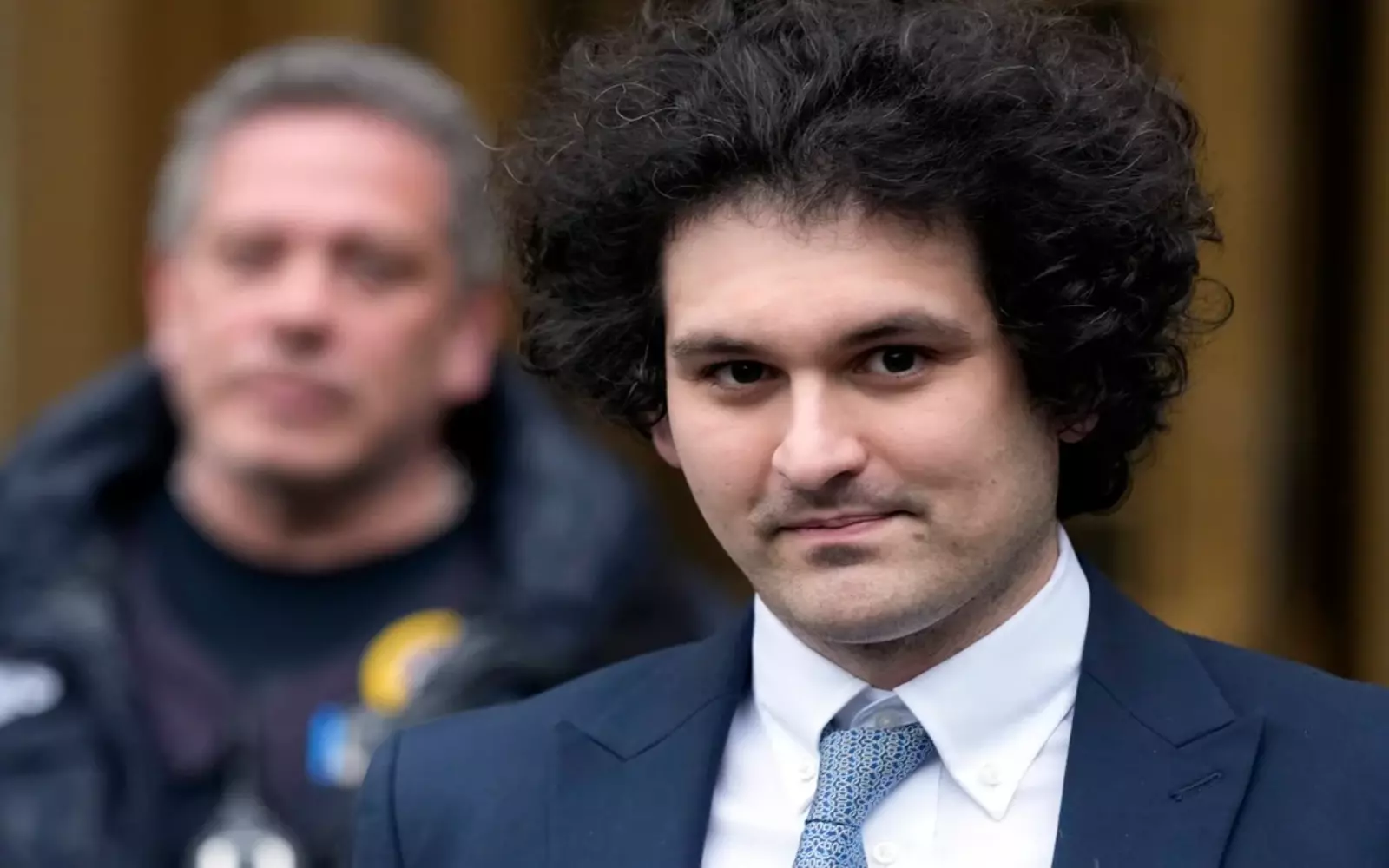
The financial landscape also saw other high-profile events, such as the conviction of Sam Bankman-Fried for fraud related to the collapse of the FTX cryptocurrency exchange. Bankman-Fried was found guilty of stealing billions from customer accounts and money laundering. This case highlighted themes of corporate misconduct and fraud on a grand scale, drawing comparisons to past instances of financial swindling and raising questions about accountability within the capitalist system. Authorities also signaled increased scrutiny on emerging technologies like AI, with the FTC warning developers against harmful practices.
Earnings reports from major companies like General Motors, UPS, and Citigroup also provided insights into the broader economic health, reflecting consumer demand trends, supply chain impacts, labor negotiations, and ongoing adjustments to market turmoil. GM reported strong earnings driven by high-end car demand, while UPS saw revenue and profit dips, suggesting a potential economic slowdown.
In the unique case of Bed Bath & Beyond, while its long-term decline was fueled by fundamental business challenges and shifts in the market landscape, the brief and explosive period as a meme stock allowed a select few, including Jake Freeman and Ryan Cohen, to realize substantial gains. Freeman, whose early ambitions shone through in his academic pursuits and even a presidential candidacy at age 18, saw a golden opportunity in a distressed company and executed a rapid, high-stakes trade, funded by family and friends, ultimately achieving a remarkable return on investment.

The Bed Bath & Beyond saga, from its historical success to its strategic failures, meme stock brief, and final bankruptcy, serves as a cautionary tale in the retail sector. It underscores the challenges legacy retailers face in adapting to changing consumer habits and market dynamics, the potential for speculative frenzies in public markets, and the critical importance of timing for investors navigating such volatile situations. Ultimately, the company proved unable to overcome its deep-seated issues, leaving behind a legacy of closed stores, lost jobs, and a story of dramatic wealth creation for a few against a backdrop of widespread loss.
Related posts:
Asian Markets Tumble Amidst Fed’s Hawkish Signals, Posing Challenges for Investors
Bed Bath & Beyond just filed for bankruptcy, 8 months after an activist investor and college student made a combined $180 million on the meme stock
GameStop chairman Ryan Cohen and student Jake Freeman raked in $180m from Bed Bath & Beyond