Self-Checkout Dilemma: Labor Shortages and Theft Epidemic
Years ago, self-service technology promised to revolutionize the shopping experience, offering a quick and efficient way for shoppers to scan and pay for items themselves, which retailers believed would reduce their need for staff. However, the implementation of self-checkout systems presented unforeseen complications that retailers had not anticipated, leading to frustrations for both customers and businesses alike.
The reality of self-checkout proved complex, though. Its intended benefits didn’t line up with real operational issues. Now, retailers face what some call a “self-checkout reckoning.” This happen for several key reasons all at once. Stores still grapple with serious labor shortages for one thing. They also see large inventory losses or “shrinkage.” This problem is often directly tied to using the self-checkout machines.
Retail’s labor issues still worry many people. A recent survey showed problems finding workers last year. Almost half of all stores found this challenging then. The industry sees very high numbers of staff leaving jobs. This worker shortage puts too much stress on current staff. Many employees must now do more then one job at once. Some staff also work overtime hours, sometimes unpaid.
Staffing problems impact workers who stay too. Security risks become a bigger worry for they it seems. A survey revealed most retail workers faced security events. Not enough staff made responding to incidents harder often. This isn’t just a minor issue for daily tasks either. It hurts how employees feel about their job safety. Many workers even think about leaving due to these concerns.

Retailers’ Countermeasures: From Purchase Limits to Hybrid Checkouts
Labor problems affect customer shopping clearly. Less staff means longer waits when checking out. Service quality also drops because staff is stretched thin. The overall shopping visit feels less complete often. This decline in service makes customers less loyal. Losing loyalty really hurt stores in a competitive market.
Besides staff issues, shrink is a big problem. It’s a main reason for the self-checkout changes now. Self-checkout created places where items could disappear. Data shows some users admit stealing things there. Fifteen percent of them said they stole items on purpose. Worryingly, many of this likely will steal again. This shows a real issue with that way of checking out.
Stores saw more theft with the early self-checkout. Major retailers decided to change their systems quickly. Target started limiting items at the self-checkout lane. Customers could only buy 10 items there then. Dollar General went further in some spots. They removed self-checkout entirely from 300 stores. These stores had high theft and lot of missing items.
Read more about: Food Insecurity and Policy: Unraveling the Interconnected Challenges

Customer Experience Collapse: Locked Shelves and Shopping Churn
Dollar General’s CEO explained their big changes. He said they are removing self-checkout where theft was high. Many spots are becoming hybrid checkouts with staff help availability. The plan is getting shoppers to use regular lines first always. He believes workers are crucial for greetings and service upfront there. This push aims at cutting down on stealing incidents he mentioned. It shows they really value human touch at the store entrance point.
Dollar General used tech analysis too. The CEO said they used AI to study self-checkout performance. This AI showed self-checkout added a lot to their shrink problem. It found items stole on purpose sometimes. It also saw items bagged that did not register correctly. Both intentional theft and errors caused losses overall. This AI study directly led to their new hybrid model approach now.
This new hybrid checkout is going into many stores. Vasos feels sure this method will help cut losses greatly. Dollar General isn’t the only one changing things like this lately. Other major stores are trying item limits for their self-checkouts. Walmart even limited access members at some spots. These actions signal the first self-checkout version needs changes.
Read more about: Anheuser-Busch’s Strategic Shift: Navigating Decline and Rebuilding in a Changing Beverage Landscape
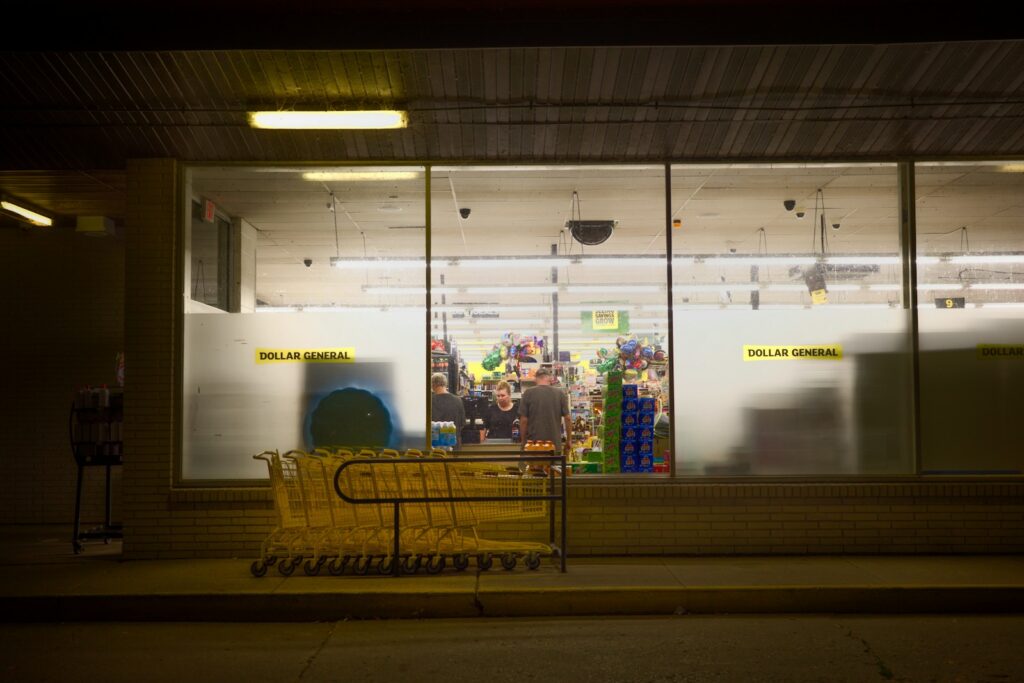
Stores like Dollar General fight “shrink” a long time. Shrink means items lost for many different reasons actually. This includes stealing, damaged goods, or unsold thing also. Dollar Tree recently said they will close 1,000 Family Dollar stores. They mentioned theft as a key reason for these closings.
Shrink costs stores a lot of money sadly. It hurt the little profit they make usually. Self-checkout was meant to save money on staff salary. Instead, it created new costs for their work daily. Stores face problems from not enough staff and high losses now. Both squeeze the already small profit they earn always.
Anti-theft steps make shopping harder often. These measures try protecting items but annoy customers. Seeing products locked up is way more common now. Lot of shoppers see locked items in many stores. This makes for a big hurdle to easy shopping sadly. Evidence show it makes stores lose sales and shoppers.
Read more about: Decoding Social Security’s Future: Why Boomers and Gen X Face Unprecedented Retirement Jitters

Locked items really affect what shoppers do next. Many shoppers switch stores when they see this happen. Almost twenty percent would go to a different store than. More immediately, some shoppers just leave items there. Ten percent said they would ditch their whole cart too. People of all ages feel the same about these issues. Protecting profit this way can actually lower it overall instead.
A professor called this time a “self-checkout reckoning” recently. She note stores found it didn’t save easy money always. They thought it was a simple way to cut costs fast. Retailers still try to make self-checkout work better though. She find the situation tricky sometimes. Self-checkout should feel smooth for customers buying stuff quickly. But it often creates lots of problems actually she mentions.
Tech issues are only one part of the trouble she says. Cutting cashier jobs seemed cheaper at first glance possibly. But this caused new costs no one seen coming ever. Increased theft is one such problem happening now a lot. Putting unstaffed checkouts near the front door isn’t helping. It doesn’t discourage stealing from happening she argues strongly. This shows less human watch can create chances for bad acts she adds.
She points out bad effects on people involved also. Self-checkout leads to staff feeling worse about work she thinks. Customers feel less happy with their shopping trips too. Loyalty from customers goes down because of this she says. These are real costs for stores, even if hard to measure. Unhappy staff and shoppers hurts business long-term the most she says.
Read more about: The Complex Landscape of Food Policy and Nutrition: Balancing Access, Affordability, and Health
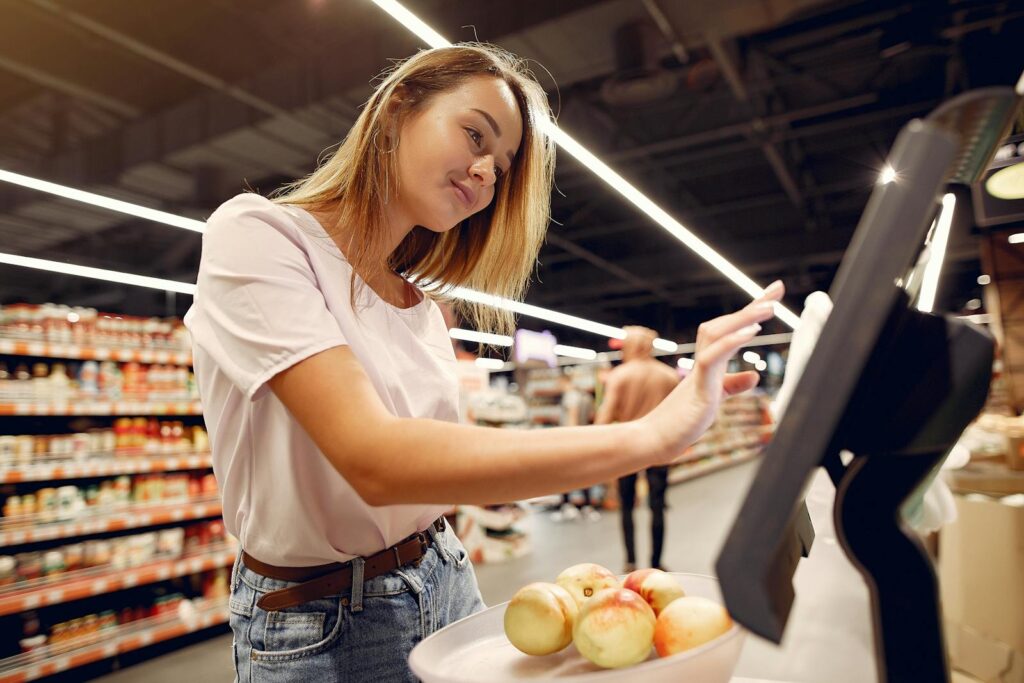
These issues have prompted stores to reevaluate their approach and ask a critical question: is it better to keep self-checkout systems in place or to eliminate them altogether? According to a professor, the answer remains unclear, as retailers continue to navigate the complexities and outcomes from their initial foray into automation, reflecting the industry’s current predicament.
Shoppers also show how frustrated they are feeling. Many customers now want self-checkout removed completely there. Over forty percent support taking these systems away sadly. They cite thing like needing help often as a reason usually. This feedback confirms self-checkout isn’t always smooth sadly.
Interestingly, many shoppers utilize self-checkout for practical reasons rather than a genuine affinity for technology; one customer mentioned they would opt for self-checkout only if the line was manageable, while another noted they preferred traditional cashiers for larger purchases. This feedback indicates that for many, self-checkout serves more as a backup option than a preferred choice, highlighting a need for improvement in the overall shopping experience.
Read more about: Tesla Under Pressure: Sales Scandals, Leadership Controversies, and the EV Giant’s Struggle to Rebuild Trust
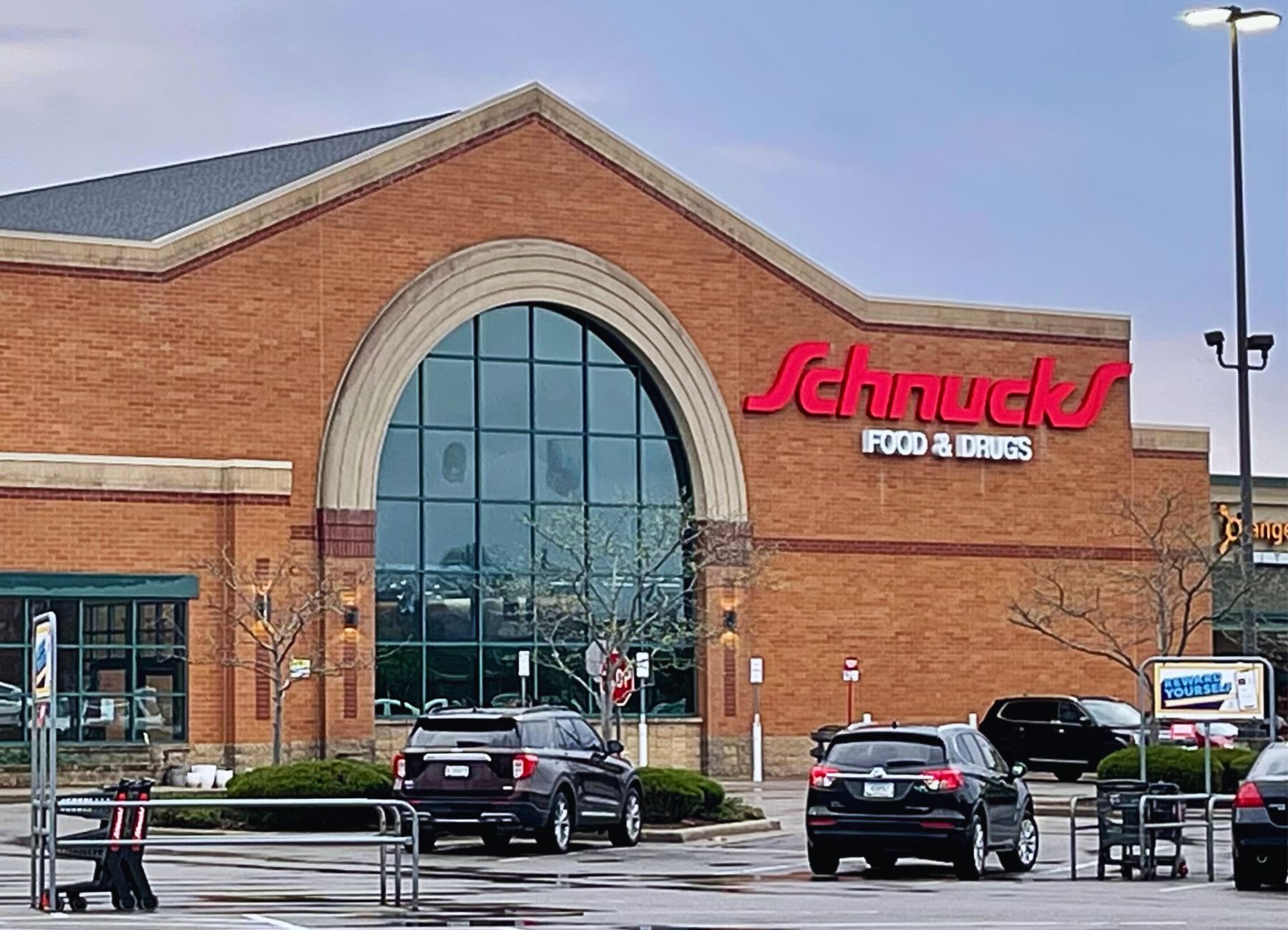
Even Schnucks store seen problems themselves directly. They limited self-checkout use to only 10 items quickly. This caused big anger from their shoppers right away. Customers felt staffed lines lacked enough workers present. Limiting self-checkout just made existing problems seem worse always. Schnucks listened and changed the limit slightly later. Signs saying “WE HEARD YOU” went up too.
In summary, the initial vision for self-checkouts underestimated the intricacies of staffing, security, and the human element of shopping. Although the first wave of automated checkouts addressed some efficiency concerns, they often exacerbated existing store challenges, showing that a more thoughtful, integrated approach is essential for future success in retail automation.
Stores today got big problems. Not enough workers are around. Lost stock is a huge issue. Some security steps make shopping awkward. This really hurts how well shops do. It also makes customers feel bad too.
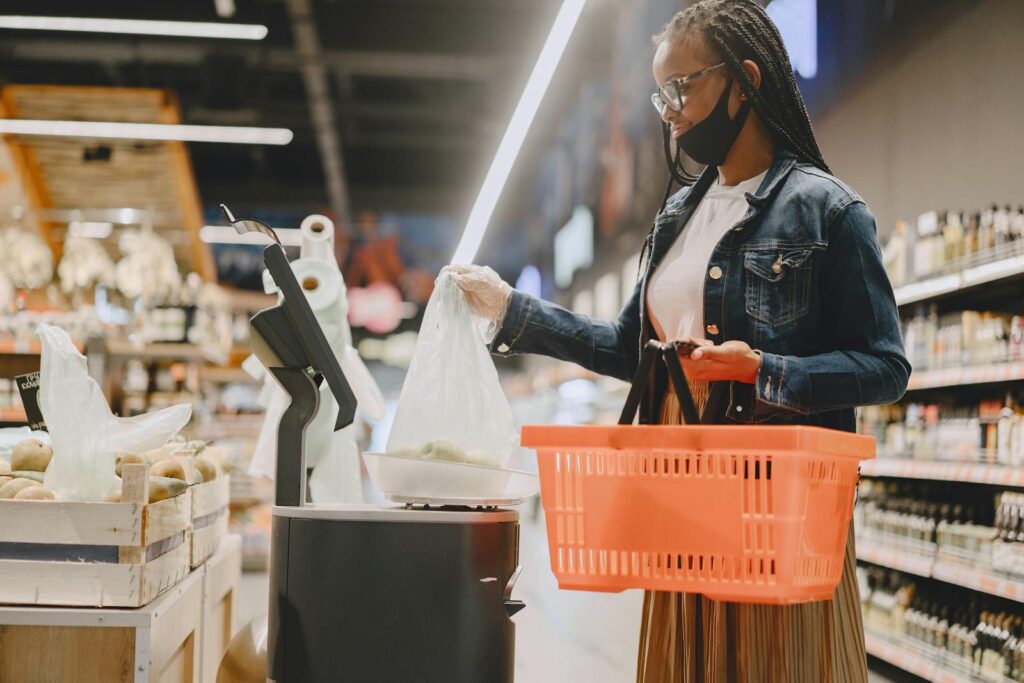
The first try at self-checkout didn’t fix everything. Simple machines are not the full answer. People calling this a ‘reckoning’ is wrong. It means self-checkout must get smarter. Retail needs systems working together better. This is called smart unattended retail.
Smart self-service is different than before. Old systems only automated paying money. New ones fix staff shortage problems. They also cut down stolen stuff. Shopping gets easier for everyone too. Advanced tech works together doing this. These systems mix security and data. Payment is simple also.
This change fixes old store issues. Stores struggled balancing two things. Keeping things safe from theft was one part. Giving shoppers a smooth trip was another. More staff for watching cost lots of cash. Less staff meant more things stolen. Smart retail uses tech for watching. This lets staff do other jobs. It makes shopping better at same time.
New tech is key for this plan. Systems from Cantaloupe use smart shelves. Cameras watch things moving too. These tools don’t just watch passively. They check products and sales closely. Reliable sales happen most of time. Technology does the watching work. Customers don’t feel bothered much.
Read more about: Beyond the Bank Balance: Why Building an Emergency Fund Feels Impossible (And Why You Still Absolutely Should)

By reducing the necessity for staff oversight at self-checkout, stores can reallocate employees to areas where they can provide personalized customer service and manage inventory tasks more effectively, ultimately addressing complex issues that demand the human touch and alleviating worker shortages.
Customers appreciate a smoother shopping experience, as reduced reliance on complicated security measures means fewer items are locked away, allowing shoppers to quickly grab popular products. This not only minimizes theft but also simplifies the shopping process, leading to greater customer satisfaction by eliminating previous frustrations.
Real-time data is another big plus. These systems do more than just selling. They collect useful store info constantly. IoT tech shows stock levels right now. It tracks prices and buying trends. This data helps shops see things clear. They know what people are buying all day long.
Read more about: Retailers Lock Down: The Fight Against Shoplifting Reshapes Shopping Experience

Smart Retail Revolution: From Automation to Seamless Shopping Ecosystem
Smart analysis improves prices quickly. Knowing how demand changes helps stores. They adjust prices for more income. This is different than old store ways. Checking stock then setting fixed price. Watching stock helps avoid empty shelves. Making sure popular items are there matters. It directly helps stores make more sales.
Integrating data systems is crucial for modern retailers; the latest smart store units seamlessly connect with existing inventory management systems and customer platforms, ensuring that stock levels reflect actual purchasing behavior rather than estimates or outdated data. This agility allows stores to quickly respond to stock needs, ensuring that the right products are always available.
Early smart system users report good news. Data shows big improvements are possible. Stores using these systems sold more. Average sales rose thirty percent sometimes. This proves technology helps sales grow. It gets stock and prices right. Customers get what they want easier.
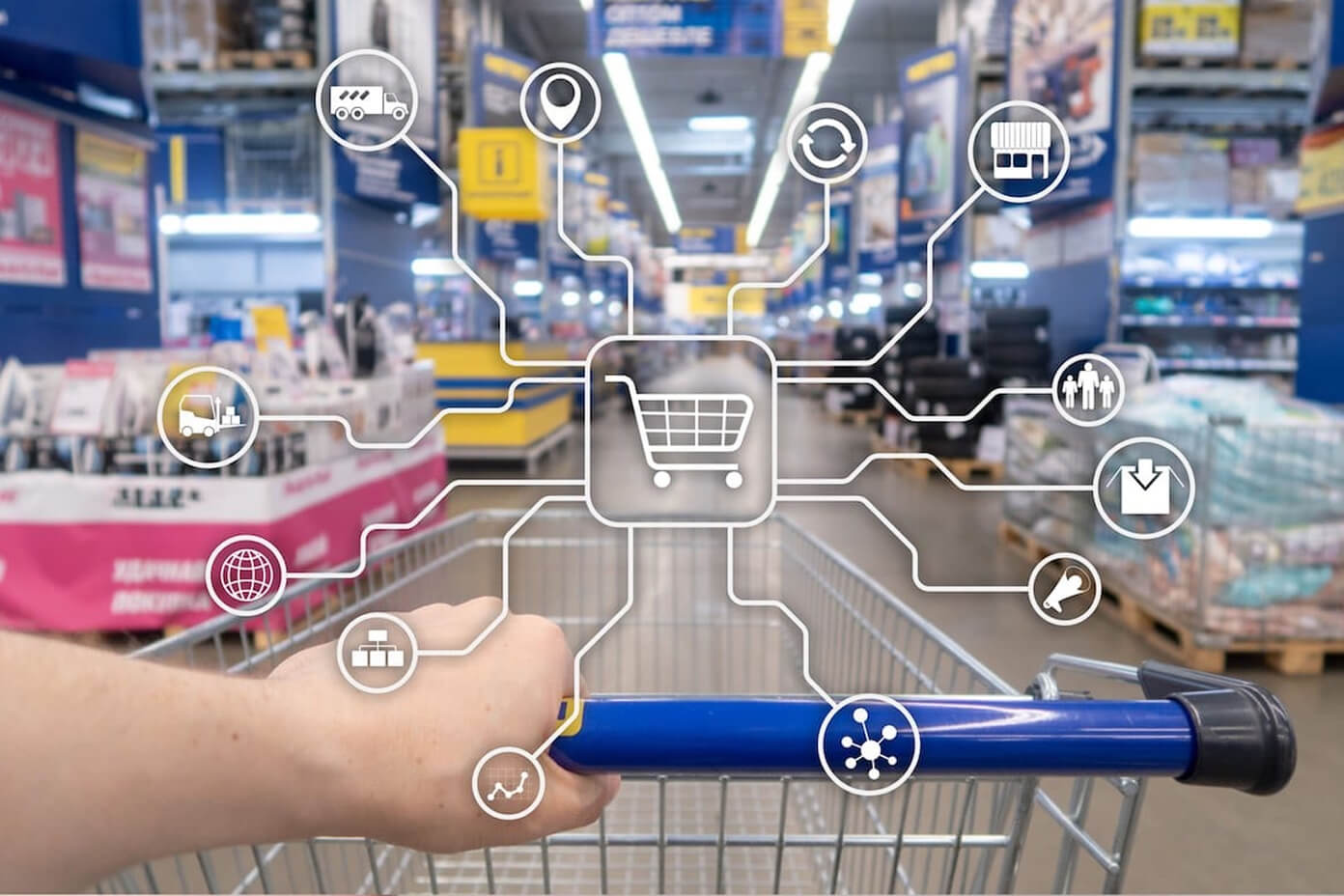
Tech like AI and IoT help retail already. Using them together is super strong. These systems solve staffing problems. Staff watch less, do harder jobs. Stores with this real-time data win. They beat stores using old methods easily.
Shopping points are now everywhere. Smart self-service makes retail borderless. It moves buying beyond just shops. This changes where and how stores work. Getting sales happens spontaneously now. Customers don’t need a store visit.
New tech makes commerce unattached. Smart systems fit into daily life. Sales points appear where people are. This could be in an office building. Maybe a home complex or transport spots. Anywhere people need something now works. This fits how customers live today.
Read more about: The Complex Landscape of Food Policy and Nutrition: Balancing Access, Affordability, and Health
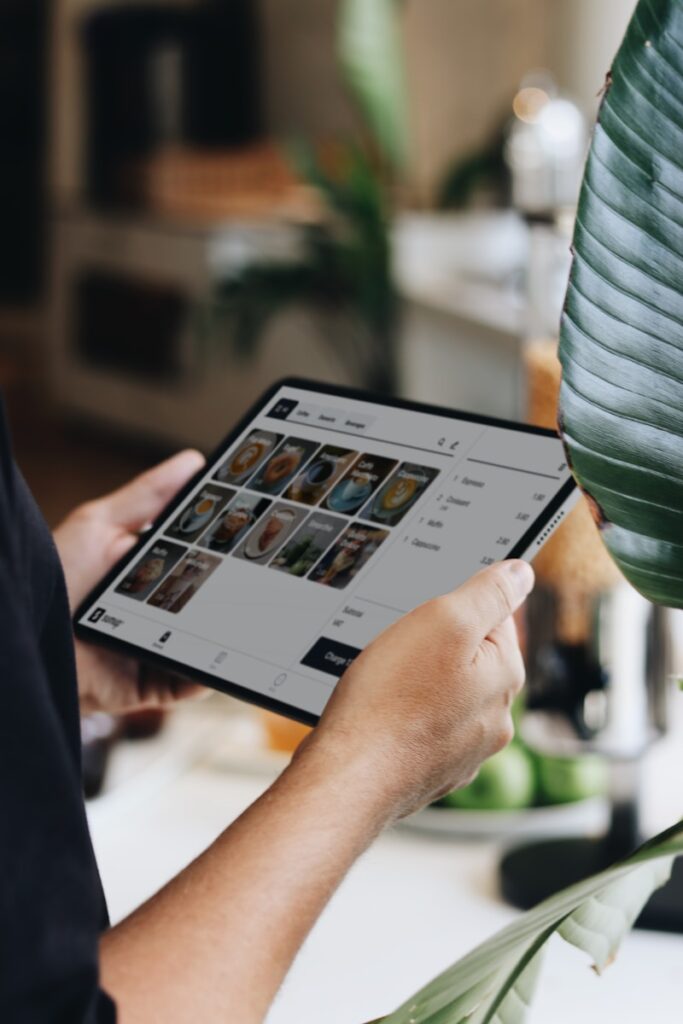
Growing the business changes greatly. Smart store units cost less cash. They need less space than usual shops. Putting stores in new places becomes easier. Like senior homes for residents needs. People don’t need to travel away.
These strategies aren’t limited to small retailers; larger brands can also adopt smart solutions to expand their reach and effectively place products in locations where customers need them. This approach enhances both online and physical store strategies, driving revenue growth by meeting consumer demand where it exists.
Real examples show good money return. One car dealer tried a smart store. Their sales went up a lot. Money from sales was much higher fast. Stuff getting stolen dropped to none. College campus saw amazing sales jumps. Weekly sales were way, way up there. Filling smart stores is fast too. These show smart retail gives lots back.
Businesses ready for this change have guidance. Experts offer steps to do this right. First, check current store numbers. See sales, stock speed, and worker costs. Set clear goals for new systems. Know if you want less theft or more sales. This measures system success later on.
Read more about: Beyond the Bank Balance: Why Building an Emergency Fund Feels Impossible (And Why You Still Absolutely Should)
Next, pick where to put systems first. Choose places losing most stuff. Or spots with hard staffing issues. Start with expensive items locked up. This cuts theft fast for sure. It also fixes a big shopper complaint. Trying it first builds confidence for more.
Establishing interconnected data systems is a vital step in this process; aligning information from smart units with inventory and customer platforms enables rapid adjustments to stock levels, ensuring that local preferences are met more accurately than manual checks allow, ultimately leading to a more precise inventory management system.
Finally, it’s essential to expand strategically into new locations by placing smart units where they are most needed, especially in areas where traditional stores may struggle to fit in. By continuously adapting stock based on data from these locations and experimenting with different products, retailers can discover the best methods to attract new shoppers and enhance overall shopping experiences.
Read more about: Retailers Point to Theft, But Complex Data Clouds Picture of Business Losses and Closures
A top person from Cantaloupe spoke. Jeff Dumbrell said tech breaks barriers. It helps stores and operators greatly. Sales go up and theft goes down. Store work becomes more effective. Putting buying right where people are helps. Smart retail meets customers directly there. This brings money in and good return. It’s not just fixing old problems now. It is moving ahead strong for retail future. Using smart unattended retail is the path. It unlocks growth without limits. Retail’s future is smart and flexible. It fits into everyday life smoothly. Data and technology drive this shift.
Related posts:
Overcoming Retail Challenges: Smart Stores to the Rescue
Self-checkout reckoning: Retailers reassessing strategy
Dollar General is taking checkout back out of your hands because of theft