
Lotteries present odds so slim they make getting struck by lightning seem likely by comparison, and winning life-changing sums of money can often feel like a distant dream for most players; however, for one man, these overwhelming odds were merely a puzzle that he could unravel through mathematics. Stefan Mandel, an economist turned weekend mathematician, didn’t just challenge the odds; he completely obliterated them, achieving the extraordinary feat of winning the lottery 14 times, a story that revolves around a brilliant mathematical system he ingeniously developed to outsmart a game designed to be unwinnable.
His story starts in communist Romania during the 1960s timeframe. Supporting a family on a tiny salary was very daunting for Mandel’s situation. He made only $88 each month, giving little hope for a better life. Escaping from the communist country felt quite impossible then. Facing bad choices, Mandel looked for another path entirely. He used his intellectual abilities seeking a solution for his problems. Mandel saw the lottery as a probabilistic system, not pure chance at all.
Mandel’s core idea was simple in principle, yet very complex working it out. He knew each lottery draw had a finite, calculable number of combinations possible. His strategy compared this total combination number to the jackpot prize size. If the prize got large enough to cover buying every single ticket, a profit path emerged naturally. He looked for jackpots at least three times bigger than potential total ticket cost. A game picking six numbers from 1 to 40 has 3,838,380 combinations exactly. This calculation formed his ambitious scheme’s mathematical foundation.

To tackle the financial barriers of entering the lottery, Mandel realized he needed to form syndicates, as he lacked the necessary capital to go it alone; by pooling together the funds of investors, he could cover the substantial ticket costs. His first venture took place in Romania, where he collaborated with friends, and their initial win yielded a modest cash prize of about $19,300, which, while seeming small, became a pivotal moment in his journey, allowing him to pay back his investors and ultimately escape Romania with around $4,000 left—a sum that proved crucial for his future plans.
After escaping, Mandel’s operation grew, first in the U.K., then Australia. This happened significantly during the 1970s and 80s era there. Early stages were very labor-intensive, needing much hand writing tickets. Manually writing millions numbers risked errors constantly he found. This limitation constrained his scale and efficiency overall then. Margins on early wins were often not huge amounts for him at all. A $1.3 million win left just $97,000 profit remaining after payouts.
Settling in Melbourne helped Mandel perfect his system and scale operations bigger. The 1980s brought key technology, widespread availability of computers now. This development dramatically simplified logistical challenges he faced greatly then. Instead of writing by hand, machines printed millions tickets fast. This automation transformed his ventures scale potential quite a bit. The bottleneck shifted from writing to getting tickets processed faster too.
Operating from Australia, Mandel’s syndicate had great success then you know. During the 1980s, they hit 12 jackpots plus more other prizes there. They secured over $400,000 extra from other winning tickets too also. This success came from a system targeting specific lotteries based on his formula exactly. He established formal structures for his ventures business operations now. This included Pacific Financial Resources company and an ILF trust also. These structures helped manage thousands investors contributing funds needed quickly.
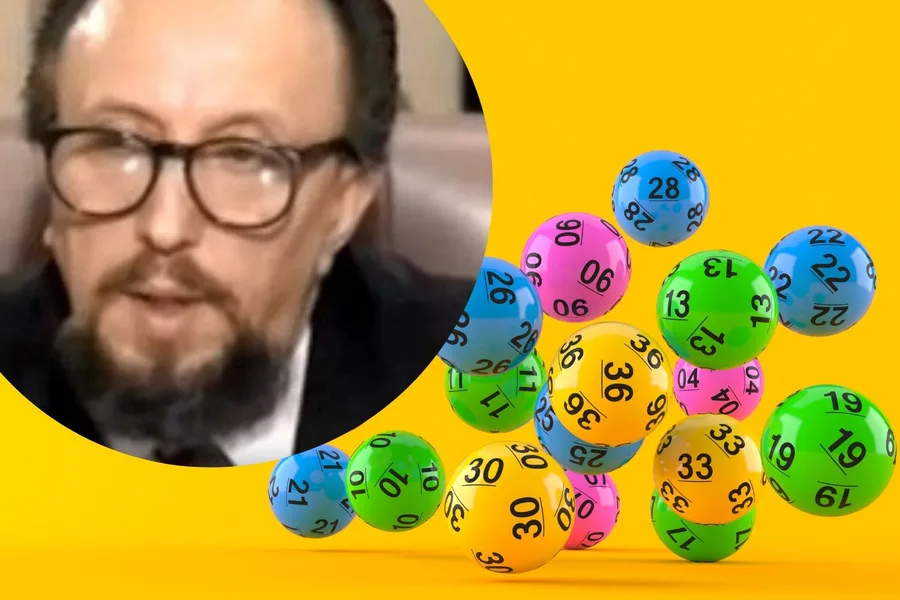
As Mandel shifted his focus to Australia, the scale of his lottery operations expanded significantly; he established a warehouse where a dedicated team worked tirelessly to print lottery tickets. In one remarkable instance, 16 employees managed to print an astonishing 7 million tickets within a mere three months, demonstrating not only the complexity of coordinating such a massive effort but also the logistical challenges involved in managing and distributing millions of tickets to various dealers, showcasing the intricate logistics essential to the success of his mathematical strategy.
Mandel’s plan involved extensive research, not just calculation only there. His team gathered past lottery data searching for targets best now. They sought jackpots larger than buying all combinations total needed. They prioritized lotteries based on jackpot size versus combinations needed too. Focusing value ensured big profits after enormous expense now there. This paid investors and left Mandel a substantial sum amount for him. His math method, ‘combinatorial condensation,’ optimized prices very well always.
His method used sound math and great logistics organization always. Its legality, or ‘spirit’ adherence, started getting attention soon enough there. Australian authorities grew suspicious as Mandel’s syndicate won repeatedly now there. His tactics were legal then but challenged the game’s nature entirely. This attention led changing Australian lottery laws quickly after all that. Laws banned bulk purchasing and computer printed tickets completely here now. These changes made his specific methods impossible within Australia finally for good.
Mandel’s method worked due calculated risk taking done carefully now. He understood probabilities deeply, not just theory only now there. He said he takes risks but calculates them always you see. He used beard trimming as simple analogy for this thinking too. Getting cut or infected is possible, but chances favor him instead totally. This mindset shows his math genius and daring combined well for sure. His Australian wins proved the model repeatable and scalable anywhere else.

Persistent pursuit defined Mandel’s journey completely over time at all. He adapted to law changes and used technology improvements faster now. His method evolved but core principle stayed same always there. Find the math edge, raise capital, cover combinations needed always for him. Success in Australia built his reputation for future plays too now. Laws closing loopholes pushed his team scouting new places fast now. They sought targets with favorable combination to jackpot ratio he needed always.
Prep work for major lottery operations was immense effort always needed. Raising cash for millions tickets needed convincing many investors he found too. They had to trust a system sounding quite improbable to most people. Mandel gathered thousands investors over years convincing them math worked always. Organizing syndicates and managing expectations was crucial indeed for him. Transition from small to big wins happened gradually for them quickly. It meant building capital, logistics, and trust there finally involved too.
The ultimate target lay across the Pacific after Australia rule changes now. Mandel’s systematic approach was poised for a grander stage there too. Logistical challenges were immense crossing international borders and more always. But the math principle stayed same always you know well there. Identify target, calculate cost, raise funds, execute the buy quick now. His success history built investor confidence despite scrutiny too now clearly. The stage was set for his quest culmination finally for him.
With the rapid changes in Australian lottery regulations, it became clear that Mandel’s meticulously crafted system needed to adapt to a new environment; while his success in Australia validated his model, it also exposed vulnerabilities to legal alterations. The prohibition of bulk ticket purchases and computer printing prompted Mandel and his network to search for new lottery opportunities where hefty jackpots could still be aligned with reasonable costs, kicking off a quest for venues where his mathematical edge remained intact amidst evolving laws.

Their research pinpointed a target across the vast Pacific Ocean, the Virginia state lottery. By 1992, this specific game presented almost perfect factors for Mandel’s method. The jackpot had swelled to twenty-seven million dollars, providing ample financial room for covering costs. Importantly, Virginia rules then allowed bulk ticket purchases and home printing of playslips. This bypassed the huge problem of filling out millions of tickets manually.
Executing the ambitious Virginia project marked a remarkable achievement in coordination and planning, as around seven million tickets were needed to cover every possible combination; this endeavor required a massive financial investment and showcased the level of trust that had developed among the 2,524 investors who joined Mandel’s project over the years. Their confidence in his proven system was a testament to the credibility he had built through his previous successes.
Once the funds were in place, the next critical phase involved rapidly printing millions of tickets, mirroring the operations of the Australian warehouse; a dedicated team sprang into action, diligently working to produce approximately seven million tickets. In Australia, Mandel had shown that a team of just sixteen employees could print seven million tickets within three months, and now his trusted associate, Anithalee Alex, took charge of ensuring the timely delivery of tickets to dealers across the state, showcasing their meticulous planning and execution.

This final step introduced unique challenges for everyone. Alex oversaw processing seven million from over one hundred stores across Virginia. Imagine syndicate members arriving with boxes of pre-printed tickets at small stores. Store clerks naturally balked seeing so many tickets arriving. But buying millions of single tickets were not illegal then. The plan moved ahead within the current legal framework.
When the highly anticipated lottery draw took place in February 1992, the calculated risks taken by Mandel and his syndicate paid off handsomely, as they held the winning combination of numbers; his innovative method not only secured the jackpot but also ensured wins across various prize tiers, instilling confidence in his ability to predict outcomes and resulting in a precise tally of his multi-tiered success. The excitement of winning reinforced the validity of his strategy and showcased the power of mathematics in such unpredictable games.
However, the unprecedented nature of such calculated success quickly drew the scrutiny of authorities, as officials became suspicious of how one syndicate could consistently defy the astronomical odds with such precision. Investigators in Australia, who were already familiar with Mandel’s past exploits, wasted no time in informing Virginia Lottery officials, as claims surfaced linking Mandel’s operations to allegations of wrongdoing or organized crime, raising eyebrows over what many perceived as a deliberate exploitation of loopholes in the system.

This suspicion triggered investigations by multiple agencies. The CIA and FBI both looked into the matter. Mandel and his group found themselves facing lengthy legal battles lasting years. Despite intense investigation, they were ultimately cleared of criminal wrongdoing. They had simply played the game according to the rules existing.
Yet, being legally exonerated did not equate to a smooth path ahead; the extensive legal battles that ensued took a significant toll on Mandel’s finances, as the mounting costs associated with defending against federal investigations drained his resources alarmingly. This prolonged legal and financial turmoil ultimately culminated in his bankruptcy in 1995, alongside the unfortunate collapse of his insurance company, which only added to his troubles during that challenging period.
Following bankruptcy, Mandel reportedly spent a decade running various investment schemes. Intense scrutiny made big lottery operations less appealing and harder. His pioneering methods had permanently altered the landscape where he operated. The Virginia victory spurred significant rule changes throughout the United States.
The US quickly moved to close the exploited loopholes. New laws banned bulk purchases by individuals or groups. Using computer-generated or home-printed tickets also became illegal. These legislative changes made Mandel’s methodical approach impossible legally. The era of his specific lottery ‘hack’ ended directly due to his success.
Today, the once-renowned lottery expert leads a vastly different life; after navigating through a series of extraordinary successes and the subsequent challenges that followed, Stefan Mandel has chosen to retire completely from the high-stakes world of lotteries. Now living a quieter life on the serene island of Vanuatu, he enjoys the tranquility and peace that his tropical surroundings provide, far removed from the intense pressures and scrutiny of his past endeavors.
Related posts:
How to win the lottery, according to a Romanian-born mathematician who hacked the system, won 14 times, and retired on a remote tropical island
How a Romanian mathematician hacked the system and won the lottery 14 times
Man who won lottery 14 times explains simple math he used to beat the system