

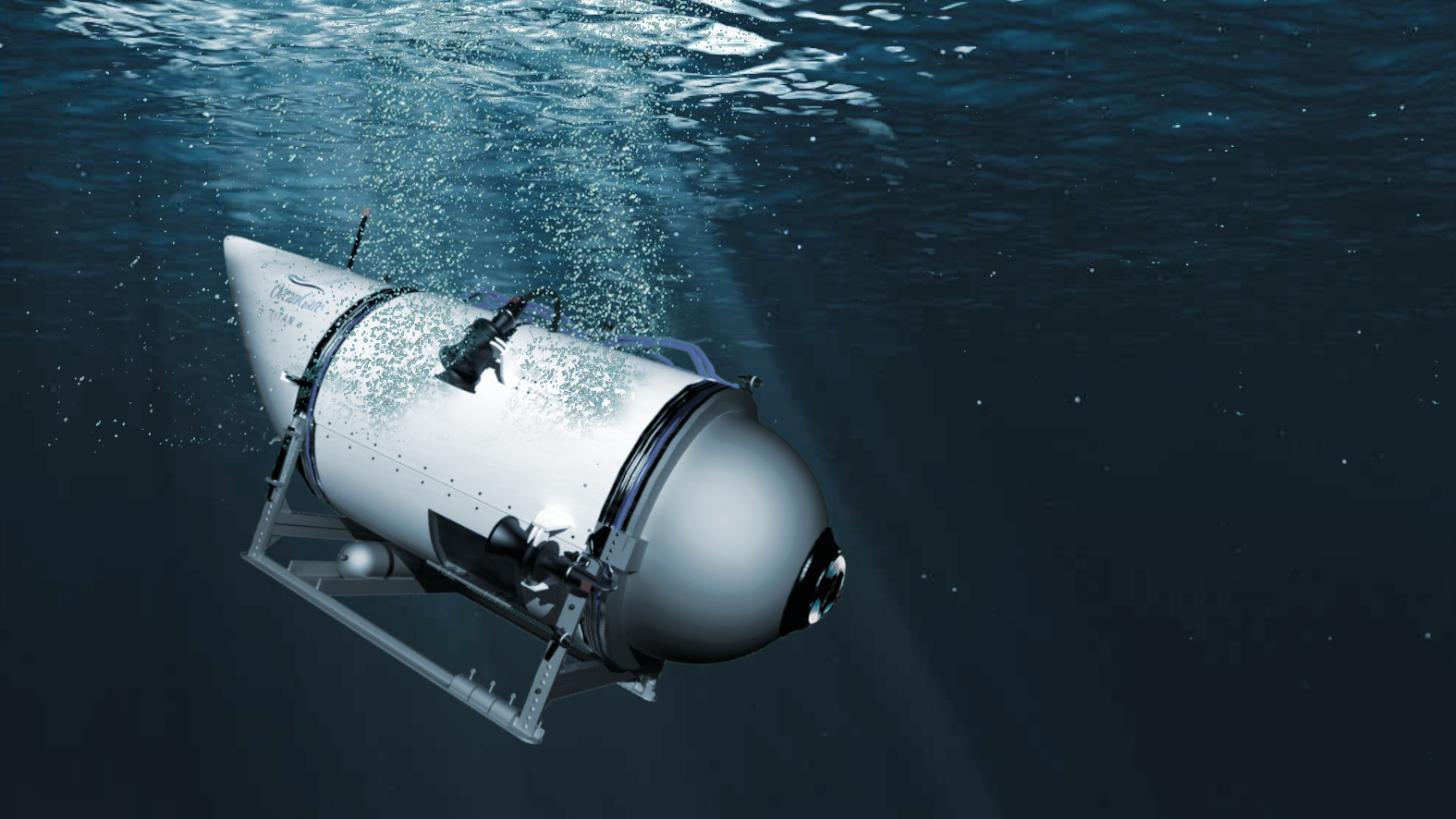
It’s been a year since the Titan submersible tragedy, a heartbreaking event forever etched in public consciousness. On June 18, 2023, five brave men set off on a daring expedition to explore the Titanic wreck, a journey that took a tragic turn when communication with the OceanGate sub was lost, leaving the world in suspense as hopes faded during a massive search and rescue operation.
A glimmer of hope emerged with reports of rhythmic banging detected every 30 minutes, but it ultimately proved futile. The five onboard included OceanGate CEO Stockton Rush, British billionaire Hamish Harding, Titanic expert Paul-Henri Nargeolet, and the father-son duo Shahzada and Suleman Dawood, whose fatal dive ended in a devastating implosion, a catastrophic failure under immense pressure that shocked and saddened people globally.
A year on from this devastating event, a series of details have emerged, many highlighted during recent public hearings, suggesting that the Titan submersible, primarily masterminded by Stockton Rush, may have been an ‘accident waiting to happen.’ Evidence points to multiple individuals having reportedly warned Rush about the vessel’s safety.
Central to the concerns raised about the Titan’s design was its piloting system. Many arguably considered Rush’s decision to steer the vessel with a Logitech G F710 Wireless Gamepad, a device typically used for video games, particularly questionable. The OceanGate CEO was quoted as stating that steering the vessel “shouldn’t take a lot of skill.”
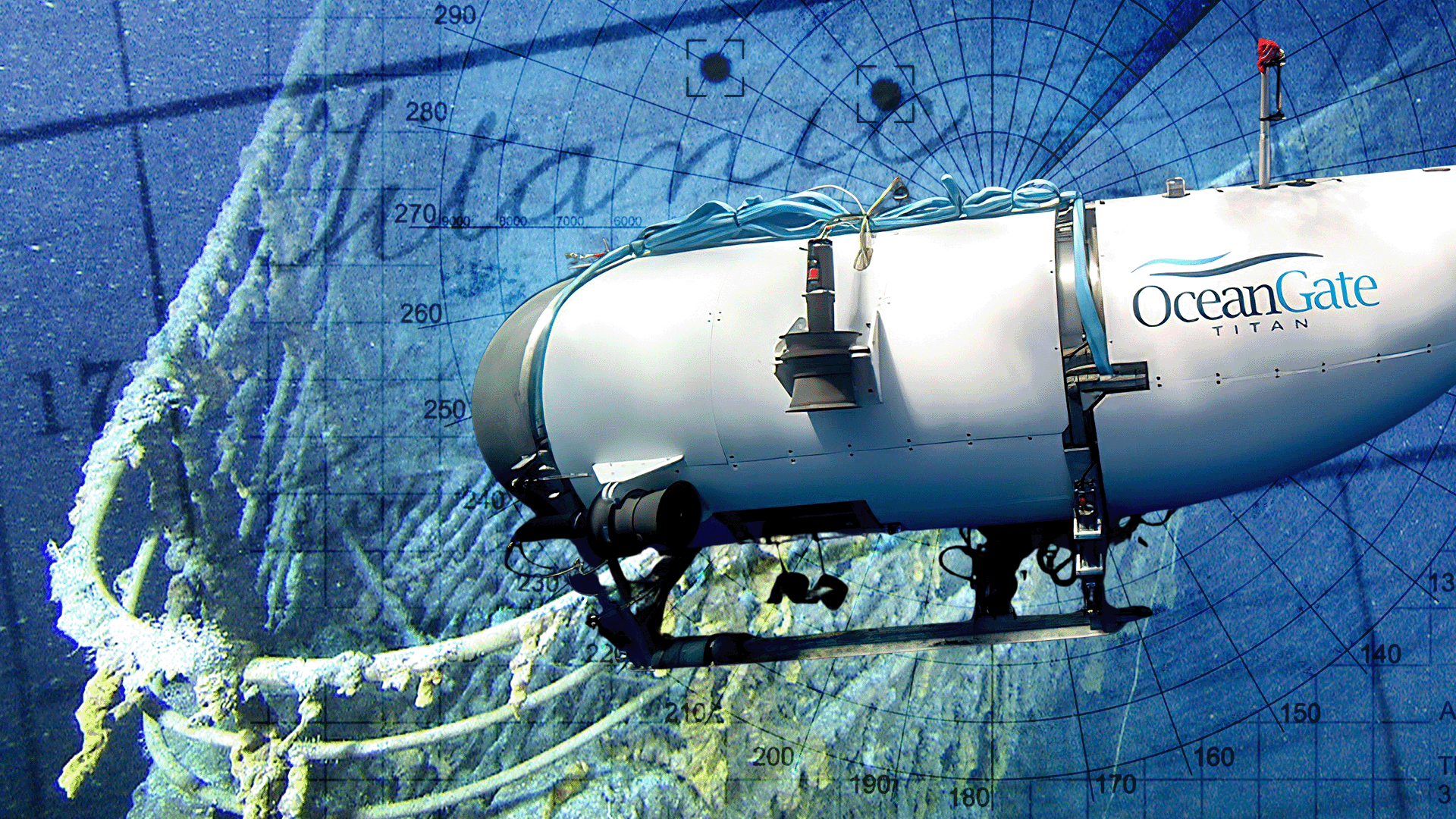
This controller, powered by two AA batteries, was viewed by experts as an unreliable piece of equipment for such a critical application. While some pointed out that manned and unmanned aircraft sometimes employ similar devices, Steve Wright, an associate professor of aerospace engineering at the University of the West of England, conveyed to CBS News that a proper steering mechanism would have been a much safer alternative. He stated, “I would expect the ‘real’ submersible controller to have a reliability of about one thousand times that of the games handset.”
Beyond the control system, the Titan was notable for its lack of space and comfort, especially considering its intended eight-hour dives to the Titanic wreckage. Measuring just 670cm x 280cm x 250cm, the vessel offered confined quarters for the five men. There were no seats inside, requiring the group to sit on the floor with very limited room for movement.
Given the cramped conditions inside the submersible, passengers were advised to limit their food intake to minimize bathroom usage, an unsettling necessity for a journey to the depths of the ocean. This limitation highlighted the Spartan and uncomfortable environment within the Titan, raising more questions about the design’s suitability for such an extreme expedition.
The choice of materials used in the Titan’s construction ignited fierce discussions within the industry. The hull was controversially made from carbon fibre, a substance deemed ‘experimental’ for deep-sea explorations, and subsequent research from the University of Houston a year later underscored that this material selection could have been a catastrophic miscalculation.

A study published in the journal of the National Academy of Sciences (PNAS) explained that imperfections inherent in thin-walled structures, such as the Titan sub’s hull, could lead to serious damage under the immense pressures found in the ocean depths. Roberto Ballarini, the research lead and professor of civil and environmental engineering, further explained that the impact of previous dives could have made the carbon fibre hull more susceptible to ‘micro-buckling’ under intense pressure. Despite this research, the official cause of the implosion has not yet been definitively determined.
Additional criticisms were levelled against many of the components used in the sub’s construction, which others described as ‘flimsy and fragile.’ Former Royal Navy admiral Chris Parry remarked that you could acquire most of the materials “from Amazon,” suggesting a perceived lack of high-grade, purpose-built components.
Imagining the final moments of the five men aboard the Titan is hauntingly distressing, especially considering the conditions they faced. Christine Dawood, wife and mother to Shahzada and Suleman, revealed that with floodlights off to save battery, the vessel sank into darkness, heightening the sense of despair during their last moments.

The only source of light likely came from computer screens, glow pens for logging data, and perhaps the faint glow of bioluminescent creatures outside the viewport. However, CBS journalist David Pogue, who had previously dived with Titan, painted a starkly different picture, describing the interior’s illumination as merely ‘camping lights’ on the ceiling and mentioning the use of budget security cameras for visibility.
Pogue candidly expressed having ‘some qualms’ before the dive, noting how many components felt ‘off-the-shelf’ and ‘improvised.’ This feeling echoed a broader unease within the diving community regarding the Titan’s construction and its preparedness for such risky deep-sea missions.
Despite Stockton Rush’s apparent assurance during the June 2023 dive, experts now argue he overlooked significant warning signs from previous voyages. Arthur Loibl, who had experienced diving in Titan to the Titanic wreck in August 2021, reflected on his good fortune in surviving, declaring the vessel to be ‘not safe’ for such perilous adventures.
Loibl alleged that his dive was delayed by five hours due to electrical problems before parts of the sub began to crumble off during the descent. YouTuber Alan Estrada experienced another issue during a July 2022 dive when the Titan’s battery life suddenly depleted, forcing the group to abort their voyage and return to the surface prematurely.

Josh Gates, who also visited the Titanic wreckage area in 2021, stated that the sub “did not perform well” during his time onboard. He further claimed that he “walked away from a huge opportunity to film Titanic due to my safety concerns with OceanGate.”
A major point of controversy surrounding the Titan was OceanGate’s choice to bypass independent inspection for the vessel’s classification. Such classification ensures submersibles adhere to critical technical standards, yet often entails a lengthy procedural process that OceanGate opted to avoid, according to their rationale published in a 2019 blog post.
They argued that classification would not “ensure that operators adhere to proper operating procedures and decision-making processes – two areas that are much more important for mitigating risks at sea.” Furthermore, they stated that while classing agencies were open to certifying innovative designs, they often had a “multi-year approval cycle due to a lack of pre-existing standards,” which they saw as “anathema to rapid innovation.”
Many industry professionals believe that independent assessments could have provided a safety net that might have prevented last year’s tragedy. The absence of this essential industry practice raised profound concerns among deep-sea experts about the safety protocols in place for such dangerous explorations.
Related posts:
Experts share all ‘red flag’ signs that Titan sub was set for failure from the beginning
Titan sub disaster: Five key questions that remain
Titan submersible implosion: A haunting final message and other takeaways from the Coast Guard inquiry


