Money is a crucial part of our everyday lives, influencing everything from our daily coffee purchases to our long-term retirement savings decisions. Despite its significance, many Americans struggle with financial literacy, often navigating complex financial choices without effective guidance.
Not understanding finances correctly truly costs people real cash today. Bad financial decisions due to lack of knowledge pile up costs significantly. This unfortunately hits people’s pockets and also the country’s economy badly. Lots of folks assume basic money ideas are widely known by others. Many think money basics are known, but studies say otherwise completely. A big knowledge gap exists even when people feel quite confident about finances.
But good news about this financial situation does appear to exist. The complex problem is now slowly getting noticed by many people. Concerted efforts are currently underway to start making some specific changes. Kids are getting skills adults wished they had learned much earlier in their lives. This report examines crucial key money lessons that often get missed by many. We will see why those important lessons are very important for success.

1. The High Cost of Not Knowing: Financial Illiteracy’s Annual Toll Financial illiteracy truly has a real concrete price tag on people. It is not just a hard, abstract idea for people to think about deeply. This knowledge gap costs normal Americans around $1,015 every single year. That is actual money people could easily save or just invest now. Money simply vanishes due to bad financial habits and poor choices often. Avoidable fees also take away hard-earned money from people too.
On a national level, the money costs are very shocking and impactful. It hit about $243 billion across the nation every single year. Its effects go into people’s jobs also, very much according to experts. Money worries at work hurt how much people do very much overall. This affects how well businesses and the economy do every day. Stress from money problems harms people’s overall mental well-being daily.

2. The “Big Three” Blind Spot: Many Adults Miss Basic Concepts Many adults find basic financial ideas hard to understand nowadays. They struggle with things the Federal Reserve names “Big Three” topics. Inflation is another key concept everyone must know for the future. Risk diversification completes the important group of three concepts well. These ideas help people save, invest, and borrow smartly very much. It is sad that only 35% of adults know all three in the 2022 study.
On average, adults correctly answer only about 1.8 questions in financial quizzes, indicating a shaky grasp on essential money concepts. This finding isn’t an isolated incident; numerous studies corroborate this trend, revealing that over half of Americans consistently fail basic financial quizzes. With an average score of just 46 percent, this lack of understanding remains a persistent issue across generations.

3. Confidence vs. Competence: The Dangerous Gap in Self-Assessment Perhaps the most surprising finding is how people judge themselves. What people think they know about money differs greatly always. It differs from what they actually understand well for finances. Lots of individuals rate their money knowledge very high up indeed. Test results tell a totally other story entirely instead. Most folks think they manage their money just fine nowadays. They rate their knowledge way above their actual scores.
This gap between knowing and feeling confident is particularly risky. Trusting your own understanding too much proves bad for money choices. People will make worse financial choices than probably always. Studies show people know less money than they think, honestly. Many studies support this particular fact strongly and clearly. This overconfidence always adds right to their financial costs directly.

Not everyone experiences financial literacy challenges equally; disparities in understanding reveal significant gaps among various societal groups. Factors such as income, education level, race, gender, and age greatly influence one’s financial knowledge, determining who has access to crucial money information and who struggles to keep up.
Research has long demonstrated a strong correlation between education, income, and financial knowledge. Typically, individuals with higher incomes report greater financial understanding compared to those in lower income brackets. Similarly, educational attainment plays a large role, with those lacking high school diplomas scoring significantly lower on financial literacy assessments, perpetuating a cycle of financial inequality.
Gaps show up along race and gender lines also, importantly. White adults tend to understand money topics more often generally. Black or Hispanic adults are understood less often by reports, sadly. Women generally score lower on money tests versus men always. Experts think this is because there was less chance earlier on for them, sadly. Younger generations have worries too, like Gen Z, especially nowadays. Gen Z gets lower scores on new money questions recently and clearly.
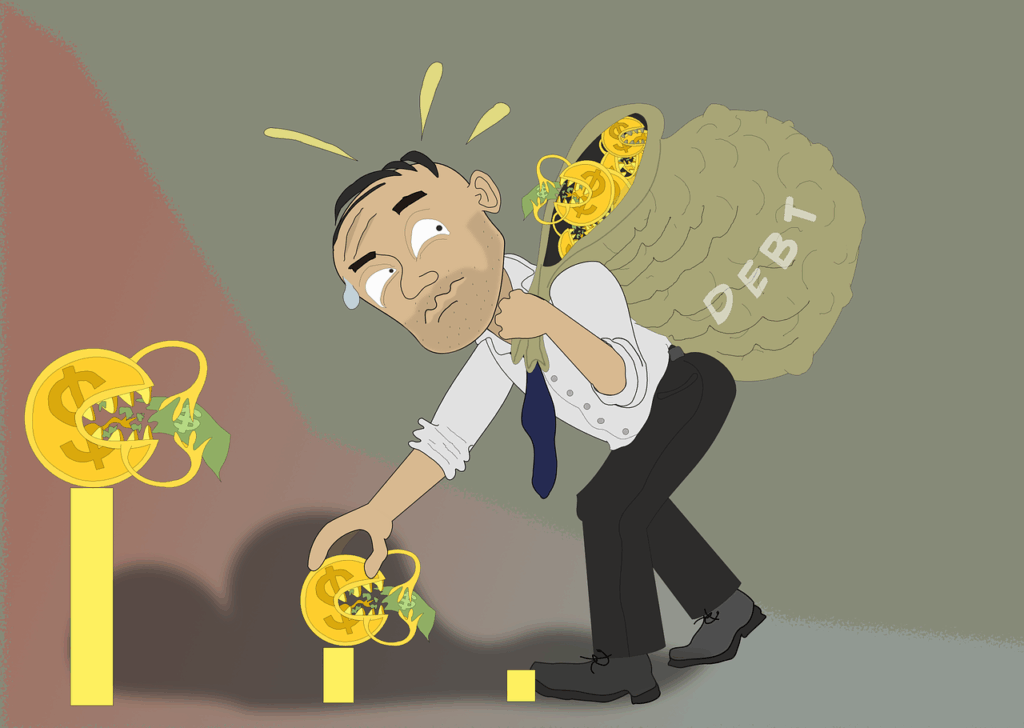
5. The Individual Burden: Debt, Lack of Savings, and Stress Low money, knowing, truly impacts people very deeply, always unfortunately. People who understand little about finances get more debt quickly now. They often have a hard time making budget plans that actually work for them. Sticking to simple budgets proves difficult for them also every single month. They miss chances for borrowing money smartly at lower cost generally. High-interest credit is a trap they fall inside quite easily, unfortunately. This makes escaping debt much, much harder indeed for their future stability.
Besides debt, not knowing money hurts future readiness too, unfortunately. They are not ready for surprises or what is coming down the road. Folks with low money skills often lack savings fast, maybe always. No emergency money makes them weak when costs pop up unexpectedly. They are usually not ready when retirement time happens, sadly for them. Not knowing money causes lots of stress inside people every single day. These problems show how important money skills truly are for everyone.
6. The Ripple Effect: Financial Illiteracy’s National Economic Drag Financial illiteracy effects go outside people’s homes too often. It hurts the entire country’s money system overall deeply, unfortunately. That $243 billion yearly cost is huge wealth lost, actually, now. Wealth gets mismanaged or just disappears for many folks every year. This big loss removes money from people everywhere, always sadly. That money could always make the country’s economy run stronger. It led to less spending and less investing by folks, sadly, always.
Workplace financial stress can severely impact productivity, affecting not only individual performance but also company efficiency and the broader economy. When employees struggle with financial worries, their ability to focus diminishes, ultimately hindering their job performance. These personal financial challenges contribute to increasing social inequality, stressing the underlying economic system and calling for urgent improvements in financial literacy across the nation.

7. A Shifting Landscape: The Surge in State Mandates for Financial Education People see how financial illiteracy costs lots of money, unfortunately, always. A big move is happening to fix this now, mainly in schools. They want to handle the problem where it starts at the root level. Schools are where the problem gets tackled first overall always. Many more states require money classes for graduation now every year. This is happening in high schools lately, fast across the nation. It shows a clear change prioritizing money skills for youths everywhere.
By 2024, 35 states need finance classes for graduation rules now, actually. This is a big jump from just 8 states before 2020. That jump has happened since the year 2020 very fast and constantly. More importantly, 26 states want their own standalone course now too. A separate course gives learning that is deeper and better for students. This provides instructions more focused on finances alone, always overall. Just adding lessons in other subjects is not the same at all, sadly.
The momentum for financial education reform has swiftly gained traction, with 12 states implementing new monetary regulations since 2022. Major states like California are leading the charge by introducing mandatory financial classes starting in the 2027-28 school year, reflecting a growing national awareness and support for enhanced financial education in schools.

8. The Proven Effectiveness of Financial Education Proof clearly shows personal finance teaching makes a real difference in people’s lives. Studies reveal students taking finance classes often get better money habits. These habits include building credit responsibly for future loans. It also helps avoid loan defaulting, which is quite bad. This key knowledge gives them a secure financial future starting out.
Proof clearly shows personal finance teaching makes a real difference in people’s lives. Studies reveal students taking finance classes often get better money habits. These habits include building credit responsibly for future loans. It also helps avoid loan defaulting, which is quite bad. This key knowledge gives them a secure financial future starting out.
Research shows that financial literacy promotes better saving habits, encouraging individuals to start emergency funds and contribute to retirement accounts sooner. Individuals who learn about money management tend to make wiser borrowing choices and use credit cards more judiciously, avoiding common pitfalls. The Federal Reserve has linked state-mandated education to observable changes in financial behavior, particularly in budgeting and debt management, with these benefits often most apparent in low-income communities.

9. Key Barriers to Wider Access and Implementation Despite clear pluses, a big challenge is most adults did not get formal finance training. Data shows just 29% report taking a high school course. This means the majority enter adulthood lacking crucial knowledge. They face complex money choices without it.
Despite clear pluses, a big challenge is most adults did not get formal finance training. Data shows just 29% report taking a high school course. This means the majority enter adulthood lacking crucial knowledge. They face complex money choices without it.
Another major hurdle is teachers not feeling ready. Many tasked with teaching money skills think they lack preparation. They often miss specific training or curriculum help. Some just feel unsure teaching these topics well. Adding to this, there is no universal standard nationwide. This makes consistency hard in what students learn. You cannot be sure they gain skills truly needed.
Putting new rules in place creates practical problems. Rolling out mandated education differs much from state to state, you find. Some states are just beginning this process now. In others, full teaching may need years more. Underfunded schools especially struggle to find needed resources. This includes teacher training and good curriculum materials. Finding dedicated time in packed student schedules stays difficult. Schools sometimes mix finance into other classes as a result.

10. Beyond Finance: The Broader Adulting Skill Gap The challenges young adults face today are not just about money knowledge. Many find they lack many practical life skills instead. Older generations might have learned these naturally at home. Or maybe they got them in earlier education settings too. This goes beyond understanding rates of interest. It includes daily things like cooking a meal without online help. Doing laundry right is another task. Even just confidently navigating a grocery store matters.
The challenges young adults face today are not just about money knowledge. Many find they lack many practical life skills instead. Older generations might have learned these naturally at home. Or maybe they got them in earlier education settings too. This goes beyond understanding rates of interest. It includes daily things like cooking a meal without online help. Doing laundry right is another task. Even just confidently navigating a grocery store matters.
This gap seen in basic ability led to new things appearing. Like “Adulting 101” crash courses or online kits from universities. These resources try to teach many skills to students. They cover budgeting for rent or stopping kitchen fires. Understanding healthy relationships gets covered too. Students themselves notice this gap greatly. They wish schools included more practical classes, actually. Learning to manage personal life alongside schoolworkwould help.
Experts notice today’s young adults often feel less independent somehow. They have fewer practical tools in their living toolbox, they see. This pattern is sometimes linked to more helicopter parenting styles. It might limit chances for solving problems alone, you think. Young people living with parents longer also might delay skill needs. If they do not get chances to make decisions or solve real problems earlier, it causes problems. They face challenges when suddenly living on their own for the first time.
11. The Need for Practical Skills in a Complex World Students increasingly say their high school education, while good academically, leaves them unprepared. Not ready for practical demands of everyday adult living situations. They feel sent into the world without knowing stuff. Things as basic as folding a fitted sheet, right? Or preparing a simple meal like roasting a chicken happens. This lack of practical know-how creates feelings of being lost. Lost once they meet the “real world” outside the structured school setting.
Students increasingly express that while their academic education is solid, they feel unprepared for the practical challenges of adult life. They often find themselves ill-equipped to handle everyday tasks, from folding fitted sheets to cooking a simple meal like roasting a chicken. This gap in practical knowledge can leave students feeling lost and overwhelmed as they transition to the realities of adult living.
A look back in history shows practical skills were common. Like those in older home economics classes they had. These covered cooking, cleaning, and sewing skills. Once a standard part of learning for many students, you know. No matter if you were a boy or a girl. The decline or removal of these classes left a space empty. While academic subjects are key, you need these everyday skills; they are vital too. Essential for living independently and just being well overall.
The consensus from student feedback highlights a pressing need for practical life skills alongside financial education. Just as ignorance of financial concepts can lead to monetary loss, a lack of basic life skills can create unnecessary hardships. Equipping young people with essential tools for both financial understanding and everyday life is crucial for navigating the complexities of adulthood successfully.
Moving ahead, the path for financial smarts and broader adult readiness in America seems important. The gap in knowledge is quite clear, you can see. Its costs are substantial, for sure. Yet there is clear energy growing to fix the issue straightaway. The rise in state-level rules for finance teaching in schools is real progress. It aims to give more students skills they will always use, you know. This shift feels significant for the future. It offers a small sign of hope for things getting better.
However, the journey toward better financial education is just beginning, with much work remaining to turn policies into effective practices. This endeavor requires dedicated efforts from educators to receive proper training, develop impactful curricula, and implement strategies to assess student understanding and skill acquisition. While challenges lie ahead, sustained commitment from schools and community leaders can empower the next generation to manage their finances confidently, ultimately fostering a healthier economy for all.
Related posts:
Financial literacy in America: Why the knowledge gap still costs us
It Seems That Many Young Adults Don’t Know That Credit Cards Aren’t ‘Free Money.’ Isn’t Knowing To Pay It Off Monthly Just Common Sense?
High schoolers will be required to learn personal finance if lawmakers pass bill