
Marketing holds tremendous power over our lives, shaping everything from our purchasing decisions to our core beliefs in subtle ways that often go unnoticed. It has the ability to transform ordinary products into gendered ‘essentials,’ spread harmful misinformation about drug safety, and even skew public perception on critical global issues. From toothpaste ads urging us to use more than necessary to brands of plastic bottles promoting convenience while masking their cost-cutting agendas, and industries downplaying climate change to safeguard profits, these strategies illustrate that marketing extends beyond mere product sales; it fundamentally molds our behavior, perceptions, and cultural norms.

1. **The Rise of Gendered Marketing for Everything**: Go into any food store or a place with drugs today. You find products sorted by gender; it is often very clear indeed. Packaging looks different, smells are not the same, and prices are often higher. This is for things that are basically the same item for sure. Makeup companies did this early, saying women needed different soap and razors.
But this did not stop just with those types of products. Recently some companies have tried this on many items now. These are everyday things you would not think need this kind of selling trick. Things like yogurt, perhaps, or maybe toothpaste you use each morning. Even handkerchiefs or some types of pens, they say. This plan creates a feeling of different needs for males and females. It makes separate product lines seem needed for customers. It often means different prices for the same products too. All of this is just so they can sell more things to everybody.
Let us now continue our look into marketing ideas that were not entirely truthful. These show how businesses try hard to get our money and attention. Sometimes the methods are very bold or quite subtle ones. These actions often become a normal part of everyday life.
Read more about: Activewear Rebels: How Comfort Became a Statement for Modern Women

2. **OxyContin: The Non-Addictive Lie**Imagine a really dangerous, untrue marketing claim. This involves the drug called OxyContin that was introduced. Its makers said it was a safer version of oxycodone. Specifically, they called it ‘**addictive-free**’ right from the start. This was a big claim since other similar opioids are known to be addictive. Doctors often prescribed it widely because of this supposed safety feature.
However, this particular promise was just not true at all. The medicine was actually very addictive, as it turned out. Promoting its safety widely helped cause a terrible opioid crisis. This led to sad results for very many people and communities. The company making it, Purdue Pharma, faced lawsuits later on. They received significant legal problems and had to pay settlements. This shows the high human cost from this sort of marketing untrue claim.

3. **Global Warming Denial: Protecting the Bottom Line**Let’s switch from health topics to the environment now. Another message pushed broadly talks about denying global warming or its effects. This is not a product myth in the usual sense of things. It’s a plan used to protect specific types of industries from rules. It also aims to stop changes in how consumers behave sometimes.
The reason companies push to deny climate change is clear. Their business models rely heavily on using fossil fuels. Industries like coal and oil fall into this group usually. Putting rules in place to fight climate change hurts their work. It also impacts their profit directly and quickly.
So, a story was made and shared widely. This story says global warming is not real or is exaggerated by many groups. This denial directly connects to rules hurting their ‘**bottom line**.’ It stands as a clear example of how company money goals can try to shape what the public thinks about big global issues that matter.
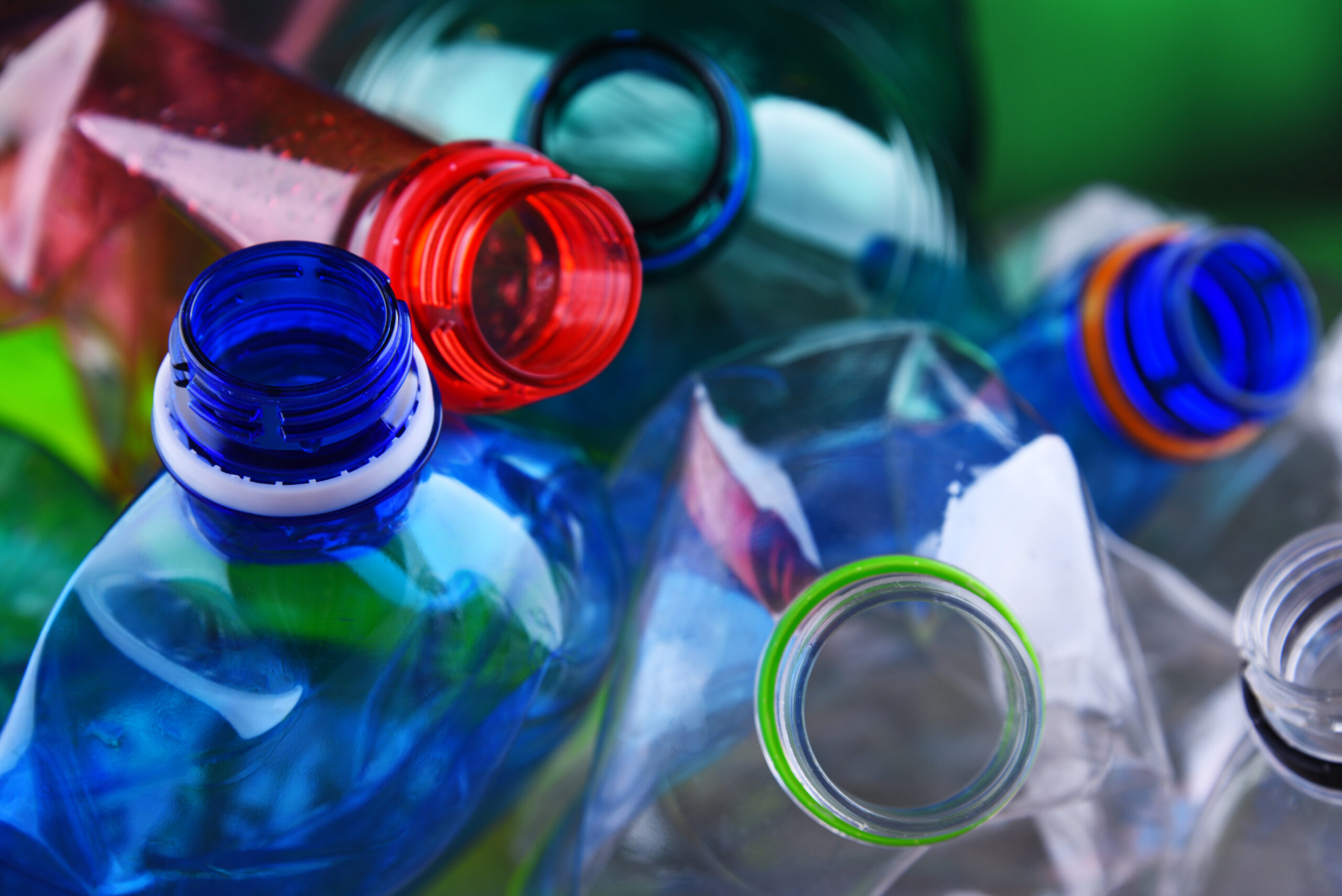
4. **Plastic Bottles: Convenience vs. Cost Saving**Just think about plastic bottles everywhere. We see them all around us quite often. People say their convenience is a big benefit for everyone involved. But switching from glass bottles that you reuse was not about making life easier. This switch was a planned move by drink companies trying to save money fast.
Soda businesses made this change first to lower their costs. Plastic costs less to make and also to move around than glass does. The old way of getting, cleaning, and filling glass bottles was costly for them. It was also hard to manage in terms of delivery systems. Then, they started marketing throwing the bottle away as a good thing for buyers.
As environmental concerns escalated, the accumulation of plastic waste became a pressing issue, leading to a shift in responsibility. In response, companies launched campaigns that conveniently shifted blame onto consumers, accusing them of littering and failing to dispose of plastic correctly. Over time, these businesses profited greatly from this transition, effectively transferring the burden of waste management entirely onto individual customers, while they continued to reap financial rewards.
Product on Amazon: IMPRESA Plastic Bottle with 6 Caps in 2 Styles – BPA Free Latex-Free, Food-Grade, Great for Shampoo, Body Wash, Sauce and More,3 Pack 16oz
Brand: IMPRESA
Binding: Tools & Home Improvement Product Group: Kitchen
Price: 13.77 USD
Features:
1. Reusable round 16oz plastic bottles made from BPA free, food grade material; Great for shampoo, body wash, cooking, and more
2. Comes with 3 flip spout caps and 3 press caps for easy dispensing of liquids
3. Hand wash and dishwasher safe; Do not microwave
4. Pack of 3 provides excellent value for home, school, business, and many other uses
5. Made by IMPRESA; Manufactured in China
Shopping on Amazon >>

5. **The Great Toothpaste Swirl**Most of us squeeze toothpaste onto our brushes without a second thought, covering the bristles completely—just like the perfect, minty stripe we see in TV ads, ready to tackle teeth cleaning.
In truth, the reality is quite straightforward: we actually need far less toothpaste than what is commonly advertised. Just a small pea-sized amount is sufficient to achieve effective cleaning of our teeth, debunking the myth perpetuated by commercials that showcase a fully loaded brush head as the norm.
The reason for this exaggerated visual is straightforward: it’s a tactic to sell more product. By making a large squeeze seem normal, companies ensure toothpaste tubes run empty faster, prompting people to buy replacements more often. It’s a subtle visual trick that quietly influences how much we use, boosting sales without us even noticing.
Product on Amazon: Fygg Nano Hydroxyapatite Toothpaste with Prebiotics | Fluoride & SLS Free with Hydroxyapatite | Remineralizing nHA Tooth Paste for Sensitive Teeth | Chocolate Swirl, 4 Oz
Brand: fygg
Binding: Product Group: Drugstore
Price: 14.99 USD
Features:
1. Healthy Smile, Healthy You: Fygg’s nano toothpaste hydroxyapatite is free from fluoride, SLS, and harsh ingredients; formulated with prebiotics and nano-HAp to nourish your mouth and body for a healthier, more vibrant smile
2. Supports Oral Microbiome Balance: The hydroxyapatite xylitol toothpaste is enriched with chicory root and L-arginine to nurture your oral microbiome; maintain a healthy oral environment for optimal oral health and fresher breath with this prebiotic toothpaste
3. Nano-Hydroxyapatite for Enamel Repair: Packed with nano-HAp, a vital component for teeth and bones; it helps remineralize teeth enamel, reduce decay, and alleviate tooth sensitivity, supporting long-term oral health and a stronger smile
4. Safe & Refreshing Non Fluoride Toothpaste: No fluoride, parabens, or artificial flavors; this remineralization toothpaste is safe to swallow with its gentle, Chocolate Swirl flavor and safe, biocompatible ingredients for a refreshing oral care routine
5. Gentle & Non-Irritating Formula: No burn, no foam—just a soothing, effective clean; this prebiotic nanohydroxyapatite toothpaste is designed to be gentle on your mouth while delivering the same enamel-strengthening benefits as traditional fluoride toothpaste
Shopping on Amazon >>
Read more about: Unleashing the Charm of Mature Age: Six Makeup Tips to Illuminate Your Exquisite Appearance

6. **Blame Shifting: Litter and Water**Sometimes marketing is not just about you buying things. It is about moving who is responsible for some problems. Have you ever felt bad about not recycling perfectly or using too much water? While individual actions do matter greatly, the story about caring for the environment was often shaped by those causing the biggest problems.
Large companies, often major polluters, really helped start anti-litter campaigns. This action made people focus on and blame individuals for keeping places clean instead of big industry pollution. Littering is surely not good behavior for anyone. But the amount of waste from factories is much bigger than what people produce individually.
The same thing happens with saving water resources. We are told taking faster showers helps, and fixing dripping sinks is important work. But industries like making things or farming use way more water by comparison. Marketing about using less water can seem like another way. It puts the problem onto people and takes focus from huge industrial water use and its effects.
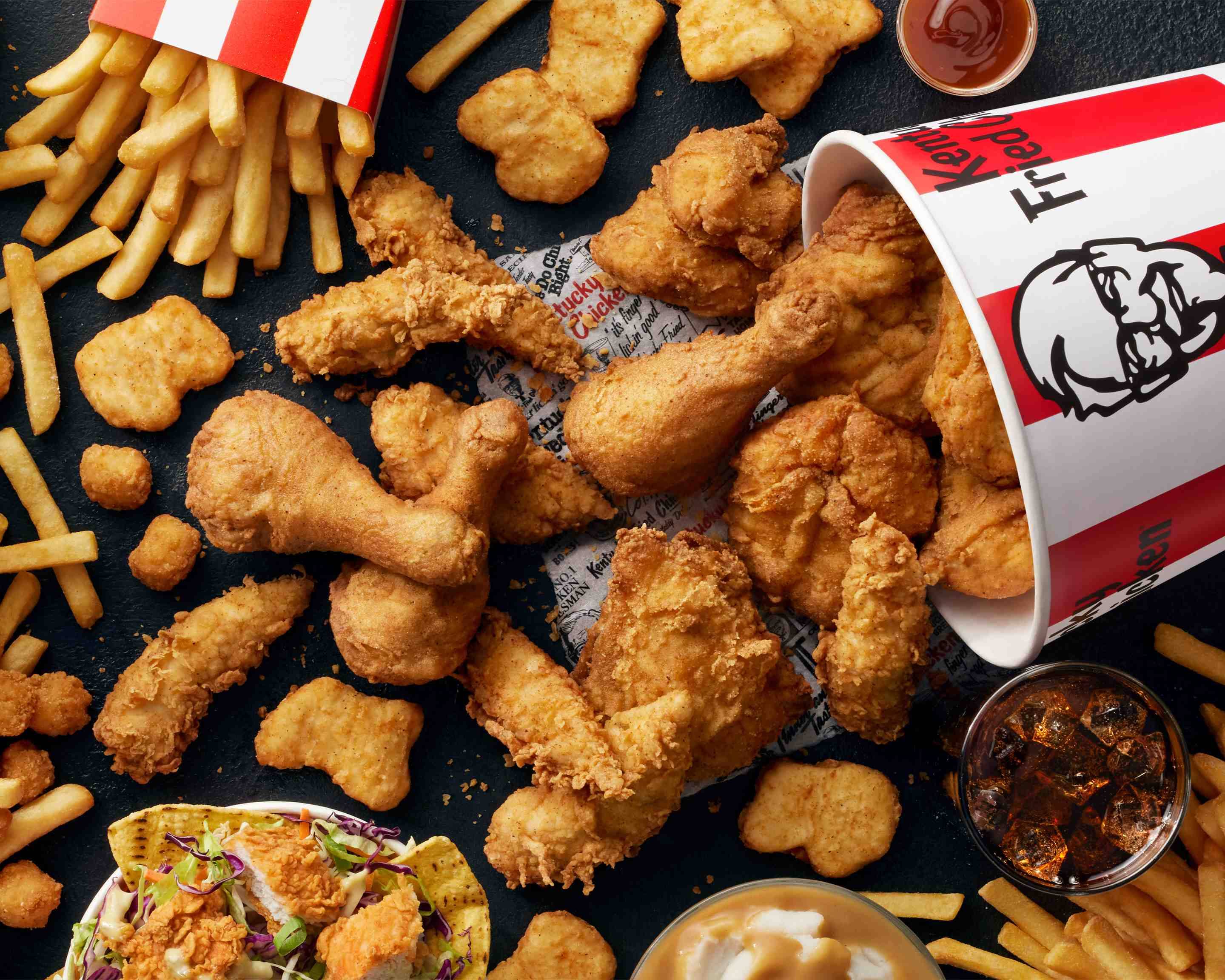
7. **KFC’s Japanese Christmas Tradition**Here is a happy story of how one random happening became a strong marketing tradition over there. In Japan, getting KFC for Christmas dinner is very popular and liked. Many families order their meal weeks early to make certain. It feels like a long-standing cultural thing to do now. Its start is quite new, though, and came from a marketing idea firmly.
The origin goes back to the 1970s time frame. The story says some American visitors in Japan could not find turkey for Christmas. They picked KFC fried chicken instead for their meal that day. A store manager there saw this, and it gave someone an idea inside the company.
Product on Amazon: Old World Christmas KFC Bucket of Chicken Glass Hanging Ornament
Brand: Old World Christmas
Binding: Kitchen Product Group: Home
Price: 27.99 USD
Features:
1. HAND-CRAFTED: Our Christmas Ornaments have been hand-crafted using age-old traditions that originated in the 1800s to bring you the highest quality ornaments for your tree
2. CLASSIC: Traditionally designed Christmas Decorations made from molten glass blown into finely carved molds
3. UNIQUE GIFTS: Ornaments are all hand-painted and glittered in a series of labor-intensive steps to achieve the beautiful creations
4. QUALITY: These Christmas tree ornaments are hand-crafted and mouth-blown to provide you with a beautifully crafted and high-quality ornament
5. VERSATILE: Our unique Christmas ornaments can be hung on your Christmas tree or will sit upright on a flat surface making this the perfect addition to your Christmas Décor
Shopping on Amazon >>
KFC’s team for marketing quickly used this story about tourists. They began saying KFC is the great Christmas meal for families there. They successfully made a tradition for everyone to follow easily. Through smart and steady promotion, they convinced people that fried chicken was a festive food item. This made a fast-food meal into a cultural event still popular today.
Related posts:
Counterfeit alert: Social media becomes breeding ground for fake luxury items
Chit fund scam: Rs 450 crore property of Hisar marketing firm attached
30 Myths That Were Widely Circulated Because Companies Were Good At Lying About Their Products