Strategic Downsizing: The Medford Closure and Operational Realignment
Corporate giants across various sectors are contending with a challenging landscape characterized by declining sales, strategic overhauls, and the tumultuous effects of changing consumer preferences and external controversies. Beverage manufacturers, typically known for their steady demand, are facing heightened scrutiny and pressure, resulting in tough choices about their production facilities and workforce sizes.
Anheuser-Busch InBev, the world’s largest brewer, has been actively assessing its operational footprint in response to soft consumer demand and a challenging market environment. As part of this evaluation, the company recently filed a Worker Adjustment and Retraining Notification, or WARN notice, signaling plans to close a distribution facility located in Medford, Massachusetts.
The closure of the Medford facility is slated to occur during the first two weeks of November. This permanent change will result in the loss of 193 jobs. Anheuser-Busch has indicated that the operations currently handled there will be consolidated and moved to wholesaler Quality Beverage, which is located in the same geographic region, according to a statement the company provided to Food Dive.
Bud Light’s Crisis: How a Boycott Reshaped the U.S. Beer Market
The latest data reveals that the brewer has experienced a decline in overall beer volumes in recent quarters, with a reported 1.3% drop in beer sales during the last quarter highlighted in their earnings report earlier this month. This decline is symptomatic of wider challenges faced by the beer industry as companies work to adapt to shifting consumer tastes and the uncertainties of a fluctuating economy.
Simon Wuestenberg, the U.S. chief sales officer at AB InBev, stated that the decision to shutter the Medford facility was made after assessing the company’s “operational footprint to ensure our entire system is set-up for long term success.” He emphasized that consolidating operations at another distributor is intended to help the company continue to drive growth in the long term.
This move follows a period of declining beer sales that has been observed since early 2023. This downturn was notably spurred in part by a highly publicized boycott related to the Bud Light brand. Last year, in a separate cost-cutting measure, AB InBev also laid off less than 2% of its corporate workforce.
The company has also reportedly ceded market share within the traditional beer segment to competitors. Rivals such as Molson Coors and Constellation Brands have reportedly gained ground as AB InBev navigates these challenges. These competitive pressures add another layer to the strategic considerations facing the brewer.
Product on Amazon: Stella Artois Pale Lager 6Pk, 11.2 Fz
Brand: Stella Artois
Binding: Grocery Product Group: Wine
Price: 10.99 USD
Rating: 4.8 Total reviews: 2387
Item Weight: 7.25 Pounds
Liquid Volume: 11.2 Fluid Ounces
Region of Origin: Belgium
Body Description: Full
Features:
1. 6 pack of 11.2 fl oz bottles of Stella Artois Lager
2. Premium blonde lager beer imported from Belgium
3. Full of well-balanced malt sweetness, crisp hop bitterness and a soft dry finish
4. Made with light barley malt, and Tomahawk and Saaz hops
5. 5.0% ABV per serving
Top Review from US: “I arrived in Belgium to evaluate a hospital for the first CT scanner in Belgium. I was met at the Liege airport by our Belgian contact. He was very proud of his Belgian heritage and especially proud of Belgium’s beer: Stella Artois. I soon found myself in a pub trying Stella Artois for the first time.”
Shopping on Amazon >>
Despite the headwinds facing some parts of the business, AB InBev CEO Michael Doukeris offered an optimistic outlook for the broader industry during the company’s most recent earnings call. He expressed confidence in the long-term prospects, highlighting positive trends he perceives.
“We’re witnessing promising premiumization trends within the industry. Moreover, beer’s dollar value is consistently on the rise,” stated Mr. Doukeris during an investor call, adding, “Recently, we have seen beer gaining a larger share of the market’s value.”
Furthermore, Mr. Doukeris pointed to the performance of ready-to-drink products, stating, “And we see that when you combine with the RTDs, there is a very good momentum there for the brewers in terms of capturing volume and dollars in the industry.” This suggests a strategic focus on diversifying beyond traditional beer.
Anheuser-Busch has also made tangible investments aimed at fostering growth in areas outside its historical core beer brands. Last year, the company invested $13 million in projects at its Cartersville Brewery near Atlanta. This facility is involved in producing the company’s Kona Big Wave craft beer, alongside hard seltzer and canned cocktail brands, highlighting a push into newer beverage categories.

Expanding its infrastructure for future growth, the company also announced a $22.5 million investment in August 2023. This funding was directed towards significant upgrades at its Houston brewery, another strategic move to enhance production capabilities.
Despite this positive outlook, significant challenges remain for the traditional beer market, especially affecting the Bud Light brand. A former executive from Anheuser-Busch highlighted that Bud Light has yet to recover from the highly publicized controversy that unfolded in 2023, which continues to impact its image.
Anson Frericks, who previously served as President of Operations for Anheuser-Busch, stated during an interview on FOX Business’ “Varney & Co.” that Bud Light “haven’t at all [recovered].” He indicated that the brand continues to “shed customers” in the wake of the controversy.
The impact of the partnership with transgender influencer Dylan Mulvaney in 2023 was significant, reportedly sparking widespread outrage among some consumers. This backlash is cited as resulting in declines across sales, customer base, and shareholder value for the company.
Read more about: Beyond the Aisle: Unpacking Walmart’s Ambitious EV Charging Plans
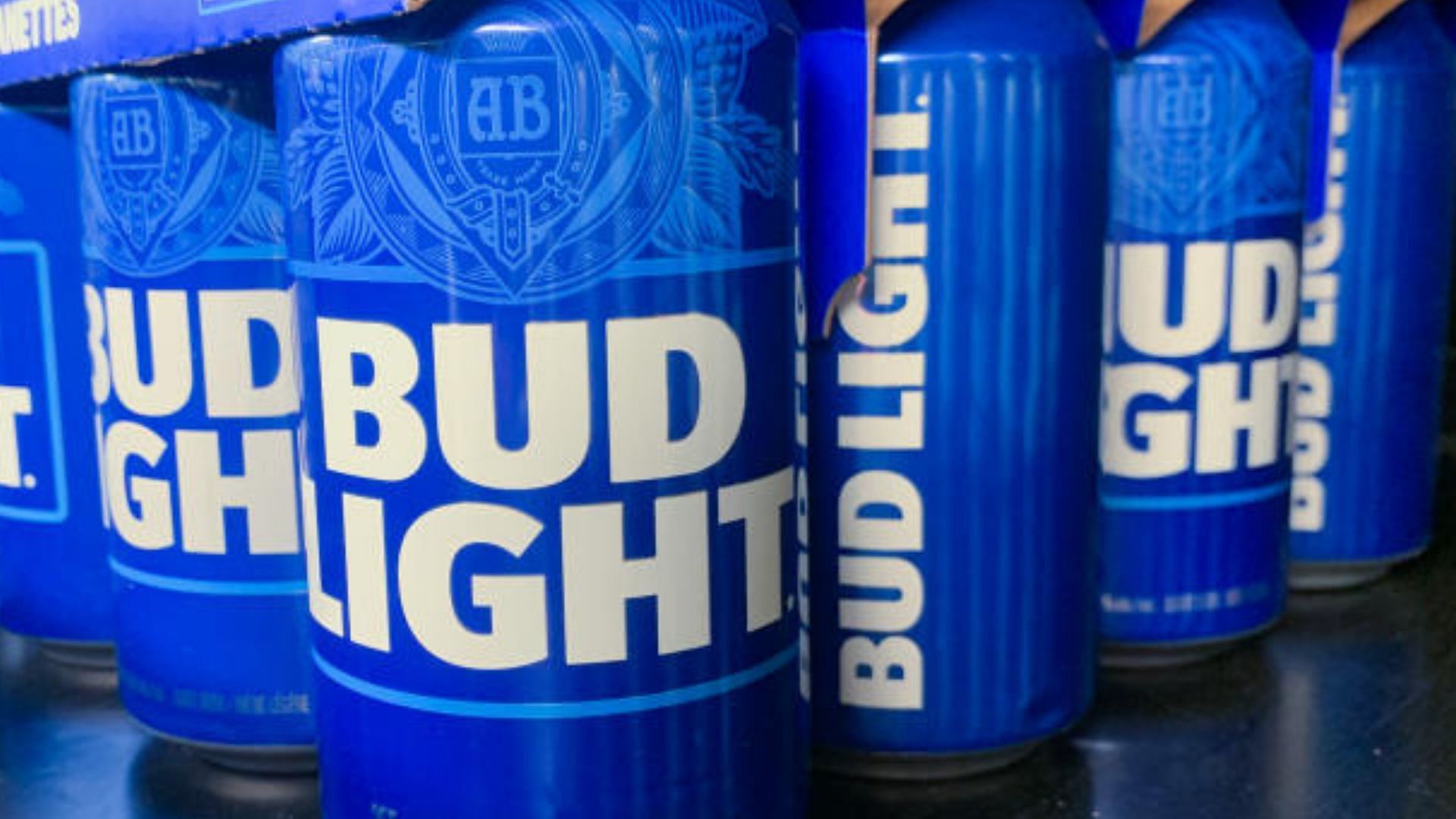
Specific data points underscore the magnitude of the decline. According to numbers provided to FOX Business by Bump Williams Consulting, which analyzed NielsenIQ data, Bud Light sales were down 29.9% year-over-year for the week ending January 20, 2024, when compared to the same period in the previous year.
The former executive highlighted the scale of the customer loss, noting, “I think that’s one of the most interesting parts about this story is that they lost 30% of their customers.” He added that this translated into “Millions of customers, billions of dollars of shareholder value over the last couple of years.”
Consequently, Bud Light has seen its once-dominant market position weakened, as it has reportedly been overtaken in sales volume by competitors like Michelob Ultra and Modelo Especial, indicating a notable shift in the competitive dynamics of the industry.
Product on Amazon: Bud Light Beer 25 Fl Oz Can, 4.2 % Abv, 25 Fl Oz
Brand: Bud Light
Binding: Wine Product Group: Wine
Price: 2.79 USD
Rating: 4.7 Total reviews: 538
Features:
1. One 25 fl oz can of Bud Light Beer
2. Premium light lager brewed in the USA
3. American beer with a fresh, clean taste and a refreshing, crisp finish
4. Made with a blend of premium aroma hop varieties, barley malts, rice and water
5. Brewed with hand selected hops that add the right amount of floral notes and bitterness
Shopping on Amazon >>
Read more about: The Retail Closure Conundrum: Unraveling Myths in a Changing Commercial Landscape

To regain its footing in the market, Bud Light has embarked on renewed advertising efforts, featuring campaigns with personalities such as Shane Gillis and Post Malone. Mr. Frericks noted that these commercials are “pretty good,” emphasizing that the choice of Shane Gillis provides a sharp contrast to the influencer involved in the earlier controversial partnership.
However, Mr. Frericks pointed to a deeper issue facing the brand. He articulated the dilemma Bud Light faces regarding its future identity and vision, stating, “Their customers are asking them, ‘hey, what is Bud Light going to be moving forward? Is it gonna be more than Shane Gillis and fun in football, or is it Dylan Mulvaney?’”
The former executive expressed doubt about the brand’s ability to fully regain its lost customer base without clear messaging on its future direction. He concluded, “Until the company really comes back and says clearly what Bud Light is going to be? I don’t know if any of their loyal customers are going to come back.
In addition to rethinking sales strategies, Anheuser-Busch is also revamping its raw material sourcing. Recently, the company announced the closure of its malt house in Moorhead, Minnesota, and plans to sell its grain elevators located in West Fargo and Sutton, North Dakota.

Supply Chain Shift: From In-House Malting to Third-Party Partnerships
This strategic adjustment is a result of an agreement with Rahr Malting Co. Under this arrangement, Rahr Malting will assume the full capacity of malt production previously handled at the Moorhead facility. New supplies of barley from North Dakota and Minnesota growers will be redirected to Rahr’s Shakopee, Minnesota, malt house beginning in 2025.
The company noted that it utilizes both internal malting capacity and third-party partners for its operations. Nicole Zaharadka, director of agronomy for Anheuser-Busch, issued a statement explaining the move as part of building “toward a strong future,” which involves updating malting operations and expanding a “decades-long relationship with Rahr, a trusted partner and leading malting company.
Anheuser-Busch maintains its commitment to its grower partners in the Midwest, including North Dakota and Minnesota. Ms. Zaharadka stated, “Anheuser-Busch purchases, on average, more than $50 million a year in barley from our 250+ grower partners across the Midwest, including North Dakota and Minnesota, which is more than any other brewer, and this will not change.” She added, “We remain committed to supporting our grower partners and will continue to source directly from them as we have for the past 165 years.”
Product on Amazon: Rahr Standard 2-Row Malt 10lb Milled for Brewing, Homebrewing, Distilling, Mashing
Brand: Rahr Malting Co.
Binding: Product Group: Grocery
Price: 27.49 USD
Package Information: Polypropylene plastic pouch
Number of Items: 1
Flavor: Malt, cracker, biscuit
Item Weight: 10 Pounds
Features:
1. Color: 1.5-2.0 °L
2. Protein Total: 11.5 ± 0.5
3. Moisture: 4.0 % Max
4. Extract FG Min: >80.0%
5. Mash Usage Rate: Up to 100%
Top Review from US: “Exactly as described and works great for converting starch, will buy again.
Shopping on Amazon >>

A company spokesperson confidently asserted that “the measures we’re implementing now will enhance our ability to better serve customers while simultaneously positioning us as a stronger company and industry leader.” The Moorhead facility, established in 1978, processes around 8 million bushels of barley each year, which translates to the production of approximately 2 billion beer bottles elsewhere.
This shift in barley sourcing comes about a year after farmers in the region who had contracted with Anheuser-Busch reported changes to their contract offers. Farmers indicated that subsequent contract proposals in early 2024 would have required them to store harvested barley for periods exceeding eight months before delivery.
Some farmers in response reportedly opted to contract their barley acres with other companies, including Constellation Brands, known for beers like Modelo and Corona. These changes in contracting practices followed industry reports of decreased demand for malting barley, driven by lower overall beer sales as consumer preferences have shifted towards alternative beverages such as seltzer, mixed drinks, and other liquors.
Compounding the issue, the beer industry faced a surplus of barley in early 2024. This oversupply was a consequence of particularly large and high-quality crops harvested in both 2022 and 2023, according to industry reports. The supply dynamics added pressure to the demand side challenges.

The broader impact on agricultural output is evident in national statistics. According to the U.S. Department of Agriculture’s National Ag Statistics Service, U.S. farmers harvested only 1.875 million acres of barley in 2024. This figure represents a sharp decline from the 2.574 million acres harvested in 2023.
Interestingly, the harvested acreage for barley in 2024 has reached its lowest level recorded by the USDA since they began keeping records in 1878. North Dakota, which was historically the second-largest barley producer in the U.S., has slipped to third place after Idaho, with only 285,000 acres harvested in 2024 compared to 570,000 in 2023 and 650,000 in 2022.
Regarding the employment implications at the Moorhead plant, an Anheuser-Busch spokesperson provided a statement. They acknowledged the significance of the announcement “for our people and communities.” The spokesperson stated, “we are committed to ensuring that this transition is as smooth as possible for our employees.”

Diversification Drive: The LA Brewery Expansion and RTD Revolution
While scaling back some operations, Anheuser-Busch is also making investments in growth areas. AB InBev is funding a $16 million expansion at its Los Angeles brewery, targeting the burgeoning “beyond beer” category. This investment aims to boost capacity for ready-to-drink canned cocktails like Cutwater and Nütrl vodka seltzer.
The expansion also includes upgrades to improve production capabilities for 25-ounce cans, a size for which consumer demand has reportedly increased. Additionally, the investment covers facility improvements focused on water conservation and reducing emissions, aligning with broader corporate sustainability goals.
Eric Gutierrez, the facility’s general manager, commented on the significance of the investment in a press release. He stated, “This is a pivotal moment for the Los Angeles brewery.” Mr. Gutierrez added, “These investments equip us with the unique opportunity to stay at the forefront of brewing excellence and innovate in new ways that meet consumer needs.”
The Los Angeles brewery, operating since 1954 and one of fourteen owned by Anheuser-Busch in California, represents a strategic investment amid the closures seen in other locations, showcasing how the company is navigating the changing landscape of the alcohol industry.
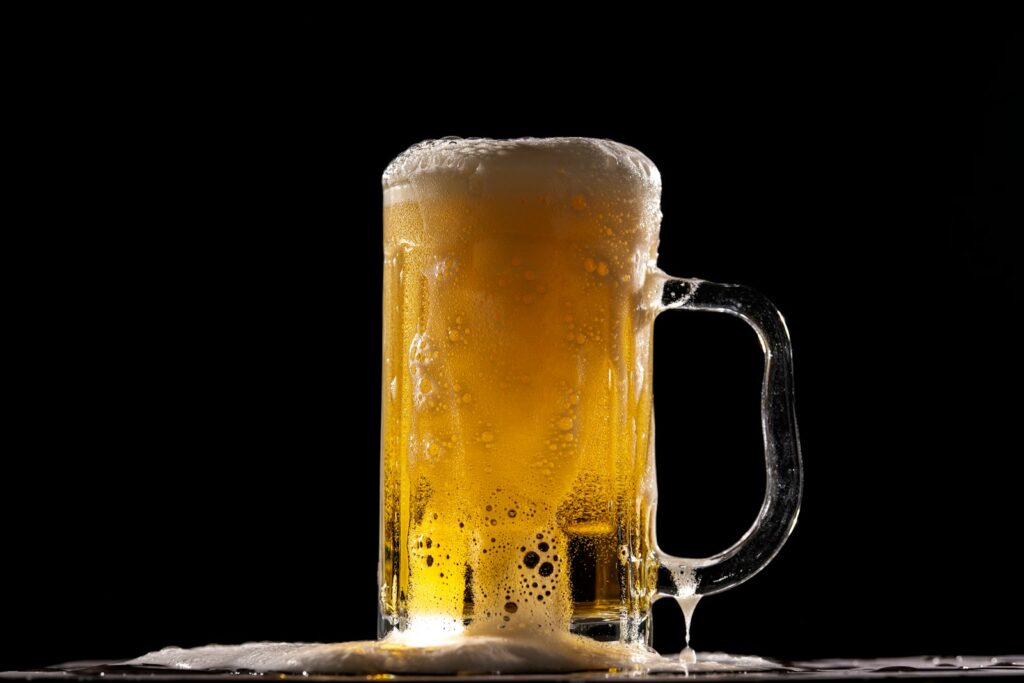
Anheuser-Busch’s journey underscores the delicate balance between legacy and innovation in an industry under siege. While the Bud Light brand struggles to recover, the company’s investments in new categories and sustainable brewing practices hint at a path forward. As AB InBev restructures its operations—closing outdated facilities while expanding in growth areas—it’s betting that strategic agility will allow it to weather short-term storms and emerge as a more diversified, resilient player in the global beverage market.
Related posts:
AB InBev to shutter Anheuser-Busch distribution facility
Anheuser-Busch forced to close iconic St. Louis brewery after Bud Light controversy?
Canada Halts Musk’s $43M Tesla EV Rebate Claim After Rapid-Fire Sales, Bans Future Subsidies