For years, Dollar Tree stood for simplicity with a consistent price tag of just one dollar, a principle that has defined the retailer since it opened in 1986.
This adherence to the $1 standard was a key draw for shoppers, including many in Texas and elsewhere who relied on the low cost to manage household budgets.
The first major change came in 2021 when Dollar Tree announced a minimum price increase to $1.25, a shift the company framed as a new business standard rather than a reaction to inflation, catching many loyal customers off guard.

After this initial shift, Dollar Tree began rolling out items priced above the new minimum of $1.25 under the ‘Dollar Tree Plus’ label, introducing products starting at around $3 and eventually adding items priced at $5.
Dollar Tree described the aim of these Dollar Tree Plus offerings as an effort to “provide customers with even greater deals” by diversifying product assortments. The company expanded the presence of these higher-priced items significantly, moving from their introduction in 100 locations in 2019 to over 1,500 by 2022. The plan is to add these items to more than 5,000 locations nationwide.
An earlier statement attributed to then-President and CEO Michael Witynski regarding testing prices above $1 noted, “We believe testing additional price points above $1 for Dollar Tree products will enable us over time to expand our assortments, introduce new products and meet more of our customers’ everyday needs.” The statement also included a commitment to value: “Our brand promise is that customers get great value for what they spend at Dollar Tree. We will continue to be fiercely protective of that promise, regardless of the price point.”
In June 2024, Dollar Tree reportedly set a price ceiling of $5 for items in its expanded multi-price assortment, but now the retailer has announced intentions to further increase prices.

During a fourth-quarter earnings call, CEO Rick Dreiling revealed ambitious plans, stating, ‘This year, across 3,000 stores, we expect to expand our multi-price assortment by over 300 items at price points ranging from $1.50 to $7.’
This new pricing strategy signifies a transformative shift for Dollar Tree, with reports indicating that the lowest price point will rise to $1.50 while the highest will reach $7, moving away from the previous $5 cap.
Specific instances of this price adjustment have already been observed. A social media user reportedly documented three essential items that saw their price increase from $1.25 to $1.50 this week: Idahoan potatoes, ramen, and bread and buns.
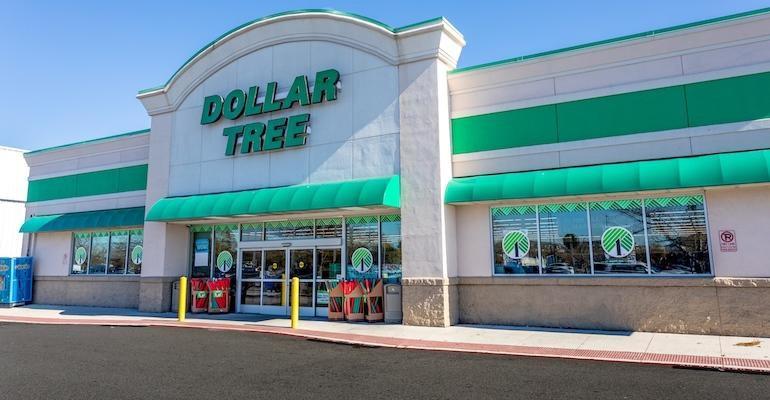
The user noted the increases started on Monday, as revealed on Friday. While the company has not officially confirmed why these specific items increased, their rise reflects the broader economic pressures on the retail industry.
Reactions online to these price hikes have been mixed, with some expressing disappointment, as one commenter noted, ‘You know we are in trouble when they raise the price of Ramen,’ while another indicated that they had already seen similar increases.
The exact timeframe for when the new $7 items will become widely available in stores is not yet known, and an official list of locations receiving these items has not been released. However, given the stated plan to expand the multi-price assortment across thousands of stores, these higher price points are expected to become more common.

The changes at Dollar Tree come amid a turbulent retail landscape influenced by inflation, which has altered consumer shopping habits and increased pressures on retailers to adapt their pricing models.
Competitors in the discount retail space are also navigating these conditions. Five Below, a chain often viewed as a competitor, is planning significant expansion, with an impressive 150 new stores set to open this year. The company recently reported a 9 percent surge in sales, indicating strong performance.
Five Below’s new CEO, Winie Park, outlined a vision to position the chain as a primary shopping destination for young customers and their families. Park indicated plans for stores to introduce a “trending” section featuring deals at $5 or less, alongside some items priced over that amount.
However, Five Below has also acknowledged facing potential challenges that could lead to price increases for its customers. The company imports a significant portion of its merchandise, with as much as 60 percent originating from China. Potential tariffs on these imports could necessitate passing higher costs onto consumers, who are already managing persistent inflation.
Five Below has already confirmed it will be raising some of its prices that are below $5, signaling that price adjustments are not limited to Dollar Tree within the discount sector.
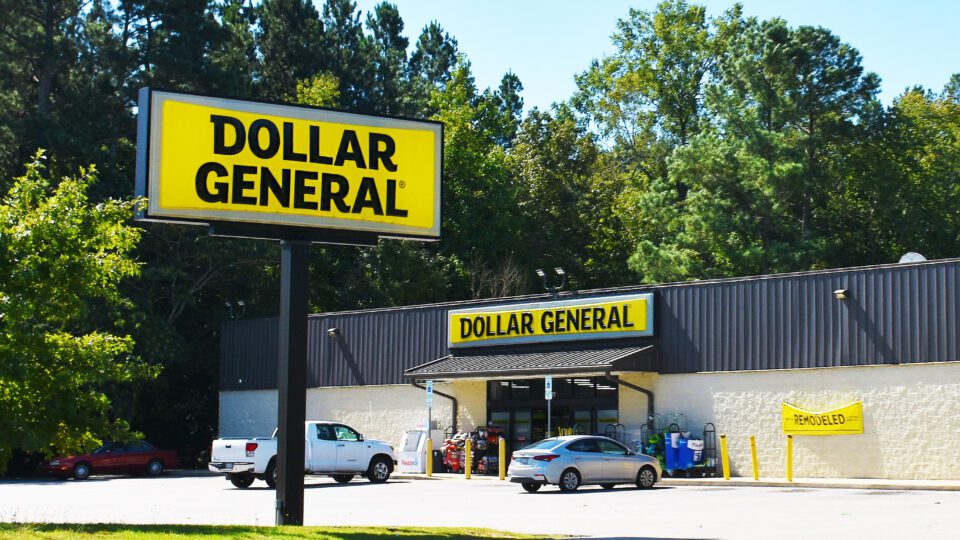
In contrast, Dollar General is also facing challenges, with plans to close nearly 100 stores along with 45 locations under its pOpshelf brand in the near future.
Dollar General CEO Todd Vasos commented on the economic strain on their customer base, stating, “Many of our customers report they only have enough money for basic essentials, with some noting that they have had to sacrifice even on the necessities,” linking these financial pressures to the decision to close stores.
The closures at Dollar General are part of a broader trend affecting physical retail. Experts anticipate a significant number of storefronts could shut down nationwide by the end of the year, potentially double the number that closed in the previous year. Numerous well-known chains have announced store closures recently amid evolving consumer preferences.

Amidst these shifts, some retailers are experiencing growth. Barnes & Noble, for example, is planning to open 60 new bookstores in 2025. The company attributes recent strong sales and expansion to a strategy involving local bookseller autonomy and a surge in reading popularity, partly influenced by online communities like #BookTok.
Dollar Tree’s expansion of its multi-price strategy to include items priced up to $7 marks a significant shift from its original one-dollar model; while the company strives to provide value, the evolving pricing reflects the broader economic context and adaptive strategies in the retail sector.
Related posts:
A Huge Price Increase is Coming to Texas Dollar Tree Stores
National discount store chain ‘cheaper than Dollar Tree’ to open 150 new locations
Louisiana Dollar Tree Locations Could See Prices Jump to $7