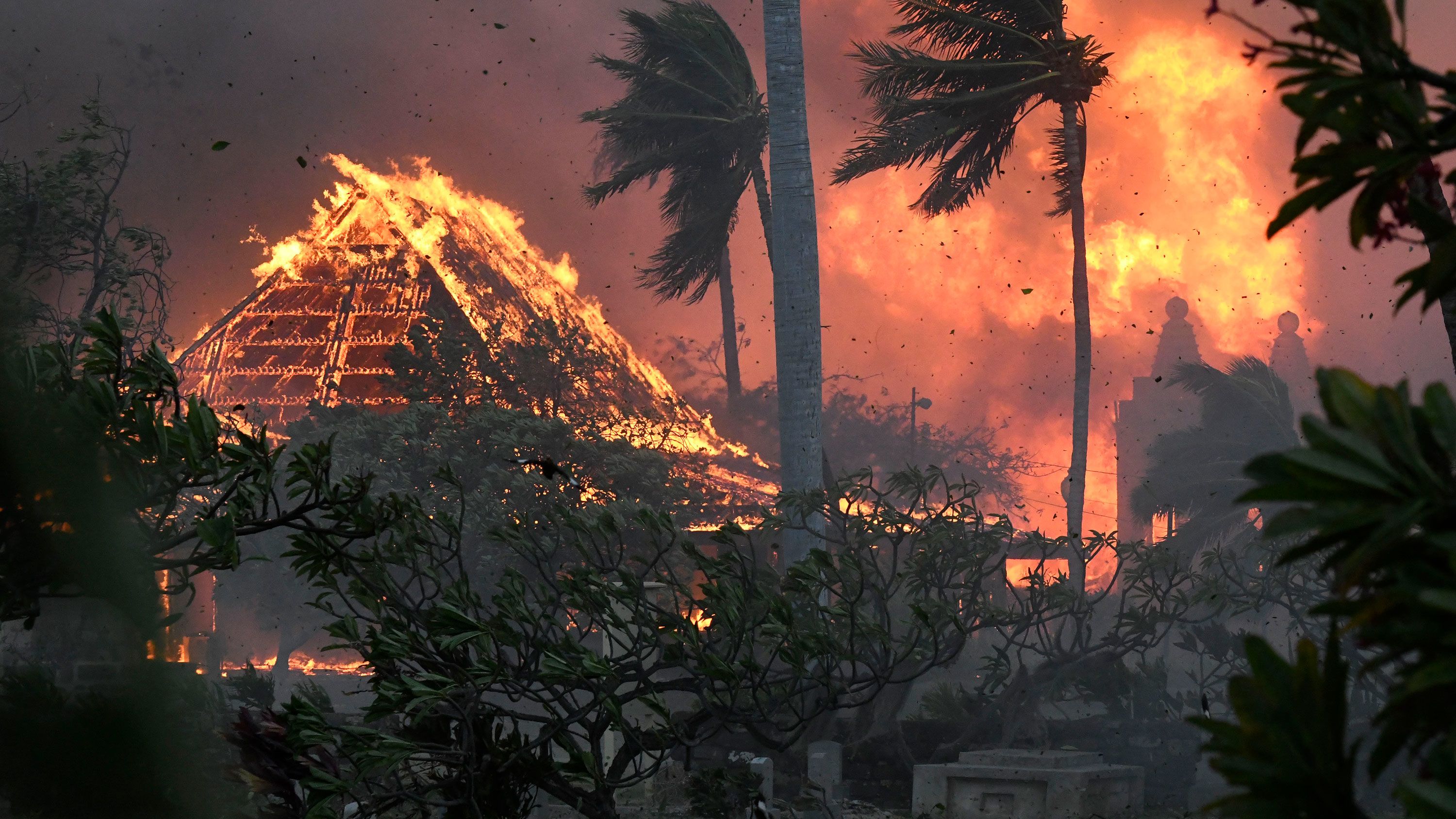
The catastrophic wildfires that ravaged Maui in August left a lasting impact, most notably turning the historic town of Lahaina into a desolate landscape and claiming more than a hundred lives. The devastating images of the destruction justifiably captured global attention, eliciting an overwhelming wave of grief and support for the affected communities. Yet as the initial shock begins to fade, another crisis is emerging on the island, directly tied to its economic lifeline, igniting a complex debate over the timing and manner of tourism’s return.
Tourism is the backbone of Maui’s economy, with approximately 200,000 jobs across Hawaii linked to this essential sector, generating over $19 billion in visitor spending statewide last year. Specifically for Maui, the visitor industry is even more significant, contributing to an astonishing 80 percent of the island’s total revenue, as reported by the Maui Economic Development Board. Following the fires, the urgent call was for tourists to evacuate, allowing the local community to concentrate on lifesaving and recovery efforts, and they responded en masse, leaving the island.
In the aftermath of the August 8th fire, Maui experienced a staggering 70% drop in visitor arrivals, dwindling to a mere 2,000 per day. This drastic decrease has triggered significant economic repercussions that extend far beyond the burn areas. Richie Olsten, a veteran in Maui’s helicopter tour industry, gauges the health of the tourism economy by the number of rental cars at the airport, noting a frightening decline that raises red flags about a potential “full-blown economic catastrophe.” His company, Air Maui Helicopters, which used to operate 25 to 30 flights daily, has now been reduced to just one or two, resulting in the painful layoff of seven out of twelve dispatchers.
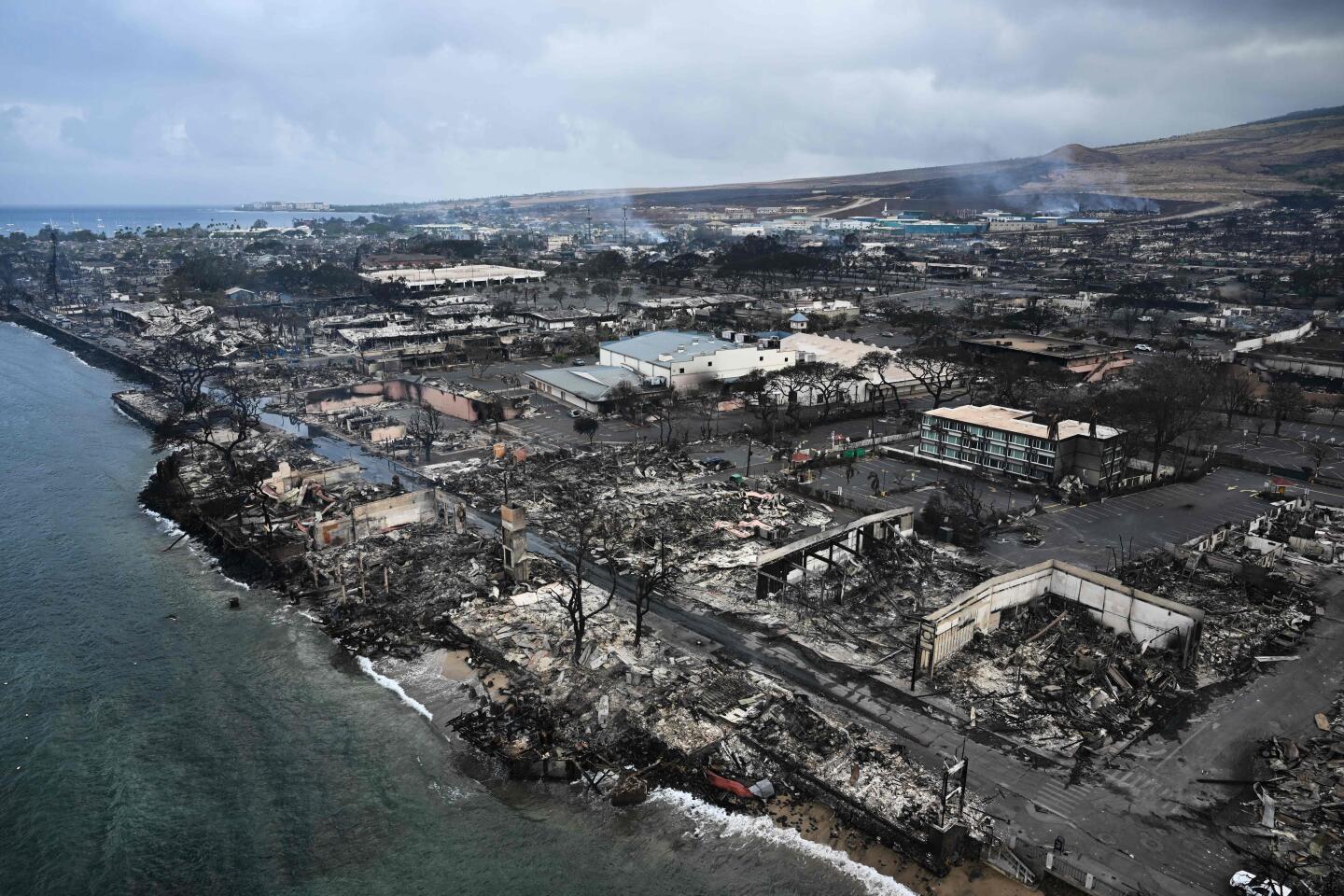
The trend of declining business and job losses is widespread across the island, affecting not only those directly impacted by the fires but also restaurants and tour companies located far from Lahaina. Maui’s unemployment rate, which was an impressively low 2.5% in July, is projected by University of Hawaii economists to soar as high as 10%. Nearly 8,000 individuals filed for unemployment in the three weeks post-fire, a stark contrast to the mere 295 filings during the same timeframe in 2022. Unlike the previous pandemic, current assistance programs like Paycheck Protection loans or enhanced unemployment benefits are unavailable for struggling businesses and their employees.
The economic turmoil is also impacting businesses that primarily serve local residents. Gemma Alvior, a clothing designer in Kahului, shares that her clientele is mostly comprised of locals, but she recognizes that even her business is vulnerable in an economy heavily reliant on tourism. She poses a poignant question: “If they don’t have a job, they’re getting laid off, how are they going to buy stuff?” adding, “What do they need to buy clothes for if they’re not working?” This illustrates how interconnected the island’s economy is, where a downturn in one sector can spell disaster for all.
Many local businesses are struggling to stay afloat. Graeme Swain, co-owner of the venerable Hali’imaile General Store, one of Maui’s most respected restaurants, laid off about 30 workers and temporarily closed after business shrank to just one-tenth of pre-fire levels. Swain described the sudden drop, saying, “It just fell off a cliff.” He made the difficult decision to cut staff to preserve cash and protect the long-term future of the restaurant, which was founded a century ago. He wants Hali’imaile to last decades more and describes his decision as a result of “a lot of soul-searching of what’s the right thing to do to protect that place.” Swain hopes to hire everyone back and aims to reopen soon.
The hotels on Maui, even those in unaffected areas like South Maui, are feeling the pinch. Mufi Hannemann, president of the Hawaii Lodging & Tourism Association, noted that even with many hotels housing federal aid workers and Lahaina residents who lost their homes, only half of the available hotel rooms are occupied. He described the situation plainly: it’s “pretty grim.”
The initial directive for tourists to refrain from visiting was broadcasted widely, not just by the Hawaii Tourism Authority but also by influential public figures. Jason Momoa, the renowned actor and Native Hawaiian, emerged as a key voice, urging his 17 million Instagram followers just days after the fire to “not travel to Maui.” Although this message aimed to give the community time to heal and redirect resources toward recovery efforts, it inadvertently led to a near-total halt in the island’s economic activity.
The message from officials has since evolved. “Maui’s not closed,” Mayor Richard Bissen recently stated. The consensus among state and county leaders is that while Lahaina and the surrounding West Maui area are off-limits – as Mayor Bissen put it, “It’s not a place to stare” – the rest of the island desperately needs tourists to return. “Respect the West, visit the rest,” has become a motto adopted by some, emphasizing that large portions of Maui were untouched by the fires and rely heavily on the visitor economy to support residents and fund recovery efforts.
Recognizing the urgent need for a shift in messaging, the Hawaii Tourism Authority has initiated measures to clarify the situation, including a map highlighting unaffected areas and a $2.6 million marketing effort encouraging responsible tourism. Airlines are responding with considerable discounts, and some resorts are slashing rates or offering complimentary nights to attract visitors back. This recalibration in strategy reflects mounting concerns that prolonged economic fallout could compound the human tragedy triggered by the wildfires.

However, the idea of tourists returning so soon is met with mixed feelings among residents. While business owners in unaffected areas plead for visitors, some residents, particularly those directly impacted or living near the burn zone, feel it is still too early. An individual who works in property management and at a Lahaina restaurant, whose family income is entirely dependent on tourists, nonetheless expressed that she doesn’t “think it’s an appropriate time to welcome tourism back into our area.” Cole Millington, a Lahaina resident who lost his home and business, was shocked to see tour boats operating snorkel tours near where bodies had been recovered just days earlier. He acknowledges it’s not the tourists’ fault but feels it “underscores a pathetic divide between people who live here and tourists who think Maui is Disneyland.” He pleads, “We ask that people give us time before we have to put on an aloha smile and be at your service.”
This tension creates a complex dilemma for travelers. Many have planned and saved for years for their Maui vacations and want to be respectful. They are searching for clarity, flooding online forums asking residents when and where it’s acceptable to visit. The debate is not simply about whether or not to visit, but how to do so compassionately and in a way that genuinely supports the community.
Dustin Tester, owner of Maui Surfer Girls, whose surf school and instructors were heavily impacted in Lahaina (seven lost homes, truck and boards incinerated), understands both sides. While her cabins at Olowalu Point survived, roadblocks prevent access, and instructors understandably want to help with recovery efforts rather than teach lessons. She doesn’t foresee reopening until Thanksgiving. Yet, she also observed tourists taking surf lessons in Kihei, on the island’s south side, just two days after the fires. She called it “greedy and insensitive” but immediately added, “but I get it. Surf schools have families and need to survive. This is high season.” This captures the difficult reality: while grief and trauma are pervasive, the need to earn a living is also urgent.
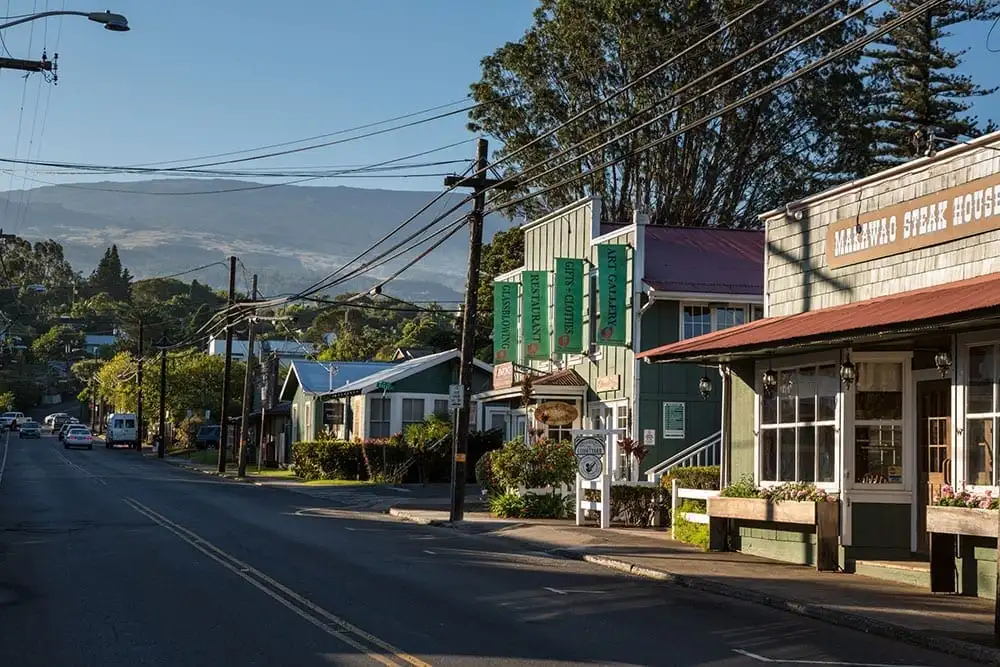
The economic urgency is perhaps most starkly articulated by Daniel Kalahiki, owner of the Like Poke food truck in Wailuku, an area untouched by the fires. He has seen his sales drop by half, and his wife’s beach apparel store in town has had days with no sales at all. Kalahiki took to Instagram, arguing that messages telling tourists to stay away are misguided. He stated unequivocally, “Lahaina’s closed. We grieve for them, we cry for them, we do everything we can for them, and it will never, ever be okay or be the same.” He emphasized that only residents or those involved in rebuilding should be in Lahaina. But, he stressed, “we still need the rest of the island to be open so we can continue to live.”
Kalahiki emphasized the necessity of tourism for areas still open and in need of visitors, stating, “Kihei, Wailea, open. Wailuku, Kahului, open. Paia, Haiku, open. Hana, open. All of those places are still open.” He argued that many local businesses, including his own, rely on at least some tourism, despite being primarily oriented towards locals. He expressed his fears about the financial repercussions of discouraging tourism, specifically calling out public figures who encouraged trip cancellations, labeling their actions as irresponsible. Addressing Jason Momoa, he remarked, “Have fun on your late-night shows throwing spears with your buddies, but what’re you guys going to do for us now?”
Kalahiki’s heartfelt plea illustrates the urgency of the situation: “We all still need to pay our bills so that we can contribute to helping the people in Lahaina and Kula that have lost everything. We still need to survive.” His anxiety is palpable, as he fears that losing his home to the bank would be “the worst day of my life” as a result of Maui being deemed ‘closed.’ This statement underscores the critical importance of the economic health of the unaffected island areas in supporting recovery efforts in the devastated regions.
State authorities acknowledge the severe economic impact, with Governor Josh Green noting that the disaster has prompted a downward revision of the state’s 2023 economic growth forecast from 1.8% to 1.1%. For the following year, the revised expectation is 1.5% growth, down from 2%. Carl Bonham, an economics professor at the University of Hawaii at Manoa, estimates that the fires could reduce state tax revenues by $250 million this fiscal year. However, both he and the governor express cautious optimism, as Bonham is “encouraged” by plans to reopen West Maui, and Governor Green anticipates that most of West Maui, excluding the areas that suffered fire damage, which holds half of Maui’s hotel rooms (11,000), will be ready to reopen by October 8th. Bonham foresees that discounted airfares and marketing strategies should help restore travel to areas outside West Maui to pre-fire levels by Thanksgiving.
Related posts:
Maui beckons tourists, and their dollars, to stave off economic disaster after wildfires
After Maui Wildfires, Will Tourism Help or Hurt?
How Chefs And Local Restaurants Are Supporting Hawaiin Fire Survivors With Free Food & Donations