While many envision a cruise ship job as a never-ending vacation filled with beautiful sunsets and simple tasks, the reality is far more demanding and complex. Life onboard is driven by relentless service expectations, and the challenging schedules, paired with surprising pay structures, can catch newcomers off guard when they return to normal life on land.
Consider a bartender job, which seems social and fun. Pouring drinks chatting guests sounds alright yes? Someone who was a bartender shared a different daily reality. Shifts stretched ten to twelve hours, this happened always. And get this: it was a seven-day work week. No days off, unless quarantine happened from sickness. Imagine working ten to twelve hours, every day for six months.
Hours on a cruise ship can accumulate quickly, with bartenders reporting never working less than sixty hours a week, making overtime the norm rather than the exception. For those on US-flagged ships, adhering to US Coast Guard regulations means earning Hawaii’s state minimum wage plus overtime pay, a crucial factor affecting income for those working on these vessels.
So, how does all this hard work translate into actual earnings? After taxes, bartenders typically take home between $2,500 and $2,800 bi-weekly, which includes shared gratuities among the bar team. While this sum might initially appear attractive, when divided by the many hours worked—often exceeding sixty each week—the resultant hourly wage can be surprisingly disheartening, especially in light of the job’s intensity and the personal time sacrificed.

Tipping is vital yet sort of unpredictable for crew. Automatic gratuities add onto drinks, like 20% plus tax. Cash tips also played a part, but felt less common. At the pool bar, cash tips averaged $100 to $200 weekly per person. Embarkation day and the final cruise night were best times.
Tips fluctuate significantly depending on the sailing; for instance, during the summer season, families tend to order soft drinks instead of adult beverages, resulting in lower tips. However, the occasional generous passenger—a former crew member, for example—may tip $20 for each margarita, and when they order four to six a day, it can feel like hitting the jackpot for the bartender.
The tipping culture can be somewhat murky for crew members; they often have no way of knowing if guests have prepaid tips. While room cards can indicate drink packages, access to detailed passenger information is limited. Most fare structures include gratuities that are split between bar and restaurant staff, leading to a situation where infrequent cash tips become especially valuable.

Working a US ship verses international felt very different. Based on talking to others, the difference seemed stark. Crew on international ships make much less basic pay. The bartender felt fortunate to be on a US vessel.
You’ve now got a glimpse of the grind—long hours, challenging paychecks, and the intricacies of tipping. Despite the demanding nature of cruise ship life, there’s a lot more to the experience than just the physical and financial pressures; it’s a unique world filled with unexpected perks that can entice individuals to stay for years, forging strong bonds amidst the chaos.
One of the less discussed pressures, especially on a US-flagged ship like the one the bartender was on, involves strict regulations. You might think off-duty time is totally yours, right? Not quite. On this particular vessel, tied to US Coast Guard employment guidelines, there was a constant readiness requirement. This included being randomly breathalyzed at any moment. The rule was pretty clear, and pretty harsh: blow a .04 or above at any given time on the ship, whether you were on the clock working hard or chilling at the crew bar after your shift, and you’d be fired on the spot and kicked off at the very next port. Imagine living with that hanging over your head, every single day for months. It adds a whole layer of stress to the already exhausting schedule, knowing a single lapse in judgment, even in your downtime, could end your contract and leave you stranded.
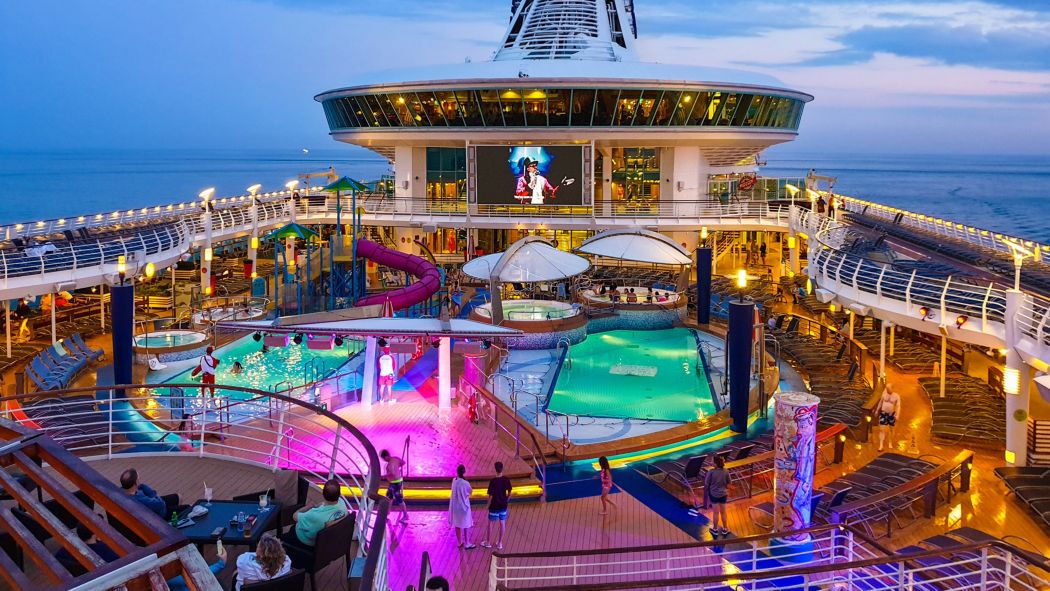
But despite the tough schedule and the lurking rules, there’s a silver lining that many crew members chase: the ability to save money. The bartender, for all the long hours, actually found it was a great way to save quickly. Why? Because onboard, your expenses are minimal. You’re not paying rent, not paying utility bills, and generally, your food is covered. Think about that for a second. Most of the major costs of living on land are simply gone. This creates a situation where, even with a wage that might seem low compared to land-based counterparts, a significant portion of your paycheck is disposable or, more accurately, savable.
As the bartender put it, she was typically so busy that she didn’t even have much time to spend her earnings. Your world shrinks to the ship, your work, and brief moments off. This intense focus, coupled with the lack of typical bills, means money accumulates rapidly. It wasn’t just theory; the bartender managed to save enough money during her six-month contract to treat herself to a weeklong stay in Maui *after* leaving the ship and still had enough savings to last her more than six months on land. That’s a powerful outcome for half a year of non-stop work.
This brings us to the ‘beyond the paycheck’ aspect. While the wages themselves might not always match land equivalents, the included benefits fundamentally change the financial equation. For many roles, not just bartenders, free accommodation and food are standard. This immediately eliminates huge chunks of monthly expenses. For some positions, like doctors, the perks are even more substantial. They get free healthcare insurance, free travel to and from the ship at the start and end of their contracts, and even free housekeeping. And for doctors specifically, they enjoy officer accommodations, which are described as some of the nicest crew cabins on the ship, and unlike many other crew members, they typically don’t share rooms. The only potential expense mentioned for crew is WiFi access, though free internet cafes might be available.
The discrepancies in pay and perks among various roles onboard can be striking. For example, a snack attendant on a Royal Caribbean ship might earn a base salary as low as $1,012 per month for a 34-week contract—totaling around $8,000—but the cost-saving advantage of included room and board is often cited as a reason many find it worthwhile. In contrast, medical staff, which is mandatory on ships catering to over 100 passengers, face different challenges altogether as they navigate emergencies in a crowded floating city.
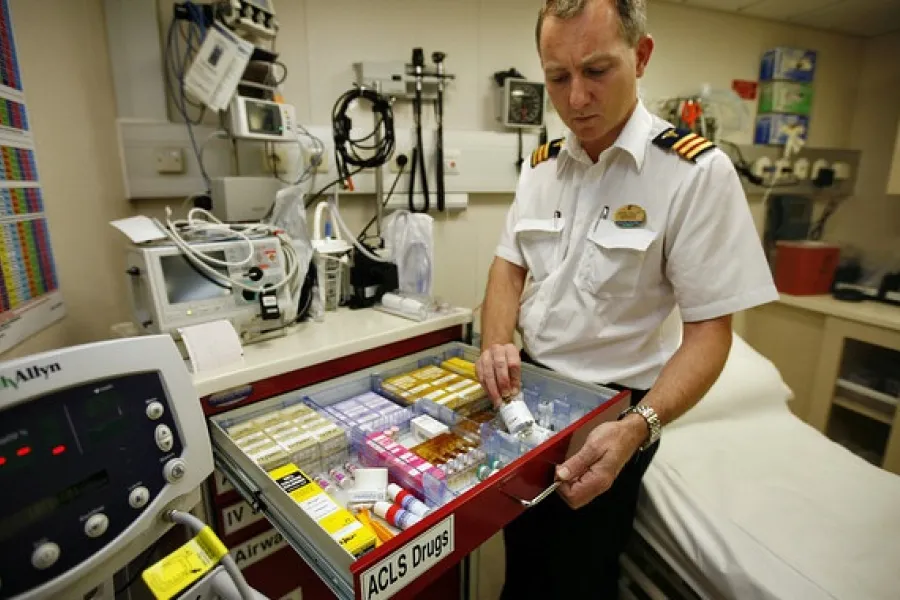
Cruise ship doctors are typically emergency care veterans, needing skills in primary care, diagnosis, emergency care, anesthetic, and minor surgery. Family lines also need pediatric certification. They have to be ready for anything from a dental infection or removing glass from a wound to stabilizing a patient during a cardiac arrest and preparing them for an airlift. It’s high-stakes, remote medicine. There are usually two levels: junior doctors making $7,500 to $10,000 monthly (averaging $8,500) and senior doctors earning $10,000 to $15,000 monthly (averaging $12,000). Contracts are usually four months, with the possibility of doing two per year, totaling eight months of work and four months of vacation. Eight months of work at a senior doctor’s average pay ($12,000/month) equals about $96,000 annually. While this is significantly less than the average $343,300 per year an emergency physician makes on land in the US, the cruise ship doctor still gets those valuable perks: free housing (their own cabin!), free food, free healthcare, and travel paid for.
Being a cruise ship doctor is no small feat; these professionals work seven days a week throughout their contracts, occasionally enjoying some time off but remaining on-call for emergencies. Their days typically involve running two open-door clinics, handling both passenger and crew needs, as well as attending to rounds, reports, and correspondence. While the responsibilities can be immense, particularly during crises at sea, the lifestyle attracts many, and opportunities for shore leave can occasionally provide a taste of adventure when another doctor is available to cover.
Landing a job as a cruise ship doctor is highly competitive, with limited positions available on each ship, and openings are rare. Typically, candidates need a minimum of three years of emergency care experience, alongside surgical, diagnostic, trauma, and anesthesia skills for senior roles. Persistence is crucial; reaching out to cruise lines, even for unadvertised roles, might lead to being kept on file for future opportunities. Though the process can take years, it remains a feasible pathway for seasoned medical professionals eager to explore the globe while working.
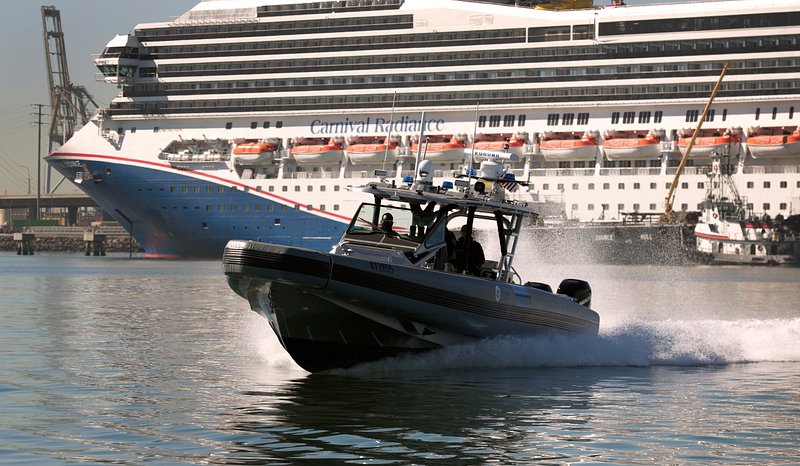
The diversity of roles and experiences onboard underscores the complexity of the cruise ship ecosystem. From bartenders laboring over 60 hours a week and relying heavily on tips, to snack attendants with seemingly low salaries but zero living expenses, to doctors enjoying solid salaries with significant responsibilities—everyone has their own story to tell. This environment challenges traditional notions of work-life balance and expenses, creating a space where intense work periods are balanced by the allure of travel and the chance to save significantly, all while enjoying life one port at a time.
Related posts:
Cruise bartender shares how much she makes working on a ship
Cruise Ship Doctors: Salary, Benefits & How To Get A Job
Uniworld: Why it’s the best river cruise line in the world